NATO Intercepts Russian Bombers Over Baltic Sea Amid Rising Tensions
NATO jets, including French Rafales, intercepted Russian bombers over Baltic Sea, highlighting increased military activity affecting UK and EU security interests.
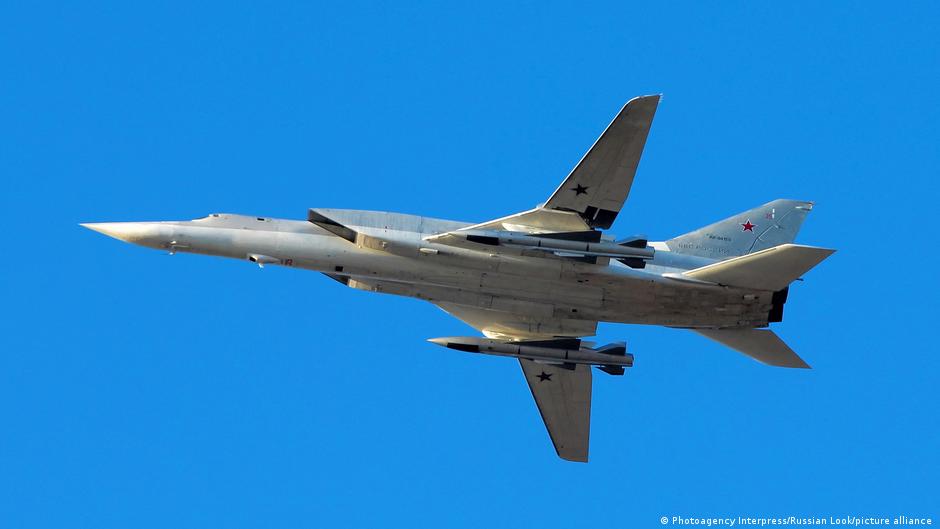
On April 20, NATO forces intercepted a group of Russian bombers and fighter jets flying over the Baltic Sea, underscoring escalating military maneuvers in a sensitive European region. The Russian Ministry of Defence characterized the flight as a planned operation over neutral waters.
Heightened Military Activity in the Baltic Region
NATO's interception involved French Rafale fighter jets alongside aircraft from Sweden, Finland, Poland, Denmark, and Romania. These allied forces escorted Russian strategic bombers, including supersonic missile-carrying Tu-22M3 bombers and Su-30 and Su-35 fighter jets, in what has been described as a significant show of force over the Baltic Sea.
"At certain stages of the route, the strategic bombers were accompanied by fighters from foreign states," noted the Russian Defence Ministry regarding the four-hour mission.
To support the larger strategic bombers, Russia deployed two Tu-22M3 planes along with approximately ten Su-30 and Su-35 fighters on rotation. The sortie was observed firsthand by journalists as French Rafale pilots took off from the Lithuanian airbase in Šiauliai, a key NATO outpost near Russia's borders.
The Russian Ministry of Defence reaffirmed that the flight adhered to international regulations, emphasizing the operation was conducted over neutral Baltic waters.
Implications for UK and European Security
This incident highlights growing military pressure in the Baltic region, directly impacting the security environment for both British and EU interests. The UK's strategic ties with NATO and its presence in European defense make such developments particularly salient for London-based markets and policymakers.
According to Lithuania’s Ministry of Defence, NATO pilots scrambled four times between April 13 and 19 to intercept Russian aircraft violating flight rules. These violations included disabling transponders, flying without submitted flight plans, and failing to maintain communication with air traffic controllers — actions that compromise regional airspace safety and stability.
From a financial perspective, heightened tensions and increased Russian military activity near NATO airspace can influence sterling and European markets, reflecting investor concern over geopolitical risks. London’s markets have historically responded to such security developments with cautious volatility, underscoring the interconnectedness of defense and economic stability.
As NATO bolsters its air policing in the Baltic states, the UK’s role in collective European security remains crucial. Continued vigilance will be required to address and mitigate any potential escalation that could affect broader UK-EU cooperation, defense readiness, and economic resilience.