Lufthansa to Cancel 20,000 Flights to Cut Fuel Costs Amid Energy Crisis Impacting UK and EU Markets
The German airline’s large-scale flight cancellations reflect rising aviation fuel prices and could influence London’s aviation and sterling markets.
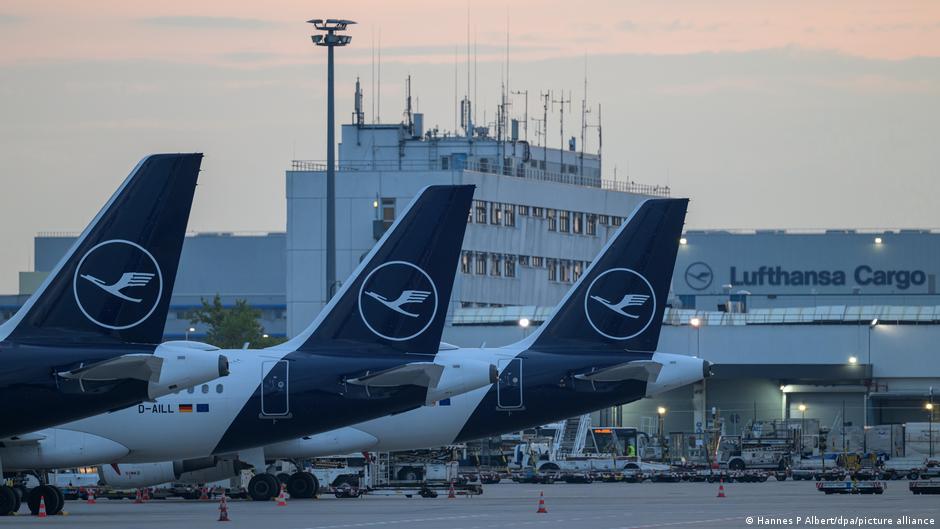
Lufthansa, Europe’s largest airline, has announced plans to cancel 20,000 flights between June and October 2026 as part of a strategy to reduce aviation fuel consumption amid the ongoing energy crisis sparked by geopolitical tensions in the Middle East. The airline aims to save over 40,000 tonnes of jet fuel through these cuts, a move that is already affecting flights scheduled before the end of May.
Implications for UK and European Aviation Markets
The decision comes amid a surge in fuel costs linked to the conflict involving the US, Israel, and Iran, which is impacting energy markets globally, including the UK and European Union. Lufthansa projects that the fuel-saving measures will reduce its available seat-kilometres – a key efficiency metric in the airline industry – by less than one percentage point. The airline plans to achieve this by eliminating less profitable short-haul routes from its German hubs in Frankfurt and Munich, while expanding services from other European hubs such as Zurich, Vienna, and Brussels. The Italian hub in Rome will also be affected.
“The cancellations will enable Lufthansa to cut fuel consumption by over 40,000 tonnes while maintaining operational efficiency,” stated company representatives.
For British aviation interests, Lufthansa’s cutbacks on flights from Frankfurt, a major connecting hub for flights to the UK, may disrupt passenger flows and freight services routed via Germany. London’s airports, notably Heathrow, could see indirect effects as passengers seek alternative connections or postpone travel, potentially impacting sterling through shifts in travel demand and business confidence.
Moreover, further adjustments to Lufthansa’s fleet underline the pressure on airlines across Europe. The airline has accelerated the retirement of all 27 Canadair CRJ regional jets operated by its CityLine subsidiary, citing increased kerosene costs and labor challenges. Additionally, Lufthansa will phase out four Airbus A340-600 and two Boeing 747-400 aircraft by October, which could affect long-haul connectivity between the UK, Europe, and other global markets.
Other European carriers are navigating similar difficulties. SAS Scandinavian Airlines is canceling about 1,000 flights in April, and Air France-KLM has introduced a €100 surcharge on some long-haul tickets, highlighting an industry-wide challenge. Moldovan carrier FlyOne has also announced flight cancellations due to fuel supply concerns.
Financial markets in London reacted cautiously to Lufthansa’s announcement, reflecting concerns about the broader impact of fuel price volatility on airline profitability and investment sentiment. Sterling’s exchange rate and aviation stocks are likely to remain sensitive to developments in the energy supply situation and regulatory responses from the European Commission.
Speaking ahead of the European Commission’s planned energy crisis response on 22 April, Lufthansa’s measures illustrate the tangible consequences of geopolitical instability on European transport infrastructure and economic ties.