Uzbekistan Accelerates Asakabank Privatization: Implications for UK and EU Investors
Uzbek government advances Asakabank privatization with measures that could impact sterling and London financial markets.
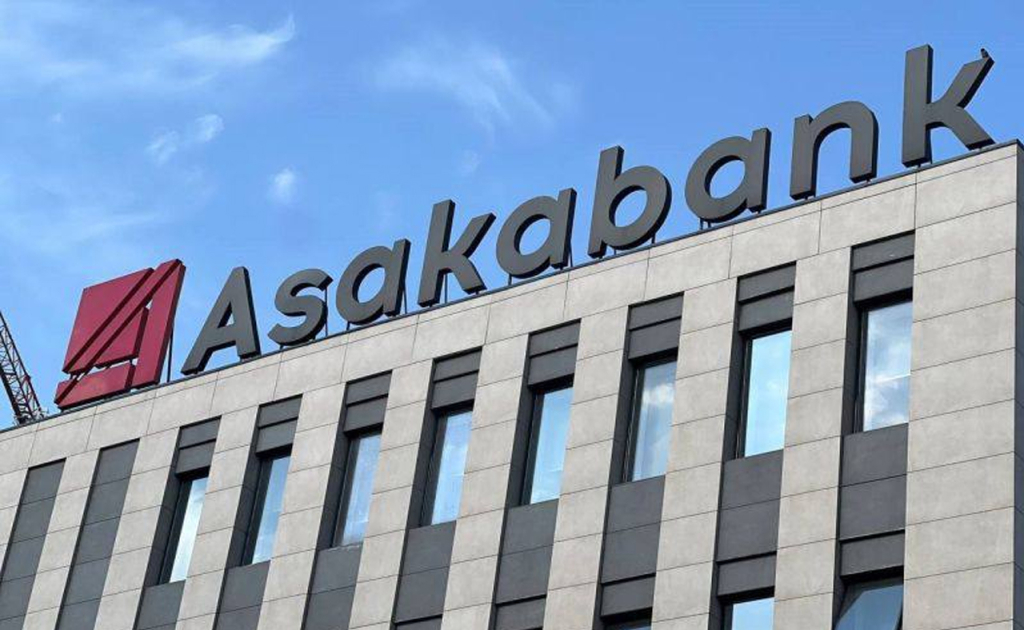
Uzbekistan has announced accelerated measures to privatize Asakabank, the country's second-largest bank, signaling strategic shifts that may influence British and European investors engaged in the region. The presidential decree PQ–149, dated April 20, 2026, outlines a series of reforms aimed at streamlining bank operations and facilitating a market-driven transition ahead of the expected share sale.
Privatization Drive and Asset Restructuring
The decree mandates that Asakabank should cease all non-core and additional activities, focusing exclusively on its primary banking functions governed by internal policies aligned with modern risk management and commercial principles. Notably, the bank will transfer ownership of assets such as the former Tashkent Agricultural Machinery Plant to the State Asset Management Agency, with compensation anticipated from the privatization proceeds.
Investment projects valued at approximately 382.6 billion Uzbek soms, including stakes in enterprises like Green Energy, Uz CLAAS Agro, and Khorezm Invest Project, will also be handed over to the agency on privatization terms. Furthermore, pharmaceutical start-ups Asaka Farm Ventures and Asaka Farm Invest, slated for 780 billion soms in funding, will transition to the national venture fund UzVC, receiving state budget support.
"All banking operations will adhere strictly to market principles and modern risk management frameworks," the decree states, underscoring the government's commitment to a transparent privatization process.
To support financial stabilization, the government plans a capital injection of $95 million in 2026 and will cover potential losses from non-performing loans. Dividend payments will be suspended through 2025, with net profits entirely reinvested to strengthen the bank's balance sheet.
Privatization Timeline and European Bank Partnership
Originally set for completion by the end of 2023, Asakabank's privatization deadline was postponed to late 2025. This extension aligns with a broader governmental fiscal strategy, which anticipates privatizing several state-owned banks over a staggered timeline extending through 2027. The government has already signed an agreement with the European Bank for Reconstruction and Development (EBRD) to prepare for Asakabank's privatization. As part of this partnership, EBRD acquired a 15% stake in the bank and is expected to join the shareholder structure in 2026.
This development holds notable significance for UK and EU investors, given London's role as a major financial hub for the Central Asian market. The involvement of EBRD, based in London, serves as a confidence signal that could encourage further European investment and influence sterling trading, especially in emerging market-linked financial products.
Implications for British and European Markets
The privatization of Asakabank presents a unique opportunity for British and European investors seeking exposure to Uzbekistan's expanding banking sector. The government's commitment to enhancing transparency and aligning operations with international standards may attract foreign direct investment and portfolio flows through London-listed funds.
Moreover, the restructuring and asset transfer measures reduce risk profiles, potentially leading to improved credit ratings and facilitating access to international capital markets. This could translate into increased demand for sterling-denominated instruments linked to Central Asia and enhanced liquidity in UK-based emerging market ETFs.
Analysts note that the government’s approach to managing non-performing loans and capital reinforcement through state support reduces downside risks, which is favorable for international investors. The partnership with EBRD also signals a move towards integration with European financial norms, fostering greater cross-border cooperation.
In summary, Uzbekistan's accelerated privatization of Asakabank is a pivotal development that aligns with broader economic reforms and market liberalization. For UK and European stakeholders, it offers promising investment prospects while potentially influencing sterling valuations and London’s financial market activity related to Central Asian assets.