Immediate Reopening of Strait of Hormuz Following US-Iran Peace Memorandum Signed
Strait of Hormuz to reopen immediately as US lifts blockade on Iranian ports, impacting UK and EU energy markets and sterling value.
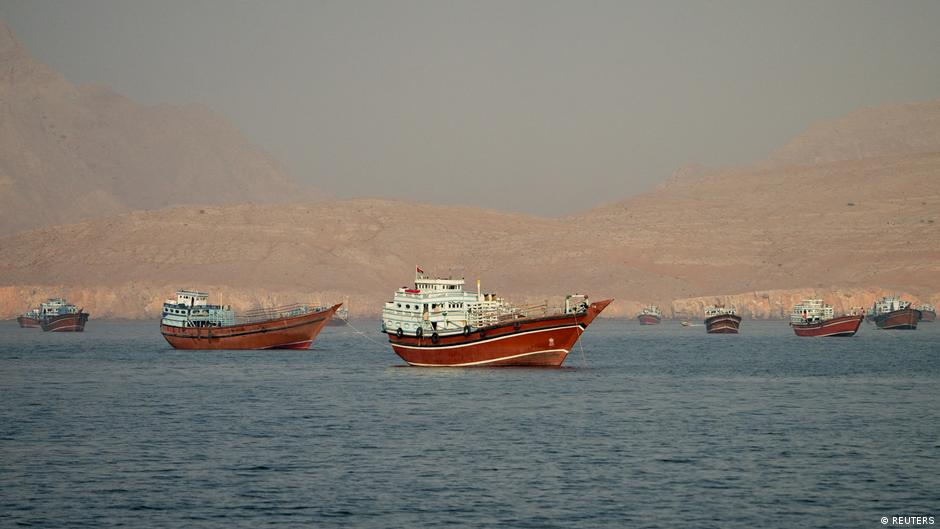
The Strait of Hormuz, a critical chokepoint for global oil shipping, will be reopened immediately following the signing of a peace memorandum between the United States and Iran, Pakistan's Prime Minister Shahbaz Sharif announced on June 18. The memorandum, signed digitally on June 17 by US President Donald Trump and Iranian President Masud Pezeshkian, also includes a US commitment to lift its blockade on Iranian ports.
Implications for UK and European Markets
For the UK and the European Union, this development is particularly significant. The Strait of Hormuz is a vital artery for oil supplies that feed into global energy markets, including London’s oil trading hub and the broader European energy supply chain. The reopening will likely ease energy market volatility, potentially stabilising oil prices and alleviating inflationary pressures fuelled by energy costs.
British businesses and financial markets are closely monitoring the situation. The recent blockade had contributed to increased oil prices and uncertainty, affecting sterling's performance against major currencies. With tensions de-escalated, sterling could see a positive impact as market confidence improves.
"The immediate reopening of the Strait of Hormuz marks a critical step in restoring stability to global energy markets," said a market analyst in London. "This is expected to benefit the UK economy and reduce upward pressure on inflation driven by energy costs."
The memorandum further stipulates that within 60 days, terms for a comprehensive peace treaty between the US and Iran will be negotiated, potentially leading to a sustained reduction in geopolitical risk in the region. Pakistan intends to hold a formal signing ceremony on June 19 in Switzerland, with facilitation from Qatar, underscoring the international dimension of the peace process.
For European businesses reliant on oil imports, easing of tensions in the Middle East is welcome news. The European Union has been actively seeking to diversify energy sources and reduce dependency on volatile regions, but the Strait of Hormuz remains a key strategic passage.
This breakthrough could encourage renewed investment and trade activity between European companies and Middle Eastern partners, while London’s role as a global financial centre positions it to capitalise on stabilised commodity markets. It also signals a potential shift toward diplomatic resolutions that may reduce disruptions to global trade routes critical to British and European interests.