Iran's Mining of Tanker in Strait of Hormuz Raises Alarms for UK and EU Oil Markets
Iran's Revolutionary Guard Corps threatens to block unapproved vessels in Strait of Hormuz, impacting oil flow and London market sentiment.
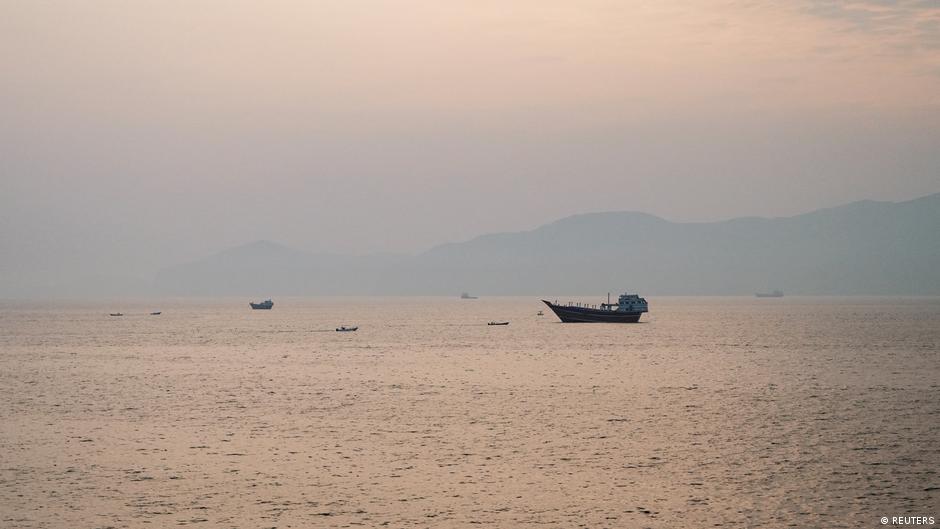
The Iranian Revolutionary Guard Corps (IRGC) has announced it mined a tanker navigating the Strait of Hormuz without Tehran's approval, signaling continued threats to oil shipments critical to global energy supplies. This escalation has prompted concerns among British and European businesses reliant on steady crude oil flows and has sent ripples through London’s energy markets.
Strait of Hormuz Incident and Strategic Implications
Reports indicate that three oil tankers attempted to traverse a mined route in the Strait of Hormuz under what the IRGC describes as "American army influence." A sudden explosion and fire on one tanker forced the other two vessels to retreat. The IRGC has vowed to maintain maritime blockades in the region until perceived U.S. hostilities cease, warning that all ships crossing without Iranian consent will face similar consequences.
"Any vessel attempting to cross the Strait without coordination with Iran will meet the fate of the mined tanker," stated the IRGC press release.
Among the affected vessels is the Kavomaleas tanker, owned by Greek shipping magnate Georgios Prokopiou. Satellite imagery analyzed by the European Space Agency shows the tanker being towed into Iranian territorial waters near Larek Island after suffering a machine room fire caused by two missile strikes. The Kavomaleas was reportedly en route from Oman towards the Persian Gulf, carrying over 500,000 barrels of oil.
Financial Times reports suggest the tanker was likely seized by Iran following the attack. The incident marks the third known vessel seizure by Iranian forces during ongoing regional tensions, further disrupting vital shipping lanes.
Dynacom, the owning company, has denied authorizing the ship’s movements and is investigating its current status. This ambiguity over control adds complexity for insurers and traders operating in London and European oil markets.
Impact on UK and EU Energy Interests
The Strait of Hormuz remains a critical chokepoint through which approximately 20% of global petroleum passes, with significant volumes destined for Europe and the UK. Any disruption in this corridor risks driving up crude prices and exacerbating energy security concerns, especially in the wake of recent supply chain volatility.
London’s energy trading hubs have reacted with increased volatility following news of the attack and potential tanker seizure. European refiners and importers dependent on Gulf crude are closely monitoring developments, as prolonged instability may force strategic stockpiling or alternative sourcing strategies.
Industry analysts caution that escalating tensions could strain diplomatic relations between Iran, Western nations, and Gulf allies, complicating efforts to stabilize oil markets. With the IRGC's explicit warnings, maritime insurance premiums for vessels operating in the region are expected to rise, increasing operational costs for European shipping firms.
As the situation unfolds, UK and EU policymakers will need to balance diplomatic engagement with strategic contingency planning to protect critical energy supplies and market stability.