Putin Backs Use of Medically Unfit Volunteers in Drone Defence Roles
The Kremlin’s manpower signal comes as European investors watch Russia’s war economy, sanctions risk and sterling-sensitive defence stocks.
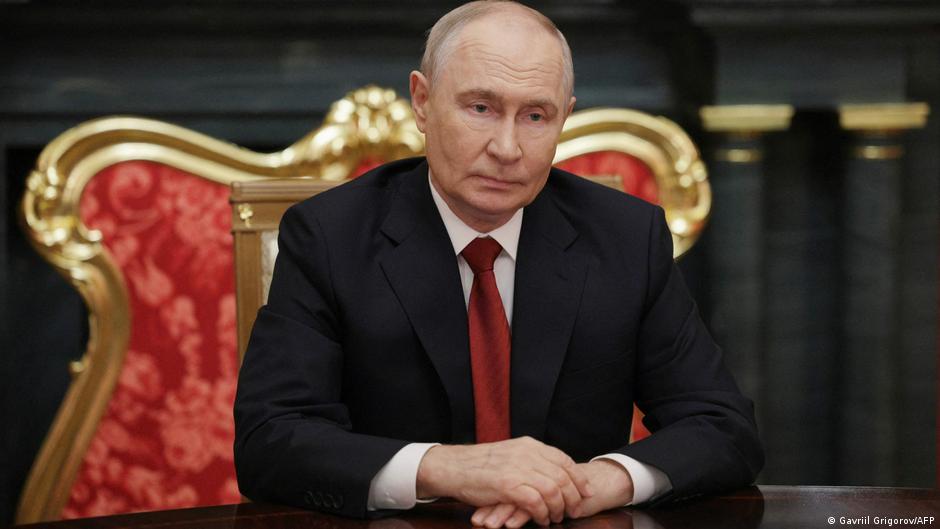
Russian President Vladimir Putin has backed a proposal to allow citizens deemed completely unfit for military service to take part in combat-related duties in the war against Ukraine, including guarding rear-area facilities from drone attacks. The idea was put forward by pro-Kremlin war correspondent Yevgeny Poddubny and reported on Saturday, September 5, by The Moscow Times and Ekho.
The proposal would affect people assigned Russia’s health category “D”, a classification meaning “absolutely unfit for military service”. Under current Russian law, people in this category cannot sign contracts with the Ministry of Defence. They are removed from military registration and their personal files are sent to archives.
For London and other European markets, the significance is not only military. Any sign that Moscow is trying to widen the pool of people available for war-related functions is likely to reinforce expectations that the conflict will remain a long-duration pressure point for energy policy, sanctions, defence procurement and currency risk. Sterling has repeatedly been sensitive to broader shifts in European security, particularly when those shifts affect gas prices, government borrowing expectations and UK-listed defence shares.
A manpower signal watched beyond Russia
Poddubny raised the idea at a meeting of the leadership of Russia’s ruling United Russia party. According to media reports cited in the source article, he said the request came from fighters who had received the “D” category as a result of battlefield wounds. He argued that such people were still capable of performing tasks, for example in regional units assigned to repel Ukrainian drone attacks away from the front line.
Putin supported the proposal at the same meeting. The source article presents the move as a response by the Kremlin to a suggestion from a pro-Russian military blogger, but its practical implications would be broader: it would mark an attempt to draw on a category of citizens officially considered outside the regular pool of military manpower.
The proposal concerns citizens classified as “absolutely unfit for military service”, including those who may be used to guard rear facilities against drones.
The “D” category is assigned in cases of serious chronic illness and severe medical conditions. The source lists active tuberculosis, HIV infection, cancer, schizophrenia, missing limbs, blindness and deafness among the conditions that can lead to the classification. That makes the political weight of the proposal unusually high, even if the suggested duties are described as rear-area roles rather than front-line deployment.
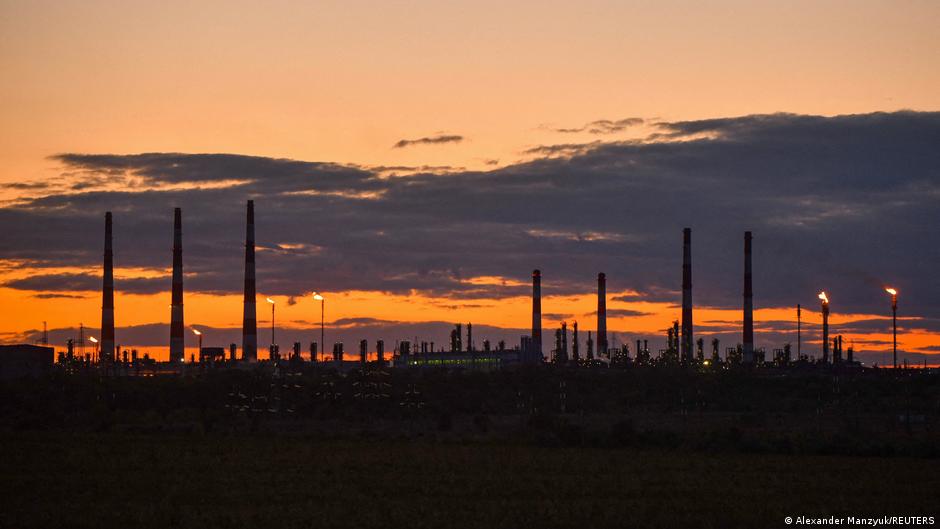
The Kremlin’s interest in these personnel comes against the backdrop of sustained Ukrainian drone attacks on Russian military, industrial and energy infrastructure. Rear-area defence has become a major operational requirement for Russia, as strikes away from the front complicate logistics, oil refining, ammunition storage and regional security planning. For European policymakers, such developments matter because they shape Moscow’s capacity to sustain the war without announcing a politically costly new mobilisation wave.
Markets weigh sanctions, defence and sterling exposure
From a UK business perspective, the issue feeds into several market channels. First, investors in London track Russian manpower policy as part of the wider assessment of how long the war may continue and how much pressure European governments may face to raise defence spending. UK-listed defence and aerospace companies can react to expectations of higher NATO procurement, while manufacturers with exposure to continental supply chains monitor the same developments through the lens of energy and input costs.
Second, sterling is exposed to the inflation and fiscal consequences of European security shocks. A more entrenched conflict can raise concerns over energy supply, shipping risk, insurance costs and the price of industrial commodities. Even when the immediate exchange-rate move is limited, currency traders tend to fold such signals into expectations for Bank of England policy, gilt issuance and relative UK growth prospects.
Third, companies operating across the EU and UK must weigh the risk of further sanctions, export controls and compliance burdens. Any indication that Russia is expanding war-related recruitment or support functions may strengthen political arguments in European capitals for tighter enforcement against dual-use goods, energy revenue streams and third-country circumvention. That can affect banks, insurers, logistics groups and industrial exporters based in Britain and the European Union.
Putin’s latest comments also come amid renewed discussion of whether Russia may launch another mobilisation drive. At the plenary session of the Eastern Economic Forum in Vladivostok on September 3, the Russian president again addressed rumours of a new wave of mobilisation, saying there was “no scenario that would require mobilisation”. He described the rumours as an “information attack” by the enemy ahead of State Duma elections, aimed at influencing the result.
That was already Putin’s second statement on the issue. The previous day, after the Shanghai Cooperation Organisation summit in Bishkek, he dismissed such concerns with a crude phrase meaning that they were nonsense.
However, the decree on partial mobilisation issued in 2022 has not formally been cancelled and remains in force. Russians have reported receiving summonses, being called to military training and facing intensified recruitment efforts for the war against Ukraine. Z-channels reported in July that forced conscription to the front could affect 1.2 million Russians and might be accompanied by informal understandings with neighbouring countries that would prevent men of draft age from leaving Russia for adjacent states.
In August, according to the Institute for the Study of War, total Russian troop losses exceeded 40,000 for the second month in a row. The Financial Times, citing sources, reported that the Kremlin and Russia’s Ministry of Defence had instructed Russian regions to ensure the recruitment of 409,000 contract soldiers by the end of 2026 for participation in the war. To meet that target, the authorities are increasing pressure on local officials.
For European businesses, these figures and policy signals point to a war economy that remains deeply embedded in Russia’s regional administration and labour market. The proposed use of medically unfit volunteers for drone defence may be framed in Moscow as a limited rear-area measure, but in London and Brussels it is likely to be read as another indication that Russia is searching for ways to sustain military capacity while avoiding the domestic shock of a declared mass mobilisation.