Ukraine Anti-Corruption Raids Put Prosecutor’s Office Under Scrutiny
The case involving alleged protection of scam call centres lands as Kyiv seeks tougher penalties and European partners watch governance risks.
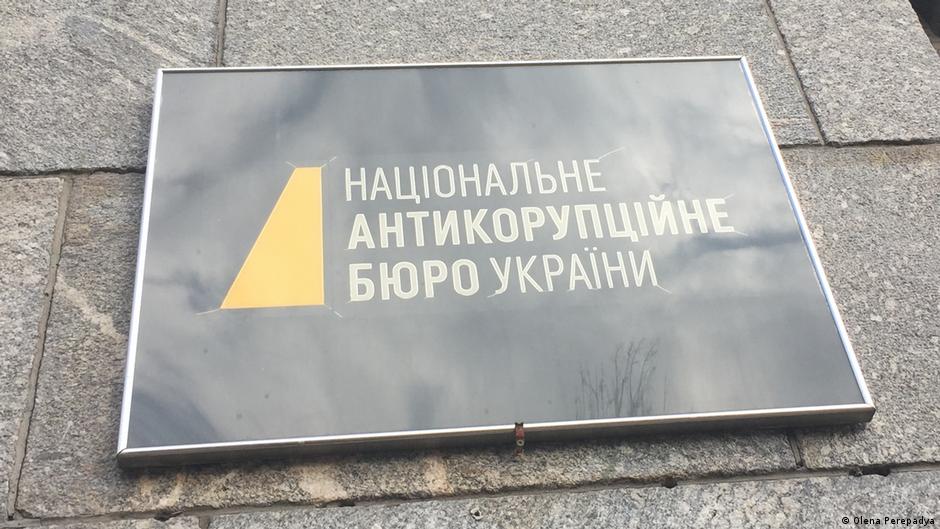
Ukraine’s anti-corruption authorities have announced an operation targeting public officials allegedly linked to fraudulent call-centre networks, placing a staff member of the country’s Prosecutor General’s Office under suspicion and drawing fresh attention to governance standards that matter closely to Kyiv’s European backers.
The National Anti-Corruption Bureau of Ukraine, known as NABU, and the Specialised Anti-Corruption Prosecutor’s Office, or SAP, said they were conducting an operation to expose what they described as a criminal organisation involved in protecting a network of fraudulent call centres and legalising property. According to the investigation, the organisation is headed by an employee of the Office of the Prosecutor General of Ukraine, the agencies said in statements published on their Telegram channels on Friday, 4 September.
The authorities said they would provide further details later. On the same day, however, searches were carried out at the Office of the Prosecutor General. The office confirmed that investigative actions were taking place, while stressing that the suspicions held by NABU and SAP did not directly concern Prosecutor General Ruslan Kravchenko.
“The Office of the Prosecutor General will provide the anti-corruption bodies with full assistance and all necessary information within the law,” the office said.
It added that the employee whose possible involvement in unlawful activity is being checked would be suspended from official duties for the duration of the pre-trial investigation.
European investors will read the case through a governance lens
For Britain and the European Union, the case touches a wider question that has shaped support for Ukraine since Russia’s full-scale invasion: whether wartime institutions can demonstrate credible rule-of-law discipline while managing vast security, reconstruction and budgetary demands. The allegations, as reported by Ukrainian authorities, concern fraudulent call-centre activity and suspected official protection, not state procurement or foreign aid. Even so, any investigation reaching the prosecutor general’s office is likely to be watched closely by policymakers, donors and investors in London and European capitals.
London’s market reaction to such developments typically turns less on a single law-enforcement raid than on the broader signal it sends about institutional resilience. Ukraine remains dependent on international support, and its longer-term reconstruction prospects are tied to confidence from European governments, multilateral lenders and private capital. For sterling-based investors, the immediate relevance is not a direct currency shock but the implications for political risk, compliance exposure and future reconstruction financing in a country that the UK has strongly backed.
The UK has been among Ukraine’s most prominent European supporters, while the EU has linked Kyiv’s accession path and financial support to anti-corruption reforms. Against that backdrop, NABU and SAP’s public announcement may be interpreted in two ways by markets and policy circles: as evidence that enforcement agencies are probing sensitive offices, or as a reminder that illicit networks remain a persistent risk within wartime Ukraine’s administrative system.
According to Ukrainska Pravda, the NABU and SAP suspicion fell on Serhiy Kropyva, deputy head of the international legal cooperation department of the Prosecutor General’s Office. The publication reported, citing sources “in business circles,” that he had been detained. There was no official confirmation of the individuals searched or the suspects named.
Journalists also reported searches involving Ukrainian official Oleh Kiper. Kiper previously held various posts in the Prosecutor General’s Office and in 2023 was appointed head of the Odesa regional military administration. Kropyva, before taking his latest position in Ukraine’s prosecutor general’s office, had served as Kiper’s deputy in the Odesa regional military administration. Before that, he had also worked in the Prosecutor General’s Office, in the cyber security department.
Kyiv moves to harden penalties for scam call centres
The anti-corruption operation came one day after President Volodymyr Zelensky, on 3 September, submitted a bill to the Verkhovna Rada that would toughen penalties for organising fraudulent call centres and for links to their activity.
Under the proposed changes, organisers of such call centres could face up to 12 years in prison with confiscation of property. Working at such a site could carry a prison term of up to 10 years. Recruiting people into call centres could be punishable by up to five years in prison, while repeated recruitment could carry up to 10 years. Even landlords renting premises for call-centre operations could face punishment of up to 10 years in prison.
Shortly before that, Ukraine’s National Police carried out a large nationwide operation to expose fraudulent call centres. As a result, the activity of 94 such organisations was halted. During searches, law-enforcement officers seized, among other items, about $2 million, €64,000, gold bullion and jewellery.
The issue has implications beyond Ukraine’s domestic law-enforcement agenda. Victims of such call centres include not only Ukrainians but also Russians. The problem became especially visible after the start of Russia’s full-scale invasion of Ukraine, as fraudsters began persuading people they had deceived to carry out various acts of sabotage. Kyiv and Moscow have each accused the other of organising the work of such “sabotage” call centres.
For European businesses assessing Ukraine-related exposure, that mixture of financial fraud, cyber-enabled crime and wartime sabotage allegations is a compliance concern. British firms, banks and insurers involved in Ukrainian trade, technology services or future reconstruction work are likely to view effective enforcement as part of the country’s investment case. The same applies across the EU, where Ukraine’s reform progress remains central to its political and financial integration.
The Prosecutor General’s Office has pledged cooperation with anti-corruption investigators, and the employee under scrutiny is to be suspended during the pre-trial investigation. Until NABU and SAP release further details, the central facts remain limited: anti-corruption bodies say they are targeting an alleged criminal organisation connected to fraudulent call centres and property legalisation; searches have taken place at the prosecutor general’s office; and officials say the case does not directly concern Prosecutor General Ruslan Kravchenko.