Putin Signals Scope for Ukraine Peace Talks as Kyiv Awaits US Envoys
Remarks from Moscow and Kyiv revived focus on diplomacy, with European investors watching for any signal that could alter energy, trade and currency risk.
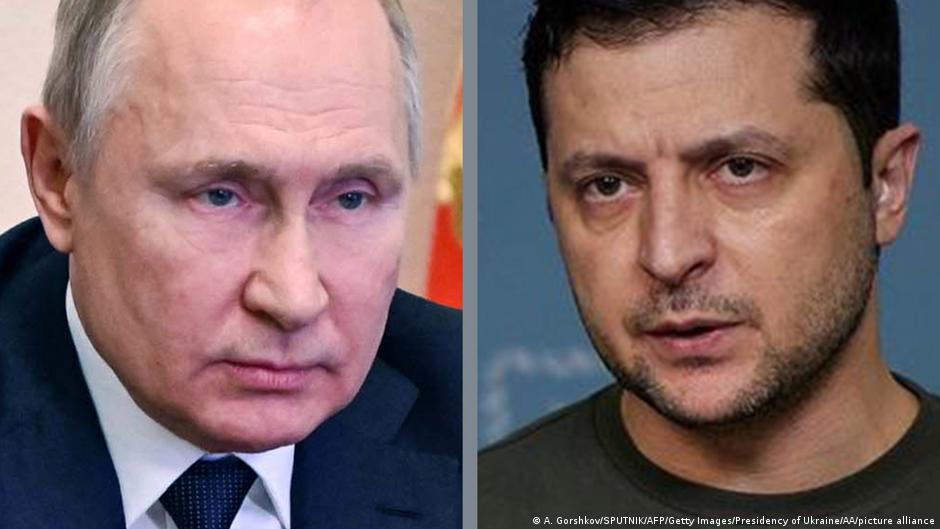
Russian President Vladimir Putin said there are chances of achieving peace in Ukraine through diplomacy, while insisting that Russia and Ukraine themselves must reach any agreement to end the war, with other countries limited to supporting the process. Ukrainian President Volodymyr Zelenskyy, meanwhile, said representatives of US President Donald Trump are expected to visit both Kyiv and Moscow to discuss a possible peace settlement.
The comments, delivered on Thursday, 3 September, reopened attention on a diplomatic track that remains politically fraught but economically important for Britain and the European Union. For London markets and European business leaders, even a tentative revival of negotiations matters because the war has shaped energy costs, trade routes, defence spending and broader risk sentiment across the region. Sterling, like the euro, remains sensitive to shifts in geopolitical risk and the outlook for commodity prices and investor confidence.
Speaking on the sidelines of the Eastern Economic Forum, Putin said the main burden of negotiating an end to the conflict lies with the two warring sides.
“Russia and Ukraine must first of all come to an agreement between themselves. And all the other countries are ready to support and help. This is the correct approach. But we are grateful to everyone who is trying to contribute to resolving this issue. Are there chances? In my view, yes, there are.”
For European policymakers and businesses, that formulation is significant. It suggests Moscow is publicly leaving room for diplomacy while also framing outside powers, including the United States and European states, as backers rather than principal negotiators. That matters to the UK and EU because both have been deeply involved in sanctions, military support, energy diversification and broader strategic planning linked to the war.
Putin also said contacts between Moscow and Kyiv have been maintained through the intelligence services, though he said he could not assess how much that might help a peace process. At the same time, he pointed to Ukrainian attacks on transport vessels in the Black Sea and statements from Kyiv about the lack of safety in Russian airspace, saying such factors complicate the chances of holding bilateral peace talks.
Those references underscore why any diplomatic opening would be closely monitored in European capitals and boardrooms. The Black Sea remains tied to shipping security and wider supply-chain concerns, while airspace risk and transport disruption continue to feed into calculations about trade costs, insurance exposure and regional stability.
Kyiv Signals US Contacts
Later the same day, Zelenskyy also spoke about the prospect of renewed talks with Russia. He said US representatives would soon visit both Kyiv and Moscow, and that possible terms for a peace agreement would be discussed during those meetings.
“There are preliminary dates. We expect representatives of the US president to come here, to Kyiv. We already have confirmation from them: there will be a meeting in both Moscow and Kyiv.”
Zelenskyy made the remarks in his nightly video address and added that Ukraine is in constant contact with the American team. A few days earlier, he reported having held a phone conversation with Trump envoys Steven Witkoff and Jared Kushner, in which he told the US representatives that Russia’s battlefield gains were “insignificant.”
For British and European observers, the US role remains central. Washington’s approach can influence not only the military and diplomatic balance, but also the sanctions environment, investor sentiment and the degree of confidence in Europe’s medium-term economic outlook. Any clearer path toward de-escalation would be of immediate interest in London, where markets have had to price prolonged uncertainty around European security and growth.
Discussion of possible Russia-Ukraine peace negotiations intensified after an unannounced visit to Moscow in late August by CIA Director John Ratcliffe. According to Axios, a representative of the Trump administration proposed to the Russian side the idea of a three-way meeting involving the presidents of the United States, Russia and Ukraine to discuss ending the war through diplomacy.
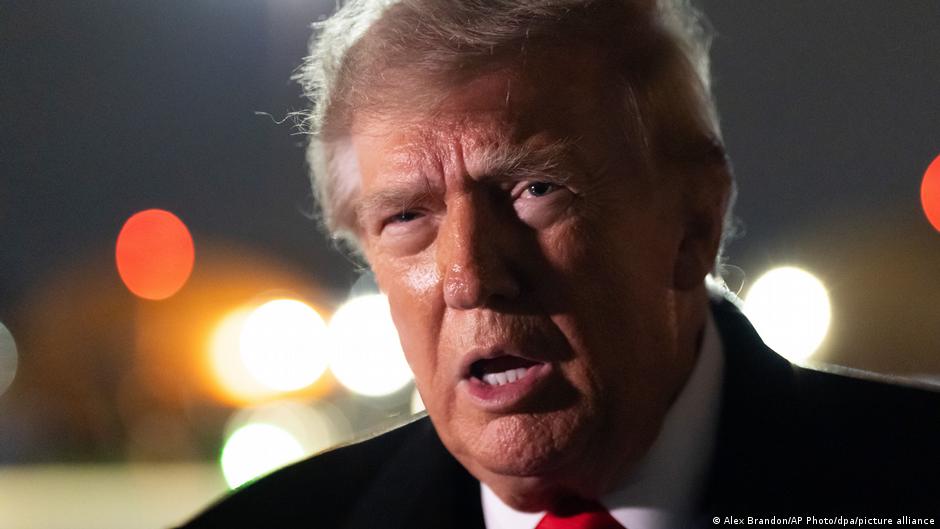
Trump later rejected the idea of holding such a three-way summit in the near term. Speaking to reporters, the US president said Putin would agree to such a meeting if Trump wanted it, and that Washington could organise a summit “immediately.” But Trump said he wants to hold such a meeting only when the sides are ready to conclude a peace agreement.
Trump also said that “Putin and Zelenskyy should stop this stupid war,” again assigning blame for the continued fighting to both Moscow and Kyiv. He argued that personal hostility between Zelenskyy and Putin is an obstacle to peace, and said the conflict he had promised to end “in a day” had proved more difficult than the “eight wars” he says he stopped in less than two years in office.
For the UK and the EU, the immediate significance of these exchanges is less about a breakthrough than about whether a credible diplomatic channel is taking shape. European governments and businesses have spent years adapting to the war’s consequences, from higher defence commitments to shifts in logistics, energy sourcing and political risk. London-based investors, exporters and currency traders will be alert to any sign that rhetoric is turning into a process with economic implications.
At this stage, the gap between public positioning and practical progress remains wide. Yet the re-emergence of talks as a live topic is enough to keep Britain and Europe focused on the prospect that geopolitics, once again, could quickly reshape the commercial outlook from Westminster to Brussels and across financial markets in the City.