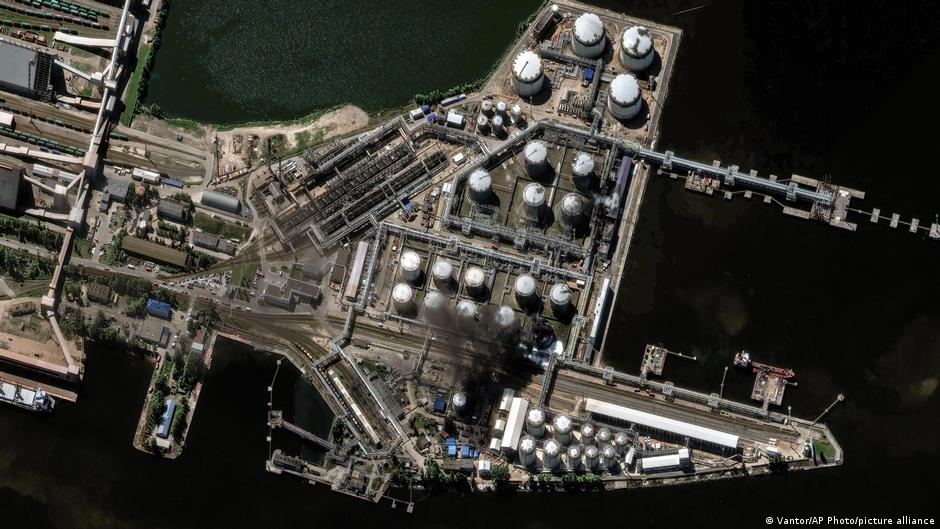
US Russian Gas Proposal Puts Europe’s Energy Strategy Under Pressure
A reported US peace proposal linking Russian gas flows to an end to the Ukraine war could test EU policy and reshape Britain’s energy outlook.
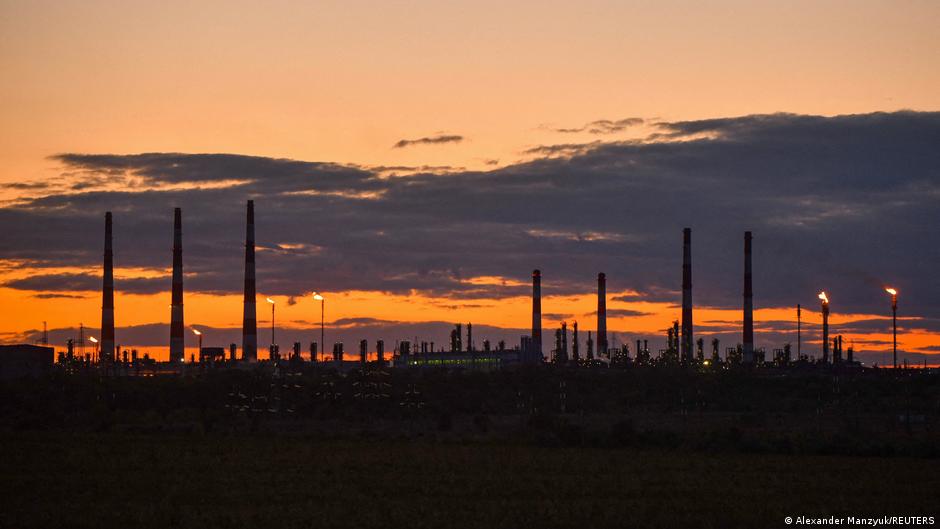
US negotiators have proposed that Europe resume large-scale purchases of Russian pipeline gas as part of a potential agreement to end the war in Ukraine, according to The New York Times, raising difficult questions for European energy policy and carrying potentially significant consequences for Britain’s economy and financial markets.
The newspaper reported on Saturday, October 17, citing people familiar with the discussions, that the restoration of substantial Russian gas supplies would be a central element of a new US proposal. Washington reportedly views renewed European purchases as an economic incentive that could encourage Russia to halt the war.
Steve Witkoff and Jared Kushner, special envoys for US President Donald Trump, presented the initiative during talks with Ukrainian and European Union representatives, the report said. The proposal was also discussed with Ukrainian President Volodymyr Zelensky during a meeting in Kyiv in September.
For the EU, the idea would represent a sharp challenge to the energy strategy developed since Russia launched its full-scale invasion of Ukraine in February 2022. For Britain, which is outside the bloc but closely connected to continental gas and power markets, any major change in Russian supply could influence wholesale energy costs, inflation expectations, sterling and the valuation of London-listed energy companies.
EU resistance confronts prospect of cheaper supply
The EU delegation reacted sceptically to the proposal, according to the report. Günter Sautter, German Chancellor Friedrich Merz’s closest security adviser, was among those who strongly criticised the initiative. Some European and Ukrainian officials also expect the United States to seek a share of Russian gas exports, the newspaper said.
Renewed pipeline flows could place downward pressure on European gas prices by increasing available supply. That could, in turn, reduce energy costs for manufacturers and households across the region. Britain could benefit indirectly because its gas market is linked with continental Europe through pipelines and liquefied natural gas trade.
However, any relief for energy-intensive businesses would come with a strategic cost. European governments have spent years reducing reliance on Russian fuel, expanding LNG infrastructure and finding alternative suppliers. A return to large Russian volumes could revive concerns over energy security and Moscow’s ability to use exports as political leverage.
In January 2026, the EU agreed to phase out all Russian pipeline gas and liquefied natural gas by November 1, 2027. The legislation also prohibits new gas contracts with Russia. Implementing the reported US proposal would therefore require a major political and legal shift within the bloc.
Russian gas accounted for 45% of EU gas imports in 2021. Its share fell to about 19% in 2024 and 13% in 2025 following the invasion and Europe’s subsequent diversification drive.
Nord Stream question returns to the agenda
US officials have also discussed restarting Nord Stream with Russian representatives, according to the newspaper. The pipeline linking Russia and Germany beneath the Baltic Sea has not operated since August 2022 following an explosion. Reuters reported similar discussions in early October, citing five sources.
One person cited by The New York Times said the Trump administration considers restarting Nord Stream an easy task if a peace agreement is reached. White House representatives denied that discussions about the pipeline had taken place, while stressing that Europe would have to be involved in any arrangement.
“Any agreement concerning this issue would require close coordination with our European partners as part of a comprehensive peace agreement,” the White House said.
The disagreement over whether Nord Stream was discussed adds uncertainty for investors assessing how quickly Russian gas could return. Reopening a damaged and politically contentious pipeline would involve more than a commercial decision, including regulatory approval and agreement among European governments.
What London markets and sterling would watch
The report did not provide a specific London market or sterling reaction. Nevertheless, the proposal touches several factors closely followed by UK investors. Lower European gas prices could ease British inflationary pressure, support household spending and reduce costs for industrial companies. That could affect expectations for Bank of England interest rates and, by extension, the pound.
The impact on sterling would not necessarily be straightforward. Reduced energy import costs could improve Britain’s economic outlook, but earlier expectations of interest-rate cuts can weigh on a currency. London-listed oil and gas producers could also face pressure if additional Russian supply lowered regional energy prices, while airlines, manufacturers and other heavy energy users could benefit from reduced costs.
Ukraine ended the transit of Russian pipeline gas to Europe on January 1, 2025, after declining to renew an expired contract with Gazprom. The New York Times said Kyiv consequently loses about €900 million in annual transit fees. Restoring Russian exports through any route would therefore carry direct financial implications for Ukraine as well as broader consequences for Europe’s energy system.
The proposal ultimately puts a potential economic peace incentive against Europe’s stated goal of ending dependence on Russian fuel. For the EU and Britain, the central issue is whether cheaper energy could justify reversing a security policy built over more than four years of war.