Ukraine Strikes Hit Energy and Automotive Sites, Raising European Risks
Russian attacks killed two people and disrupted Ukrainian energy and automotive infrastructure linked to European supply chains.
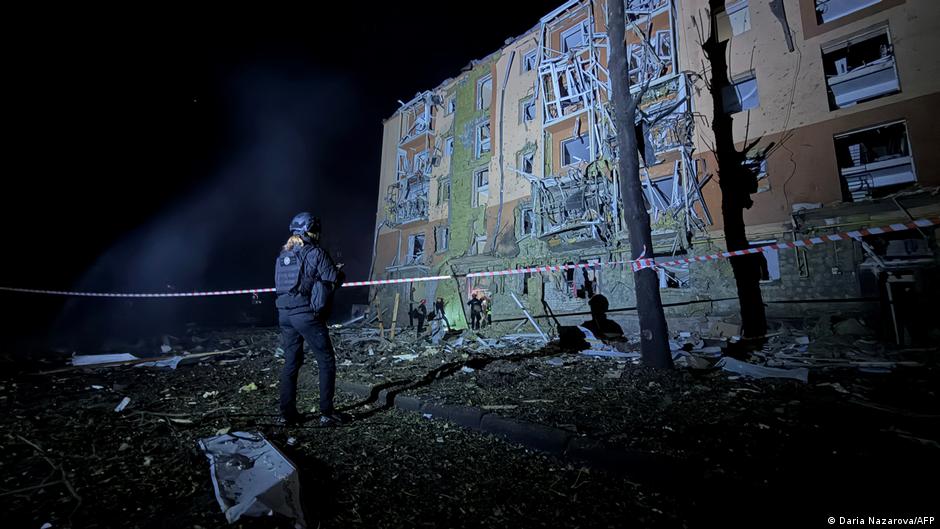
Russian drone and missile attacks across several Ukrainian regions late on Saturday, 17 October, and overnight into 18 October killed two people, injured others and damaged energy and industrial infrastructure, according to local authorities.
The strikes underline the continuing human cost of the war while adding to operational risks facing Ukraine’s economy and European companies connected to the country. For British and EU businesses, the immediate commercial concerns include electricity instability, possible disruption to automotive supply chains and the broader cost of supporting Ukraine’s damaged infrastructure.
There was no specific information in the reports about a reaction in sterling or London-listed securities. However, investors in London and across Europe are likely to monitor whether repeated attacks on energy networks and industrial facilities lead to wider production or logistics interruptions. Any effect on the pound would probably come through broader shifts in European risk sentiment, energy expectations and geopolitical uncertainty rather than direct UK exposure to a single facility.
Deaths and injuries reported in three cities
One person was killed and four others were injured in an evening drone attack on Poltava, regional military administration head Vitaliy Diakivnych wrote on Telegram. Four private homes were damaged in the city, while another five were damaged in the Tereshky rural community.
In Zaporizhzhia, a drone struck a multi-storey residential building during the night, according to regional military administration head Mykhailo Semikin. A 27-year-old woman was killed and another woman was injured.
Three people were injured after Russian ballistic strikes hit two districts of Kharkiv on Saturday evening, Mayor Ihor Terekhov said. The head of the Kharkiv regional military administration said men aged 66 and 42 were wounded in the Slobidskyi district and taken to hospital. A 26-year-old woman was injured in the city’s Osnovianskyi district.
The attacks demonstrate how strikes on Ukrainian cities can combine casualties and residential destruction with damage to the infrastructure needed to sustain economic activity. That combination remains important for European governments and companies assessing reconstruction requirements, insurance exposure and the resilience of cross-border trade.
Power disruption adds to infrastructure pressure
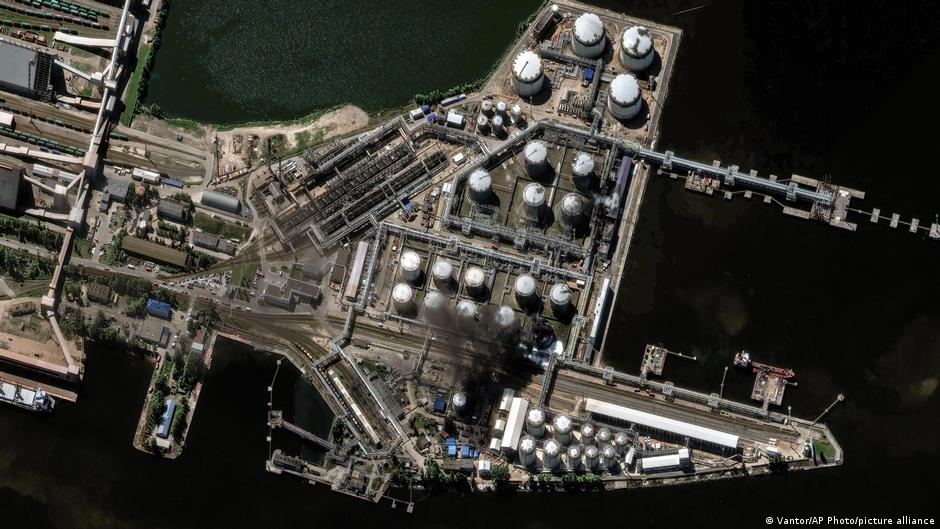
Critical infrastructure was damaged in the Vinnytsia region, causing emergency electricity cuts, regional military administration head Nataliia Zabolotna said on Telegram.
“In the near future, the electricity supply situation will remain unstable,” she said.
In the Chernihiv district of the region of the same name, 19,000 customers were left without electricity following the evening strikes, representatives of local energy supplier Chernihivoblenergo said. Critical infrastructure in Dnipro was also attacked, according to regional military administration head Oleksandr Hanzha.
Electricity disruption is a central business risk because it can affect factories, warehouses, communications and essential public services even when individual companies are not struck directly. For European partners, further damage may increase demand for replacement equipment, emergency power systems and financial assistance. It may also complicate production schedules and transport planning for businesses sourcing goods or components from Ukraine.
For UK markets, the relevance lies less in the reported outages alone than in their potential cumulative effect. London investors routinely assess the war through its implications for European growth, public spending, energy security and corporate earnings. Persistent infrastructure damage could reinforce caution toward companies with regional manufacturing or supply-chain exposure, although the information released by Ukrainian officials did not identify any immediate movement in London markets or sterling.
German-owned automotive supplier suspends operations
In Lutsk, a factory operated by German company Kromberg & Schubert suspended work after a strike. The company manufactures electrical onboard wiring systems for vehicles, making the incident directly relevant to Europe’s automotive industry.
The Russian Defence Ministry said the facility was attacked because it was being used to repair automotive equipment for the Ukrainian armed forces. The reports did not provide an assessment of the damage, the expected duration of the shutdown or its effect on customers.
The suspension nevertheless highlights the vulnerability of manufacturing sites in Ukraine that are integrated into wider European production networks. Automotive wiring systems are part of a highly coordinated supply chain in which interruptions at an individual plant can create scheduling problems elsewhere if production cannot be shifted or inventories are limited.
That exposure is especially significant for the EU, where the automotive sector supports a large manufacturing base. British companies and investors also have an interest through vehicle production, continental suppliers and London-listed groups with European operations. Without details about the Lutsk factory’s customers or the length of the stoppage, however, the scale of any commercial impact cannot yet be established.
European businesses watch for broader disruption
The latest attacks connect three persistent risks for European business: damage to Ukrainian power supplies, threats to internationally owned manufacturing assets and uncertainty over logistics. They also reinforce the challenge facing governments balancing military and financial support for Kyiv with domestic budget constraints.
For the UK and EU, the key question is whether the reported damage remains localised or develops into a wider interruption affecting industrial output and cross-border supply chains. Confirmed casualties and household power losses already show the immediate impact inside Ukraine. The consequences for sterling, London equities and European manufacturers will depend on the duration of the outages, the extent of damage at the Kromberg & Schubert plant and whether further attacks hit comparable infrastructure.