St Petersburg Drone Attack Hits Oil Terminal and VK Data Centre
The overnight assault disrupted power and transport links, raising fresh infrastructure and energy risks for British and European businesses.
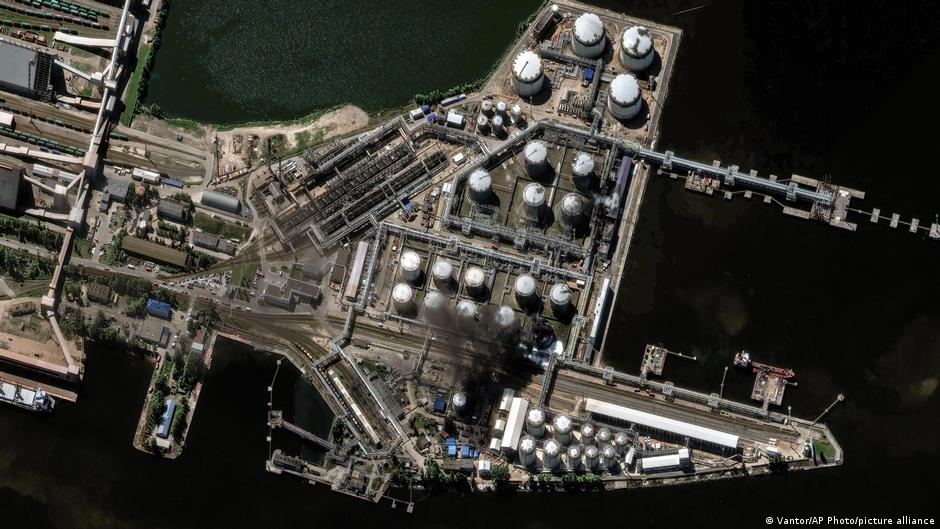
St Petersburg and the surrounding Leningrad region came under a large-scale drone attack overnight on Sunday, October 18, triggering a fire at an oil terminal, striking a VK data centre and causing limited power outages, according to officials and local reports.
The incident carries potential significance for British and European businesses because St Petersburg remains a major Russian commercial and logistics centre, while disruption to oil infrastructure can sharpen concerns over regional energy flows. The source material provided no immediate evidence of a measurable reaction in sterling or London-listed markets, but investors are likely to scrutinise any prolonged interruption at the terminal or escalation affecting transport and digital infrastructure.
St Petersburg Governor Alexander Beglov said emergency crews were tackling fires at what he described as civilian infrastructure sites in the city’s Nevsky, Krasnoselsky, Krasnogvardeysky and Moskovsky districts, as well as at the St Petersburg oil terminal.
“For safety reasons, operations at Pulkovo Airport have been restricted. There are no casualties. Mobile internet disruptions are possible,” Beglov wrote on Telegram.
The restrictions at Pulkovo Airport add an aviation and freight dimension to the disruption. Any extended limitations could affect passenger journeys and cargo connections involving European companies, although no information was provided on the duration or commercial impact of the measures.
Oil, power and digital infrastructure affected
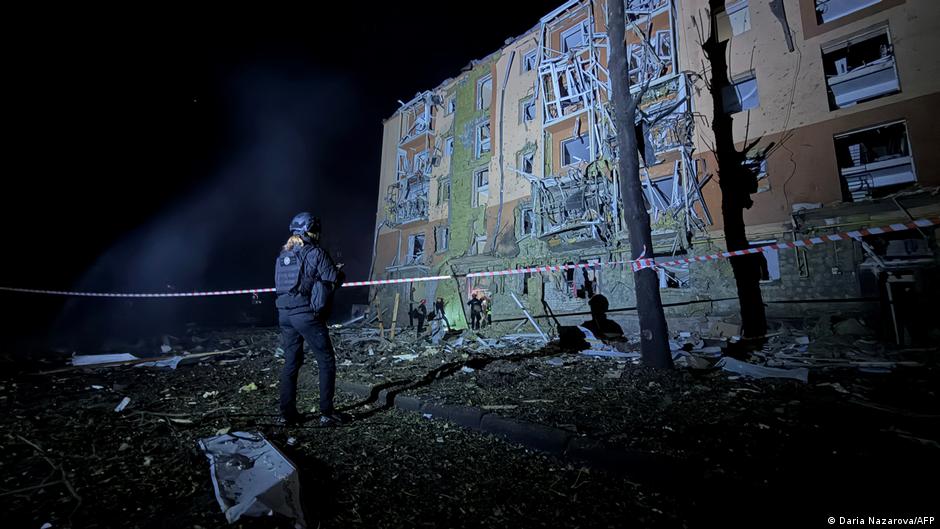
Leningrad region Governor Alexander Drozdenko said 126 drones had been shot down over the region. According to his account, debris fell on an apartment building in Vsevolozhsk, a private home near Kirovsk and four vehicles in the village of Nizino.
Drozdenko also reported brief electricity interruptions after falling debris struck power lines. Residents cited by the St Petersburg online publication Fontanka described power problems in several parts of the city, including the Kalininsky and Krasnogvardeysky districts and the Ruchyi area.
The reported fire at the oil terminal will be of particular interest to European energy traders and London-based commodity desks. Russia’s energy trade has been heavily reshaped by sanctions and changing export routes, meaning even local infrastructure incidents can be monitored for possible effects on supply, shipping and insurance risk. However, the report did not specify the extent of damage, whether terminal operations had stopped or whether oil shipments were affected.
VK representatives confirmed that a company data centre in the Leningrad region had been attacked by drones. The technology group owns, among other services, the VKontakte social network and the Max messaging service.
The company said its services remained available to users under normal operating conditions. Nevertheless, Russian outage-monitoring websites Sboy.rf and Detector404.ru recorded a rise in complaints about VKontakte’s performance.
For European companies assessing operational exposure to Russia, the apparent targeting or impairment of a large data facility highlights the vulnerability of digital services alongside traditional transport and energy assets. No information was given about lasting damage to the centre or any compromise of user data.
Reports of strike on toll-road bridge
Telegram channels Dnipro Osint, Astra and Varlamov News reported that one drone strike hit the cable-stayed bridge across the Korabelny Fairway. The bridge forms part of the Western High-Speed Diameter, a toll motorway that provides an important road connection through St Petersburg.
Authorities had not confirmed an attack on the bridge. Fontanka reported, however, that the Western High-Speed Diameter had been closed between the Ekateringofka River and the Skippersky Channel. The bridge across the Korabelny Fairway is located within that section.
A sustained closure could complicate local road logistics and access to port-related districts, potentially affecting companies with supply-chain links in the region. The report did not establish the duration of the closure, the condition of the bridge or whether freight traffic had been diverted.
For the UK and European business community, the immediate focus will be on whether the oil-terminal fire is quickly contained, whether electricity and internet services stabilise, and whether airport and motorway restrictions are lifted. Those details would determine whether the episode remains a short-lived local disruption or develops into a broader risk for energy, transport and technology operations.
There were no reported casualties, according to Beglov. Emergency operations were continuing early on Sunday, while the full scale of damage to the affected civilian infrastructure had yet to be established.