Trump Delays Russia Sanctions as UK and EU Markets Weigh Energy Risks
The US president says sanctions were postponed to preserve Ukraine talks and deter Moscow from supporting Iran.
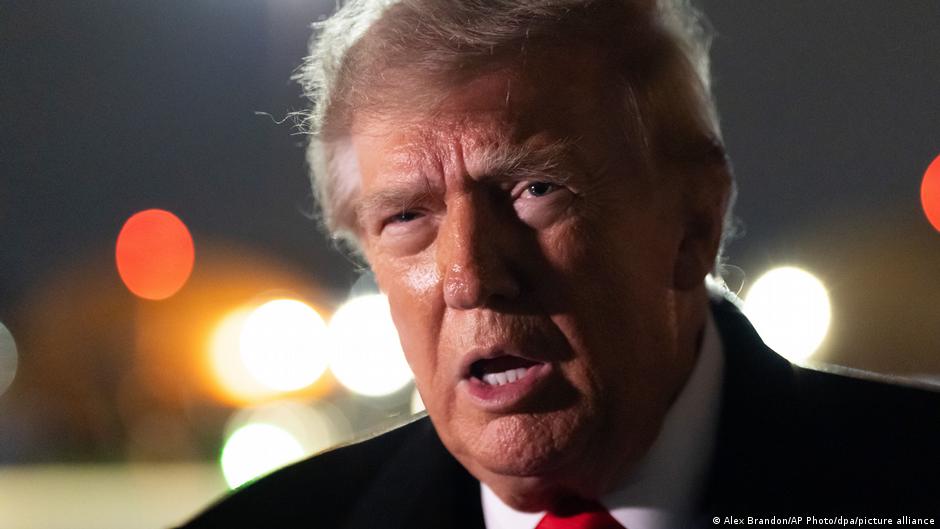
US President Donald Trump said he had delayed what he described as “hellish sanctions” against Russia to keep Moscow engaged in negotiations over its war against Ukraine and to discourage it from providing greater assistance to Iran.
Trump said he would impose the measures whenever he considered it appropriate. The decision has implications beyond Washington, with British and European businesses closely exposed to shifts in Russian energy flows, secondary tariffs and the wider economic consequences of the war.
In a post on Truth Social on Sunday, October 18, Trump said he did not want new restrictions to undermine talks with Russia.
“My decision on Russia is very simple. I am currently conducting peace negotiations concerning the war between Russia and Ukraine, and I do not want to take any steps that could foolishly drive Russia away from the negotiating table.”
Trump claimed that the talks with Moscow had already produced “significant progress,” particularly on the release of prisoners. He did not provide further details about the negotiations or their timetable.
Referring to legislation associated with the late Senator Lindsey Graham, Trump said signing the measure immediately would produce precisely the outcome he wanted to avoid. He added that he could sign it later, at any time he deemed necessary.
European companies face tariff and energy exposure
The proposed legislation would introduce additional tariffs of 500% on Russian goods. It would also impose tariffs of 100% on products from countries ranked among the five largest buyers of Russian oil and gas, as well as countries considered most active in helping Moscow circumvent sanctions.
That structure would matter to UK and European companies because it could affect supply chains reaching far beyond direct trade with Russia. Businesses importing components or finished goods from major purchasers of Russian energy could face higher costs or renewed uncertainty if the United States activates the measures.
The law required Trump to introduce restrictions by October 18 but also allowed him to pause the process when doing so served US national interests. Trump exercised that authority on October 17.
For London markets, the immediate issue is whether the delay reduces the risk of another abrupt disruption to fuel supplies while leaving open the possibility of much tougher trade barriers later. The source statement contained no figures for sterling, equities, bonds or commodity prices, but the policy is relevant to UK investors because diesel costs feed into transport, agriculture and industrial expenses.
Sterling could also remain sensitive to any sanctions-driven change in European energy prices. Britain is not as directly dependent on Russian fuel as some continental economies, but higher regional energy and freight costs can still affect UK inflation expectations, corporate margins and the outlook for interest rates.
Trump links decision to Iran and diesel supplies
Trump said another important consideration was Russia’s limited support for Iran. He argued that Moscow was providing “practically no assistance” to Tehran compared with what it could offer and said he wanted that situation to continue.
“I want it to remain that way — and it will, unless foolish people interfere,” Trump wrote.
The US president also renewed his criticism of Ukrainian President Volodymyr Zelensky over attacks by Ukrainian forces on Russian oil refineries producing diesel fuel. Trump said Zelensky understood that those strikes caused serious damage to the global diesel market, including the US market.
According to Trump, farmers, ranchers and business owners across a range of industries were suffering as a result. He maintained that Russia nevertheless continued to supply millions of barrels of low-priced diesel to the world market and accused Zelensky of being indifferent to the consequences.
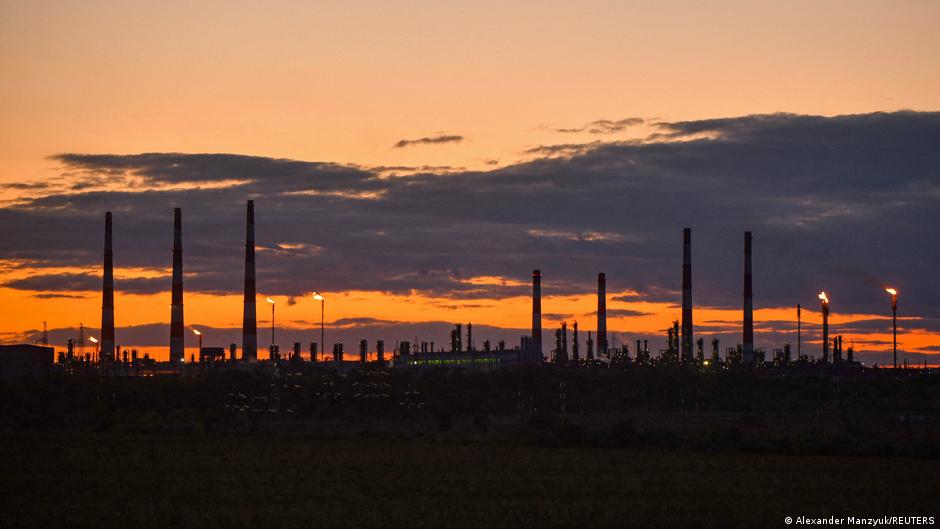
The comments are likely to draw attention in Britain and the European Union, where governments have combined support for Ukraine with efforts to contain energy prices and enforce restrictions on Russian trade. Refinery disruptions can be commercially significant even when companies have no direct dealings with Russia, because diesel is central to road freight, farming, construction and manufacturing.
Fresh criticism of Zelensky
Trump said he wanted to end Russia’s war against Ukraine but alleged that Zelensky was not seeking an end to the conflict and perhaps never had been.
He further claimed that Ukraine could have secured a much better agreement two years earlier than it could now. Trump described the country as being in ruins, said a significant part of its territory had been lost, asserted that it no longer had access to seas and oceans, and said its male population had been reduced, wounded or killed.
The postponement therefore leaves European policymakers and businesses confronting two competing risks: a sudden escalation in US sanctions and tariffs if Trump changes course, or continued uncertainty around the war, energy infrastructure and Russian fuel exports if negotiations fail to deliver a settlement.