Kyiv Missile Strike Kills 21-Year-Old Woman and Injures Three
The attack damaged a medical centre, a residential tower and metro infrastructure, underscoring continuing risks in Ukraine.
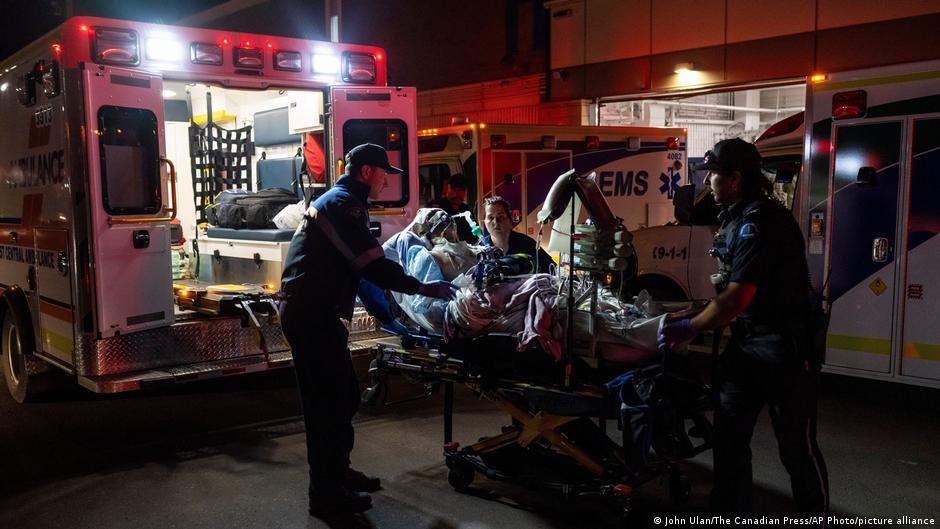
A Russian missile strike on Kyiv killed a 21-year-old woman and injured three other residents on the evening of Sunday, October 18, according to authorities in the Ukrainian capital.
Kyiv Mayor Vitali Klitschko reported the casualties on Telegram after impacts and falling debris were recorded in several districts. The Ukrainian Air Force said later that evening that the capital had been attacked with a ballistic missile.
The fatal strike adds to the human and infrastructure costs of the war in Ukraine, a conflict that remains a central security concern for Britain and the European Union. For UK and European businesses, attacks on the Ukrainian capital continue to highlight the operational risks surrounding transport, healthcare facilities, residential property and essential urban services.
Medical, residential and transport sites damaged
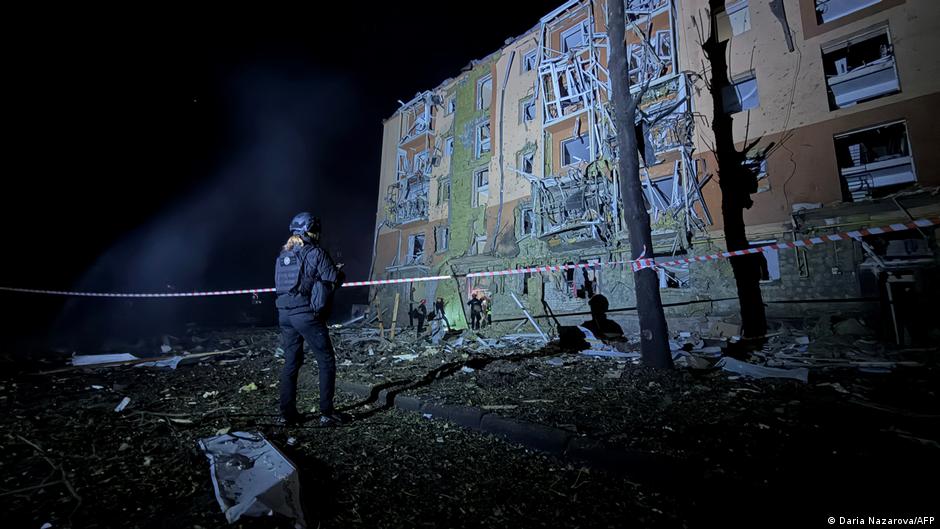
Klitschko said a building housing a medical centre was preliminarily identified as the site of an impact in Kyiv’s Desnianskyi district. In the Dniprovskyi district, a non-residential building was hit.
In the Solomianskyi district, the first floor of a 25-storey residential building was struck, according to the mayor. The authorities did not provide further details about the extent of the damage to the tower or identify the locations where the casualties occurred.
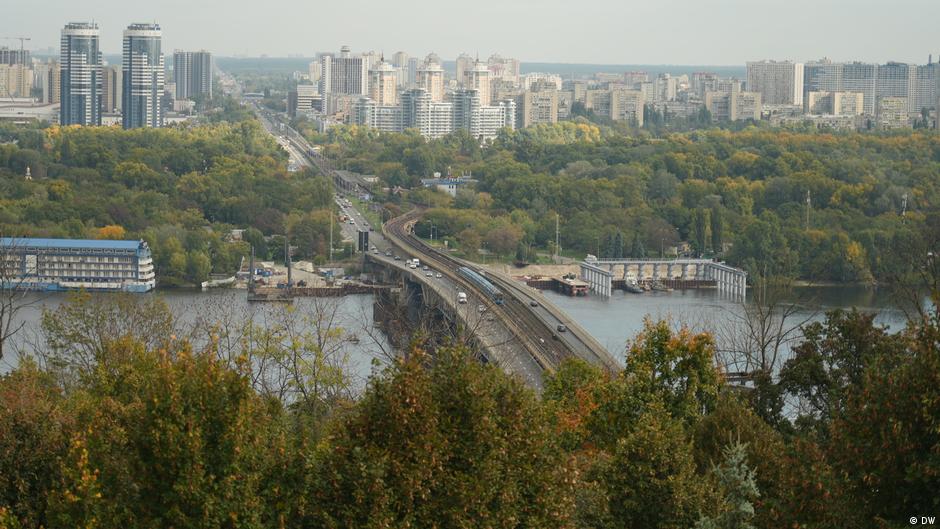
One of Kyiv’s metro stations on the left bank of the Dnipro River was also damaged. Klitschko said falling debris caused a break in the rails, affecting a piece of transport infrastructure used by the Ukrainian capital. No estimate of the repair time or financial cost was included in the official account.
Kyiv was attacked with a ballistic missile, the Ukrainian Air Force reported on the evening of October 18.
The reported damage spans several categories of civilian infrastructure: medical premises, housing, a non-residential property and the metro network. The authorities’ initial statements did not specify the missile type beyond describing it as ballistic, and they did not provide a broader assessment of damage across the city.
European business implications remain in focus
The immediate consequences reported by officials were the death of a young woman, injuries to three residents and physical damage across multiple Kyiv districts. The source information did not include any direct assessment of the attack’s effect on British or European companies operating in Ukraine.
It also provided no figures for disruption to trade, insurance claims, reconstruction costs or supply chains. Nevertheless, damage to transport and urban buildings is relevant to businesses assessing staff safety, continuity planning and exposure to the Ukrainian market. Medical and residential sites are particularly sensitive because they affect the services and neighbourhoods on which employees and local operations depend.
Britain and EU member states have substantial political and economic interests tied to Ukraine, including the resilience of its institutions and infrastructure. The strike therefore carries significance beyond the immediate damage in Kyiv, even though the official reports cited here offered no new policy announcements from London or Brussels.
No reaction from the London stock market was included in the available source material. There was likewise no reported movement in sterling directly attributed to the strike. Any attempt to assign a specific currency or equity-market response to the incident without market data would therefore be premature.
For London investors, the attack is best viewed as another indication that geopolitical risk around Ukraine remains active. Such risk can be considered alongside other factors when markets assess European security, energy exposure and regional investment, but the report itself does not establish a measurable effect on UK-listed shares, the pound or wider European markets.
Authorities assess the aftermath
The incidents reported by Klitschko were spread across the Desnianskyi, Dniprovskyi and Solomianskyi districts, as well as the metro system on Kyiv’s left bank. His account described the medical-centre impact as preliminary, indicating that authorities were still establishing details after the attack.
Officials had confirmed four casualties in total: one person killed and three injured. The woman who died was 21 years old. No further information about her identity or the condition of those injured was provided.
The official statements cited did not give details about emergency repairs, the restoration of metro services or further disruption in the capital. They also did not include a Russian statement about the strike.
As Kyiv assesses the damage, the confirmed facts remain limited but consequential: a ballistic missile attack, one young woman dead, three residents injured, and damage to medical, residential, non-residential and transport infrastructure. For British and European decision-makers, the episode reinforces the continuing security risks surrounding economic activity and civilian life in Ukraine.