Norway Seizes Russian Research Vessel in Naftogaz Claim Over Crimea Assets
The detention of the Russian vessel on Svalbard extends Kyiv’s asset recovery campaign and may draw close scrutiny from European investors and London markets.
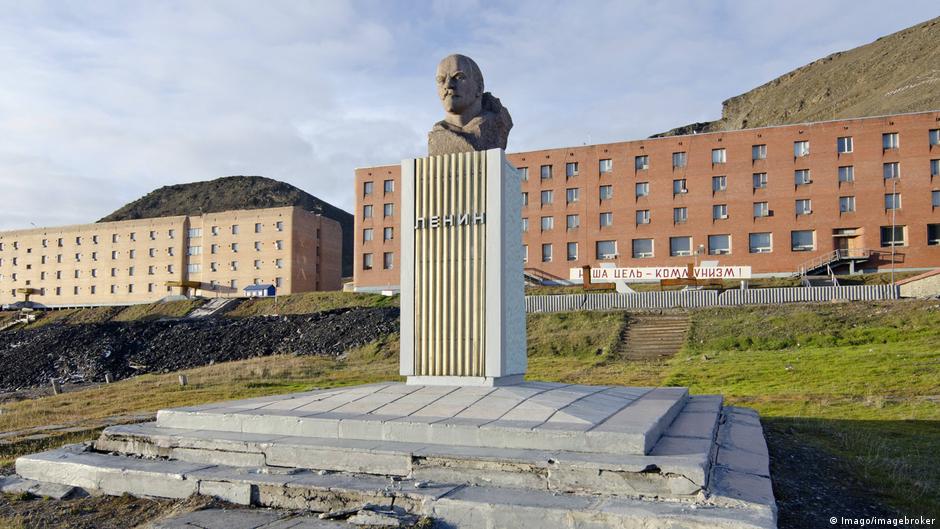
Norwegian authorities have detained the Russian research vessel Professor Molchanov at the port of Barentsburg on the Svalbard archipelago, acting on a court order tied to Naftogaz Ukraine’s long-running effort to recover compensation from Russia over assets lost in Crimea.
The governor of Svalbard said on Wednesday, September 2, that the vessel was arrested following a ruling by the Nord-Troms district court on August 31. The court authorised the seizure in response to an application by the Naftogaz group of companies, which is seeking to collect on a debt it says Russia owes.
For British and European business audiences, the move is notable not only as another turn in the legal fallout from Russia’s 2014 seizure of Crimea, but also as a reminder that Russian-linked assets located in jurisdictions willing to enforce international awards remain exposed. That risk is likely to be watched closely by investors across Europe, including in London, where sanctions enforcement, maritime insurance and cross-border legal disputes involving Russian assets continue to shape market sentiment.
“This legal proceeding and the decision handed down are part of the company’s efforts to recover funds expropriated by Russia in 2014,” the Svalbard governor’s office said.
Naftogaz also confirmed the arrest of the Russian vessel, saying it was being held as part of efforts to settle the debt owed by the Russian state authorities to the company.
Under the current order, the vessel will remain in Barentsburg until either the governor or the Nord-Troms district court decides otherwise. The governor said care would be provided for crew members and passengers, together with Arktikugol, the Russian coal mining company that has maintained a presence on Svalbard since 1931. According to the company’s website, Arktikugol is the main Russian organisation on the archipelago and operates under Russia’s Ministry for the Development of the Far East and the Arctic.
Asset recovery campaign reaches Arctic waters
Naftogaz launched arbitration proceedings against Russia in 2016 over the loss of assets in Crimea. In February 2019, a court in The Hague ruled in favour of Naftogaz, finding that Russia had violated its obligations under the bilateral investment protection agreement with Ukraine and had unlawfully expropriated the company’s investments. The court valued the seized assets at $5 billion, equivalent to 4.3 billion euros in the source account.
Russia’s justice ministry responded at the time by saying it would not recognise the ruling from The Hague and would take what it called all necessary measures to ensure the representation and protection of Russia’s interests.
Naftogaz has argued that if Russia refuses to comply with the award, the company is entitled under the 1958 New York Convention on the Recognition and Enforcement of Foreign Arbitral Awards to seek compulsory enforcement in countries where Russian assets are located. The seizure on Svalbard suggests that strategy is continuing to gain practical effect beyond the courtroom.
That point matters for Europe’s business and legal communities. Enforcement actions against state-linked assets can affect shipping routes, port operations, insurance exposure and the valuation of entities with Russian connections. In the UK, where professional services firms, insurers and legal advisers remain deeply engaged in disputes stemming from the war and sanctions regimes, developments like the Svalbard arrest are likely to feed into risk calculations even if there is no immediate direct effect on listed companies.
For sterling-denominated investors, the significance is more indirect than immediate. The case does not in itself alter the macroeconomic outlook for the pound, but it adds to the broader climate of geopolitical and legal uncertainty surrounding European trade, Arctic logistics and Russian asset enforcement. That is the kind of development that can influence sentiment in London markets, particularly among firms exposed to maritime transport, commodities and international arbitration.
The case also follows another court-backed action involving a vessel linked by Ukrainian authorities to Russian interests. In early June 2026, the district court in the Swedish city of Ystad ruled that the dry cargo ship Caffa, detained by Swedish authorities in March in the Baltic Sea on suspicion of belonging to Russia’s so-called shadow fleet, would be transferred to Ukraine.
Ukraine’s Prosecutor General Ruslan Kravchenko described that ruling as the first instance in which a foreign court, acting on a Ukrainian request, approved the seizure of a vessel connected to the export of Ukrainian goods from occupied territories. Ukrainian authorities say the Caffa transported grain from occupied Sevastopol to the Syrian port of Tartus in the summer of 2025. According to Kravchenko, a scheme involving false registration was used to conceal that activity.
Taken together, the Swedish and Norwegian cases point to an increasingly assertive European legal environment for Ukrainian claims against Russian assets. For policymakers and companies in the UK and EU, that trend has implications extending beyond diplomacy. It touches the mechanics of asset tracing, court enforcement, maritime compliance and the willingness of European jurisdictions to act when presented with Ukrainian claims backed by court orders or arbitral awards.
Whether the detention of the Professor Molchanov prompts further enforcement actions remains unclear. What is clear is that Naftogaz’s campaign to turn legal victories into recoveries is continuing, and that Russia’s overseas asset footprint in Europe remains vulnerable where local courts are prepared to intervene.