Israeli Navy Detains Global Sumud Flotilla Ships En Route to Gaza Amid Maritime Blockade
Israeli forces intercept several humanitarian aid vessels from Sicily heading to Gaza, impacting regional stability and London market sentiments.
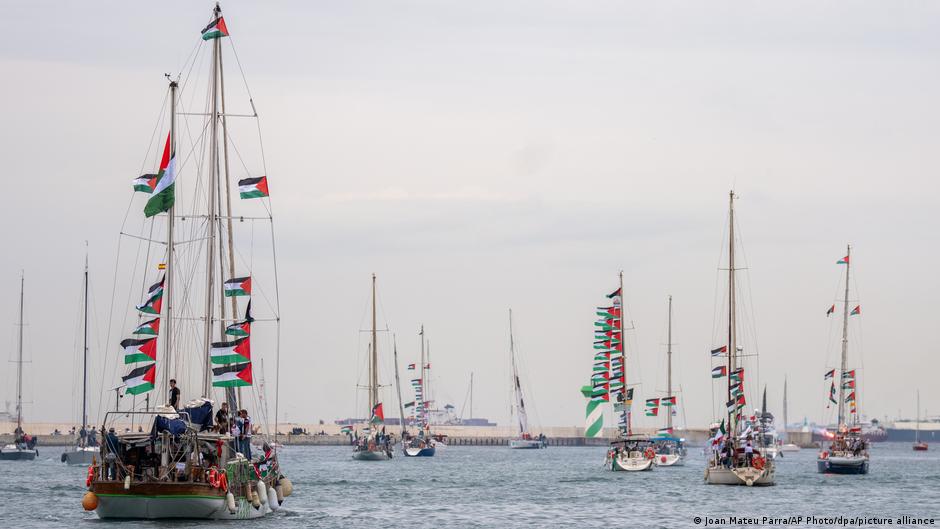
On April 30, Israeli naval forces detained multiple vessels from the Global Sumud Flotilla, which set sail from a Sicilian port earlier in April with humanitarian aid intended for the Gaza Strip. The detained ships are being towed to the Israeli port of Ashdod as part of the ongoing maritime blockade imposed by Israel on Gaza since 2007.
The Global Sumud Flotilla mission aimed to challenge this blockade, which is also supported by Egypt, by delivering much-needed humanitarian assistance to the enclave. This flotilla is considered the largest maritime convoy to attempt reaching Gaza since the blockade began. Communication with some of the flotilla's boats was reportedly lost, and emergency distress signals were sent, raising concerns over the immediate safety of the crew on board.
Implications for UK and European Interests
The interception of these vessels has stirred considerable attention across European capitals, including London, where market analysts are evaluating the potential ramifications on regional trade and geopolitical stability. The Mediterranean Sea serves as a critical juncture for European maritime commerce, and disruptions may indirectly affect British and EU economic interests.
Financial markets in London have shown cautious reactions, with sterling experiencing slight volatility as investors assess the broader impact of renewed tensions in the Eastern Mediterranean. The maritime blockade, and efforts to circumvent it, highlight persistent instability in the region, which could pose risks to shipping routes vital for European energy imports and exports.
"The detention of humanitarian vessels underscores the complex security dynamics in the Eastern Mediterranean, which bear direct consequences on European trade routes and market stability," said a London-based geopolitical analyst.
The Global Sumud Flotilla is not only a humanitarian effort but also a politically charged initiative. Its stated goal includes establishing a continuous humanitarian corridor to Gaza, which has been under tight control for over a decade. Notably, Swedish environmental activist Greta Thunberg confirmed her participation in previous flotilla efforts, emphasizing the need to open humanitarian channels.
Since October 2025, a fragile ceasefire agreement between Israel and Hamas, brokered by the United States under former President Donald Trump’s administration, has sought to ease hostilities. This truce involved prisoner exchanges and was guaranteed by international stakeholders including the US, Turkey, Qatar, and Egypt. Nevertheless, ongoing incidents like the detention of aid ships highlight the persistence of underlying tensions.
In January, the US administration announced the launch of the second phase of its peace plan, which envisages a transitional management committee overseeing Gaza until governance can be restored to the Palestinian National Authority. The success of this plan remains uncertain amid continued blockades and restrictions.
For British and European policymakers and investors, the situation serves as a reminder of the delicate balance between humanitarian concerns and geopolitical strategies in the region. London’s role as a global financial hub means that developments in the Eastern Mediterranean require close monitoring to anticipate potential economic and political ripple effects.