Trump’s Iran Threats Surge Oil Prices, Impacting UK and European Markets
Brent crude jumps over 7%, prompting concerns for sterling and London’s financial sector amid Middle East tensions.
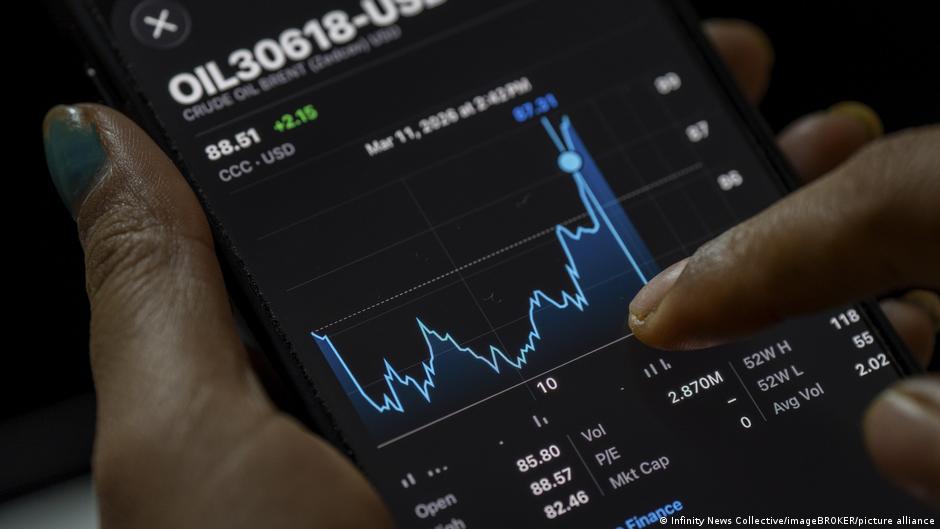
Oil prices have surged dramatically following US President Donald Trump's threats against Iran, a development that has reverberated through UK and European markets, sparking concerns over sterling volatility and energy supply stability. On April 29th, Brent crude oil for June delivery rose by 7.1% to $119.19 per barrel, briefly touching $119.76 — levels last seen during the early months of the Russia-Ukraine conflict.
Similarly, the US benchmark West Texas Intermediate (WTI) crude price climbed over 7.6%, crossing the $107 mark. This spike highlights renewed geopolitical risks in the Middle East and their immediate influence on global energy markets, which are closely monitored by British and European investors.
Implications for the UK and European Business Sectors
London’s financial markets reacted cautiously to the heightened tensions, with sterling experiencing pressure as investors weighed the risk of prolonged instability in oil supply. The potential for an extended blockade of the Strait of Hormuz—a critical chokepoint through which about 20% of global oil shipments pass—raises concerns for European energy security. Disruptions here could drive oil costs higher and exacerbate inflationary pressures across the continent.
“The risk of a sustained Iranian oil blockade poses significant challenges for European energy markets and the British pound, given the sector’s sensitivity to crude price volatility,” financial analysts noted.
Trump’s administration has reportedly tasked advisors with planning a long-term blockade of Iran. This strategy aims to maintain pressure on Tehran by obstructing oil exports and blocking Iranian vessels from entering or leaving ports, without resorting to direct military strikes. This approach is viewed as less risky by US officials than bombing campaigns or withdrawing from the tensions altogether.
The Pentagon disclosed that the ongoing conflict with Iran has already cost the United States $25 billion (approximately €21.4 billion), primarily on ammunition and military expenditures. Meanwhile, diplomatic efforts between the US and Iran have so far failed to yield a resolution. Direct talks held in Pakistan’s capital on April 11 did not produce agreements, and tensions escalated when President Trump announced US Navy control over the Strait of Hormuz shortly afterward. Tehran accused Washington of violating a ceasefire agreement.
For UK and European businesses, uncertainty over oil supplies may translate to increased operational costs and volatility in commodities markets. Traders in London and European financial centres are closely monitoring the developments, balancing the risks of supply disruptions with the potential for geopolitical escalation.
With the prospect of a protracted blockade and continued military posturing in the Middle East, the sterling’s performance and the London market’s resilience will be tested as investors react to fluctuating oil prices and shifting geopolitical dynamics.