Jean-Luc Mélenchon Confirms Candidacy for 2027 French Presidential Election
French left-wing leader Mélenchon announces run for president, posing new dynamics ahead of 2027 vote affecting UK-EU economic relations.
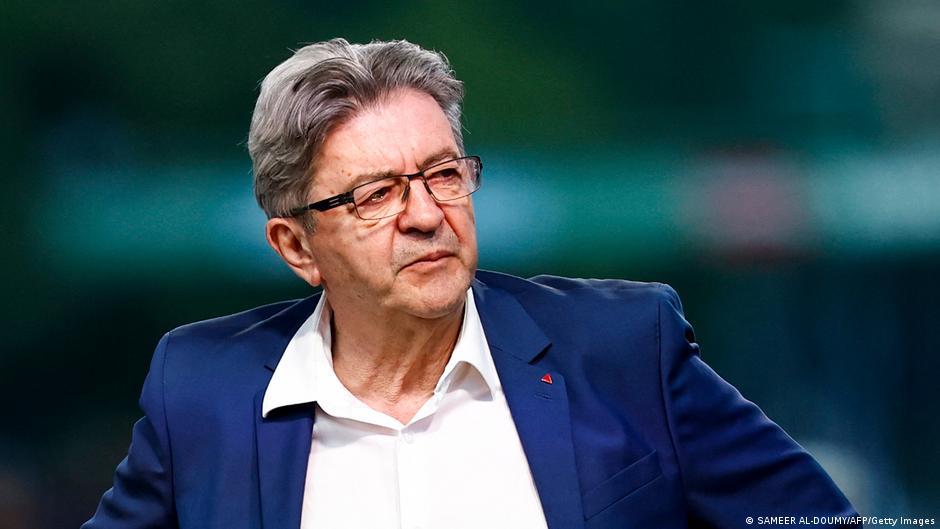
Jean-Luc Mélenchon, leader of the far-left party La France Insoumise (LFI), has officially confirmed his intention to run in the 2027 French presidential election. Mélenchon, a prominent figure in French politics, has run in previous elections and finished third in 2022 behind incumbent Emmanuel Macron and far-right candidate Marine Le Pen.
Implications for UK and European Markets
The announcement was made during a televised interview on TF1 on May 3, where Mélenchon cited the "context and urgency of the situation" as key reasons for his candidacy. At 74 years old, the politician is expected to position himself as a major contender against far-right challengers from the National Rally (Rassemblement National, RN), including party leader Jordan Bardella and former leader Marine Le Pen.
For UK and European business communities, Mélenchon's bid introduces new variables into the political landscape that could impact sterling and EU economic relations. The next French presidential election is scheduled for April 2027, and with incumbent President Emmanuel Macron barred from running due to term limits, the contest is wide open.
London markets, which closely monitor French political developments given France's role as a key EU partner, will be attentive to how Mélenchon's platform addresses EU integration, trade policies, and bilateral relations with Britain post-Brexit. His past campaigns have included proposals for significant economic reforms and increased social spending, which could influence the Eurozone’s fiscal environment.
"The context and urgency of the situation compel me to run," Mélenchon stated, highlighting his commitment to addressing France's socio-economic challenges.
Historically, Mélenchon's candidacies have garnered substantial support, with 22% of votes in the most recent election, underscoring his continued influence. As the election approaches, his campaign could affect investor confidence and currency markets, especially the euro and sterling exchange rates, considering the intertwined economic interests between the UK, France, and the broader EU.
Business leaders and policymakers in both the UK and Europe will be closely watching how Mélenchon's platform evolves and the potential policy shifts it may trigger in France, which remains one of the EU's largest economies and a strategic partner for the UK.