Kallas Urges EU Envoys to Extend Russia Sanctions as Deadline Looms
The EU’s sanctions debate is being watched in London and across Europe as governments weigh unity on Russia against disputes over individual listings.
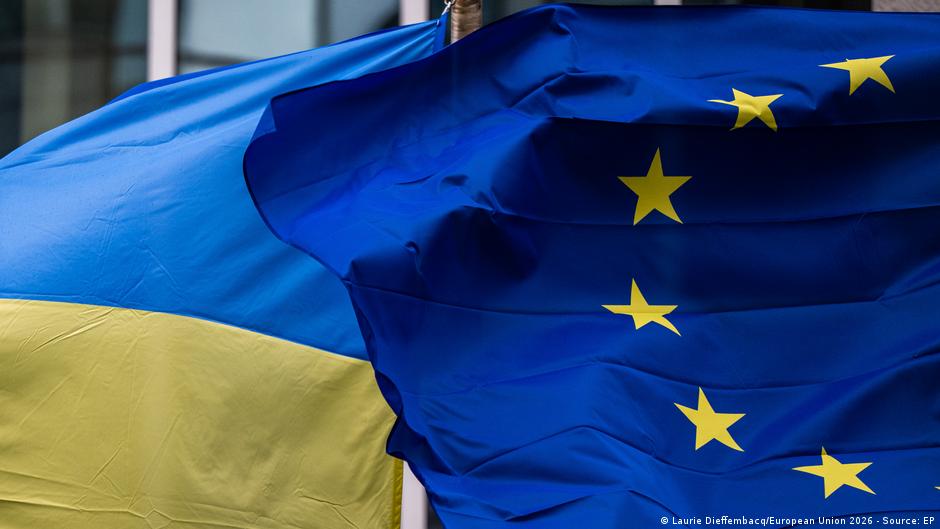
EU foreign policy chief Kaja Kallas has urged European Union ambassadors to extend sanctions against Russia over the war in Ukraine, after member-state envoys previously failed to agree on a six-month renewal amid disagreements over two Russian billionaires, Alisher Usmanov and Mikhail Fridman.
Speaking to journalists in New York on Monday, 21 September, Kallas said maintaining sanctions remained an essential part of the EU response to Moscow’s invasion and was intended to deprive Russia of financing. Her intervention came ahead of a further meeting of permanent representatives of EU member states, scheduled for the morning of 22 September.
“Sanctions are a key element of our response to the war unleashed by Russia,” Kallas said, according to AFP.
For British and European businesses, the renewed debate matters beyond Brussels procedure. EU sanctions lists shape compliance decisions for banks, insurers, commodity traders, law firms and asset managers operating across the continent, including in London. Even though the United Kingdom runs its own sanctions regime outside the EU, City institutions often track European decisions closely because clients, counterparties and assets can span multiple jurisdictions.
The talks also arrive at a sensitive moment for markets watching geopolitical risk, European policy cohesion and the broader economic cost of the war. Any uncertainty over the continuation of restrictive measures can add another layer of caution for investors exposed to European equities, energy flows, trade finance and sterling-denominated assets. The source report did not cite specific moves in sterling or London-listed shares, but the direction of EU policy remains relevant for London market participants managing sanctions risk and cross-border exposure.
Dispute Over Two Billionaires
According to Kallas, EU representatives are seeking to complete negotiations soon on extending the punitive measures against Russia and to ensure they take effect quickly. She stressed that the EU’s position remains unchanged and that Brussels is already working on a new sanctions package.
The next meeting of EU permanent representatives is expected to address whether sanctions should be lifted from Usmanov and Fridman while preserving restrictive measures against thousands of other individuals and organisations. The current debate follows a 14 September meeting at which EU ambassadors were unable to agree on another six-month extension of sanctions imposed over Russia’s violation of Ukraine’s territorial integrity.
At that earlier meeting, diplomats decided to prolong the existing regime temporarily while consultations continued, with the extension running until midnight on 22 September. The compressed deadline has increased pressure on member states to resolve their differences and avoid any perception that the bloc’s sanctions policy is fragmenting.
Sources speaking anonymously to DW said the disagreements were linked to Slovakia’s push to remove Usmanov and Fridman from the sanctions list. France, meanwhile, blocked the extension of the sanctions regime while seeking the removal of Usmanov, according to the same account. Reuters reported on 21 September, citing diplomatic sources, that Luxembourg also supported lifting punitive measures against Fridman.
Usmanov and Fridman are among the Russian businessmen whose status has been closely scrutinised since the EU and its allies began imposing wide-ranging sanctions after Russia’s full-scale invasion of Ukraine. For financial and legal advisers in Europe, any change to their designation would be significant because sanctions listings affect asset freezes, service restrictions and due-diligence obligations.
Implications for Europe and the UK
The EU’s ability to maintain a common line on sanctions has been a central feature of its response to Russia’s war. For Brussels, the issue is both strategic and economic: sanctions are designed to limit Moscow’s access to finance while signalling continued support for Ukraine. For businesses, however, the practical effect lies in the detail of who remains listed, which entities are affected and how quickly changes enter into force.
London’s financial sector is not directly governed by EU sanctions after Brexit, but it remains deeply linked to European capital markets. Banks, investment funds and professional services firms frequently apply controls that account for both UK and EU regimes, particularly when transactions involve European subsidiaries, euro clearing, cross-border lending or assets held in multiple jurisdictions. Divergence between Brussels and national capitals can therefore complicate compliance even when no immediate market price reaction is reported.
Sterling markets are also sensitive to wider European risk sentiment, especially when policy uncertainty intersects with the war in Ukraine, energy security and investor appetite for European assets. The latest sanctions deadline is not, by itself, a monetary policy event, but it forms part of the geopolitical backdrop that currency traders and corporate treasurers monitor when assessing exposure to the pound and the euro.
Ukraine has criticised the possibility of removing sanctions from both Russian billionaires. Ukrainian Foreign Minister Andrii Sybiha said Usmanov and Fridman had been placed on sanctions lists because of their belonging to the “Russian aggressive regime” waging a war of conquest against Ukraine. Nothing has changed since then, he said.
Kallas’s message ahead of the ambassadors’ meeting was that the EU should preserve its restrictive measures and continue developing further pressure on Russia. The outcome will be watched in Brussels, Kyiv and European financial centres, including London, as a test of whether the bloc can keep sanctions policy aligned while dealing with member-state objections over specific names.