Latvian Defense Minister Resigns After Drone Airspace Incident Impacting Baltic Security
Latvia’s defense minister steps down following drone incursions linked to Ukraine, raising concerns over Baltic airspace security and regional stability.
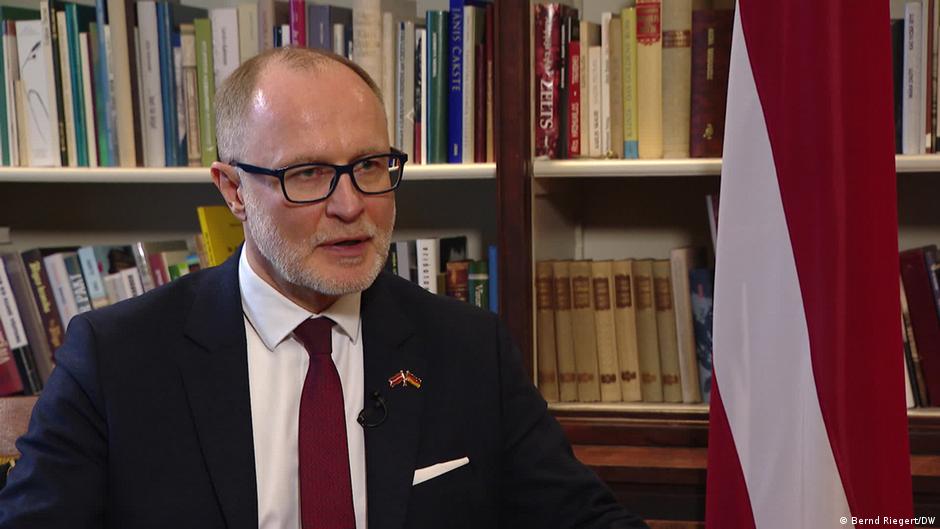
Latvian Defense Minister Andris Sprūds has resigned amidst mounting political pressure following an incident involving two drones that violated Latvia’s airspace. The drones, believed to have originated from Ukraine and intended for targets in Russia, entered Latvian territory near the Russian border, sparking security concerns in the Baltic region.
Impact on Baltic Security and Political Fallout
The incident, which took place on the night of May 7, saw one drone crash near an oil refinery in Rēzekne, raising alarms about the vulnerability of Latvian airspace and critical infrastructure. The Latvian Prime Minister, Evika Siliņa, publicly expressed a loss of confidence in the minister's ability to ensure airspace security and called for his resignation.
“I have decided to step down as defense minister to protect the Latvian army from being drawn into political campaigns,” Sprūds stated, emphasizing the importance of safeguarding Latvia's military from politicization.
Sprūds acknowledged that the drones were likely launched by Ukraine as part of its ongoing military operations against Russian targets. This acknowledgment highlights the broader context of the conflict in Eastern Europe and its spillover effects on neighboring countries and their security policies.
Ukraine, now in its fifth year of defending against a full-scale Russian invasion, has intensified strikes on Russian military and energy infrastructure. These operations have at times led to unintended encroachments into the airspace of EU and NATO members, including Finland and the Baltic states, raising complex questions about airspace sovereignty and alliance responses.
Broader Implications for the UK and European Markets
The drone incident and subsequent political upheaval in Latvia resonate beyond the Baltic region, influencing European security perceptions and market dynamics. London, as a key financial hub, closely monitors geopolitical stability in Eastern Europe given its implications for sterling and broader EU-UK economic ties.
Heightened tensions in the Baltics could affect investor confidence, especially concerning energy security and supply routes critical to European markets. Additionally, the incident underscores the challenges NATO faces in balancing support for Ukraine with the protection of allied airspace, a factor that could influence British defense commitments and expenditures.
Estonian Defense Minister Hanno Pevkur has also called on Ukraine to exercise enhanced control over its drone operations, reflecting wider Baltic concerns about unintended consequences from ongoing hostilities. These developments may lead to increased NATO air patrols and investment in regional defense, potentially impacting defense sectors in the UK and across Europe.
As the situation evolves, the London market and European policymakers will be attentive to further developments in Baltic security, weighing their potential effects on currency valuation, energy prices, and defense industry engagements.