Former German Foreign Minister Annalena Baerbock to Join Columbia University Faculty in New York
Annalena Baerbock will take on a teaching role at Columbia University following her term as UN General Assembly President.
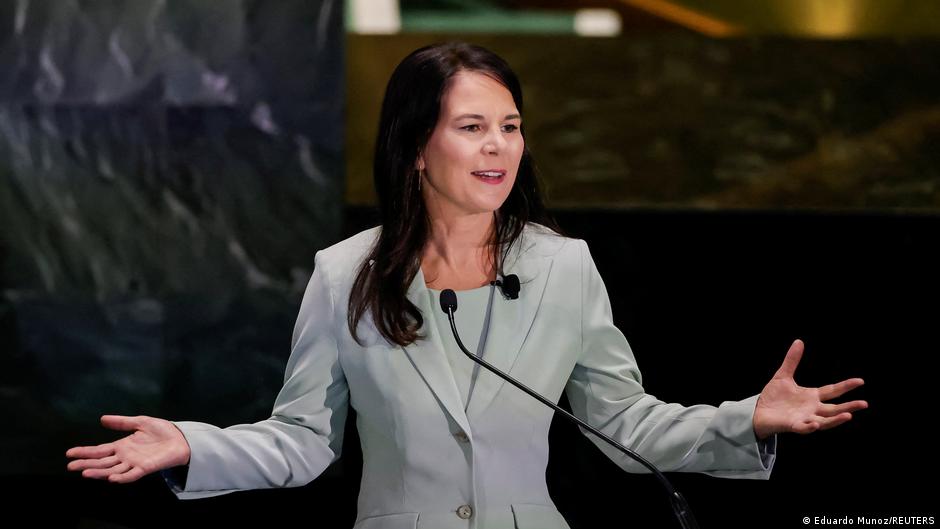
Former German Foreign Minister Annalena Baerbock is set to join Columbia University in New York as a co-director of its Master of Public Administration in Global Leadership program, marking a significant transition from European politics to academia in the United States.
Baerbock’s New Role and Its Significance
Following the conclusion of her term as President of the United Nations General Assembly, Baerbock will serve in a practical, leadership-oriented academic position at Columbia's School of International and Public Affairs (SIPA). Her appointment, lasting three years, will see her also act as a guest lecturer and public speaker on global leadership. This role does not represent a traditional research professorship but emphasizes practical engagement with policy and governance education.
"After moving to New York, I find comfort in the city's diversity," Baerbock remarked during her early tenure at the UN, highlighting her appreciation for the global hub's multicultural environment.
Baerbock’s upcoming academic tenure in New York aligns with her expressed preference not to leave the city after her UN service ends in September 2025. Her appointment underscores the growing transatlantic exchange of knowledge and expertise between Europe and the US, particularly relevant to British and EU audiences interested in global governance and international diplomacy.
Implications for UK, EU, and London Markets
Baerbock’s move to Columbia University comes at a time when London continues to position itself as a global financial and diplomatic gateway between Europe and the Americas. Her presence in New York—one of the world’s key financial centers alongside London—may facilitate enhanced dialogue on international policy issues that impact global markets, including the sterling and euro zones.
For UK and European business communities, Baerbock’s involvement in shaping future global leaders through SIPA's program offers potential long-term benefits. Her expertise and experience in European politics and international relations could foster stronger transatlantic collaborations, influencing regulatory frameworks and international business strategies that affect sterling and EU interests.
Moreover, Baerbock's position may reinforce the importance of maintaining robust diplomatic and educational exchanges between London and New York, which remain vital for sustaining economic resilience amid evolving geopolitical challenges.
Historical Context and Career Path
Baerbock is not the first German foreign minister to transition into academia after a political career. Joschka Fischer, a fellow Green Party politician and former Foreign Minister and Vice-Chancellor of Germany, notably lectured on foreign policy at Princeton University after leaving office. Fischer also advised international energy infrastructure projects and major corporate entities like Siemens AG.
This precedent illustrates a recurring pattern of experienced European politicians leveraging academic platforms in the US to influence policy and public discourse, an exchange that continues to enrich international relations education and policymaking.
As Baerbock embarks on this next chapter, her role at Columbia University will likely strengthen Europe's intellectual and diplomatic presence in New York, while providing UK and EU stakeholders with valuable insights into global leadership trends and cross-continental cooperation.