US Removes Syria from Terror Sponsor List, Impacting UK and EU Economic Interests
Washington's decision to delist Syria marks a significant shift with implications for British and European markets and sterling exchange rates.
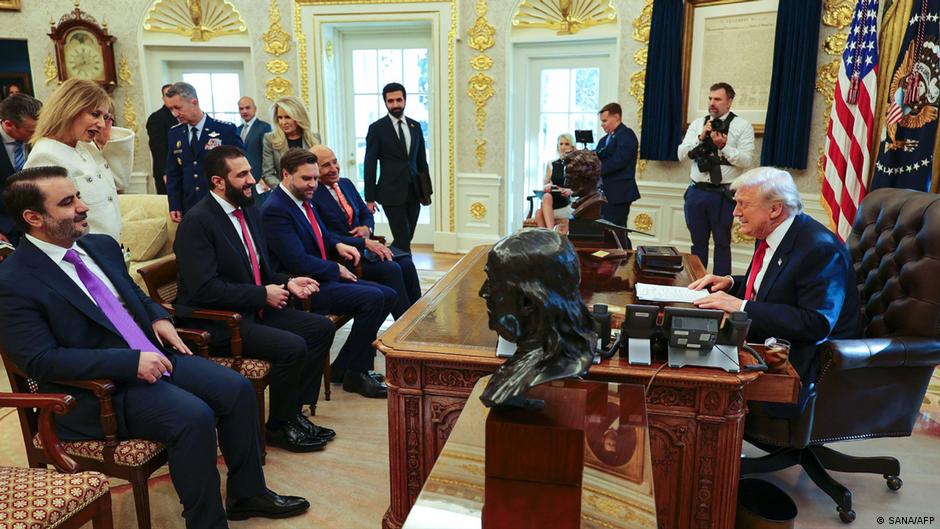
The United States government has officially removed Syria from its list of state sponsors of terrorism, a designation that had been in place for nearly five decades. This move signals a major shift in US foreign policy under the Trump administration, aimed at normalizing relations with Damascus and potentially reintegrating Syria into the global economic system.
The US Treasury Department announced the removal of Syria from the sanctions list on August 24, also lifting restrictions on the group Hayat Tahrir al-Sham (HTS), which assumed power following the overthrow of the Assad regime. Scott Bessent, head of the Treasury, emphasized that these steps aim to attract investment to Syria to stabilize the country's political and economic landscape.
Implications for UK and European Business
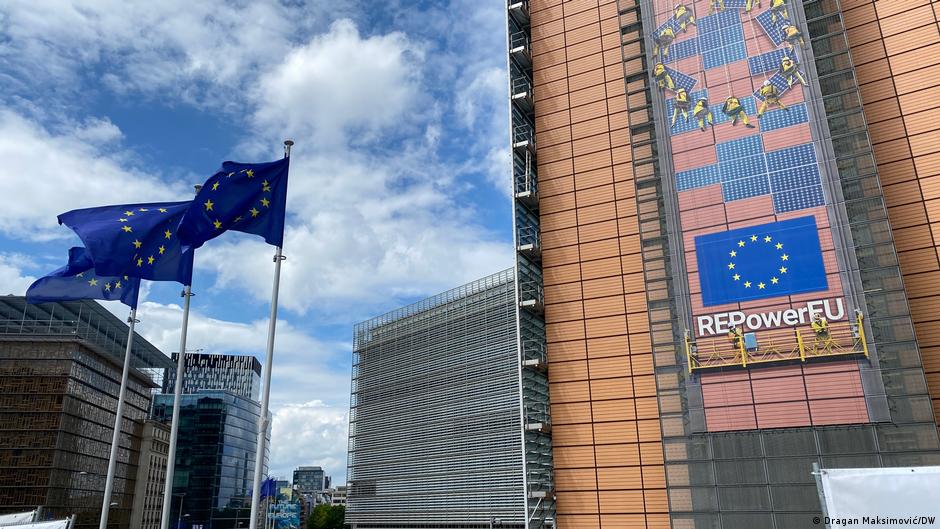
For the United Kingdom and the European Union, Syria’s delisting presents both opportunities and challenges. With the easing of sanctions, there is potential for renewed trade and investment in Syria’s reconstruction and energy sectors. British firms engaged in infrastructure, technology, and financial services could find new openings as Syria seeks to rebuild its economy and integrate into global markets.
“This historic decision opens a path for Syria’s deeper integration into the global financial system, inviting investment and modern technologies,” stated Syrian interim Finance Minister Mohammed Barniya.
However, market analysts in London note a cautious approach due to ongoing regional security concerns. The sterling exchange rate may experience volatility as investors weigh geopolitical risks against new economic prospects. Additionally, the European Union officially recognizes the Golan Heights as occupied Syrian territory, a factor complicating diplomatic and business engagements.
The transitional Syrian government has expressed commitment to transparency and mutual respect in its international dealings, which may reassure Western investors. Nevertheless, persistent tensions with neighboring Israel and Turkey, including recent Israeli airstrikes on Syrian airfields, underscore continuing instability that could impact market confidence.
Furthermore, the UK's financial sector could play a key role in facilitating investment flows, provided regulatory frameworks adapt to the evolving geopolitical landscape. With Washington removing sanctions gradually and encouraging partnerships against terrorism, London’s position as a global financial hub could strengthen through emerging Syria-related business avenues.
In summary, while the US decision to delist Syria marks a turning point, British and European stakeholders must navigate a complex environment balancing opportunity against enduring security and political risks.