Moscow Exchange Market Manipulation Case Raises Concerns for UK and EU Investors
Russian court restricts accused manipulators amid allegations of 28 million rubles illicit gains impacting Moscow Exchange trading.
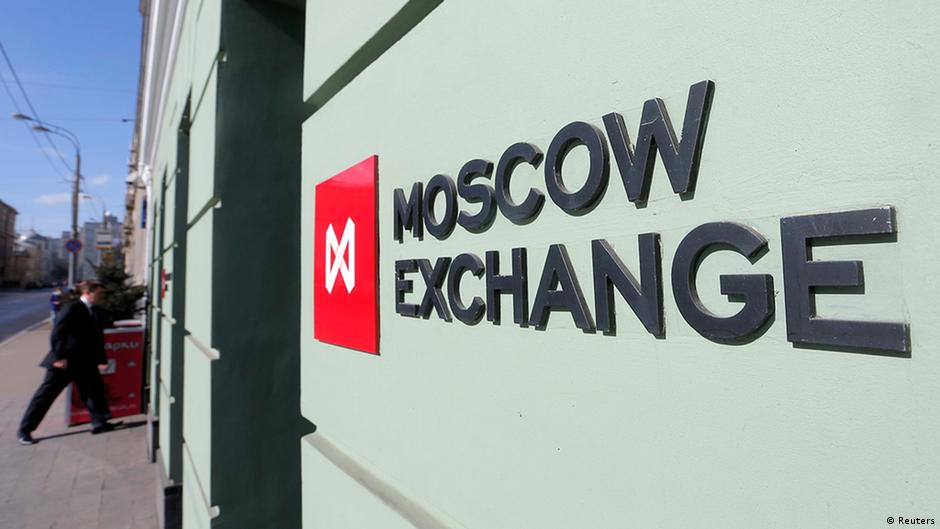
The Basman District Court of Moscow has imposed restrictions on individuals accused of manipulating prices on Russia's Moscow Exchange through Telegram channels. The case has significant implications for British and European investors closely watching developments in Russian financial markets and their impact on sterling and London trading floors.
Details of the Allegations and Judicial Measures
On April 27, the court granted the prosecution's request to impose a set of prohibitive measures on Ilya Marochenkov and Gavriil Romanenko, who stand accused of market manipulation during financial instrument trades on the Moscow Exchange. Investigators claim the defendants, allegedly part of an organized group, earned excessive profits exceeding 28 million rubles (approximately £310,000).
"According to the investigation, the organized group participants extracted undue income exceeding 28 million rubles," the court's official statement said.
Both suspects have partially admitted guilt, indicating some level of cooperation with authorities. Earlier, Russian authorities detained three men suspected of systematically influencing securities prices through their Telegram channels. These channels—namely "RynkiDengiVlast | RDV," "Signals RCB," and "Wolf of Mosbirzhi"—posted calls to buy or sell specific assets, directly affecting market quotations.
Potential Impact on British and European Interests
With a combined audience nearing 300,000, these Telegram channels had a broad reach, raising concerns regarding market integrity and transparency. For UK and EU investors, who hold substantial exposure to Russian assets and monitor ruble-sterling exchange fluctuations, such manipulative practices threaten market stability.
London's financial institutions, trading Russian securities and derivatives, must now navigate increased regulatory scrutiny and potential volatility linked to enforcement actions back in Moscow. The ripple effects could influence sterling exchange rates and trading volumes in the City, especially amid ongoing geopolitical and economic tensions.
Moreover, the Central Bank of Russia responded swiftly with 10 regulatory injunctions, citing violations of federal laws aimed at combating insider trading and market manipulation. The orders targeted not only Romanenko and the Marochenkovs but also Vladislav Panteleev, a partner at PFL Advisors, the investment firm implicated in the probe.
Legal Proceedings and Broader Market Implications
The Russian Investigative Committee confirmed the criminal case against the PFL Advisors organized group. Investigators allege the group influenced securities prices and then sold those assets at inflated prices, executing over 55,000 illicit transactions. Such systemic manipulation poses significant risks to market fairness and investor confidence.
For British and European stakeholders, these developments underscore the challenges of investing in emerging markets with evolving regulatory environments. London's position as a global financial hub depends on transparent and reliable markets worldwide, and incidents like this prompt reassessment of risk management and due diligence protocols.
As the investigation unfolds, market participants in the UK and EU will closely monitor the Moscow Exchange's response and any regulatory reforms introduced to prevent future abuses. The case serves as a cautionary tale about the interconnectedness of financial markets and the necessity of robust oversight mechanisms.