US Halts Diplomatic Flights to Pakistan for Iran Talks Amid Strategic Calculations
President Trump suspends US envoy travel to Pakistan, signaling shift in negotiation dynamics with Iran affecting global markets and UK interests.
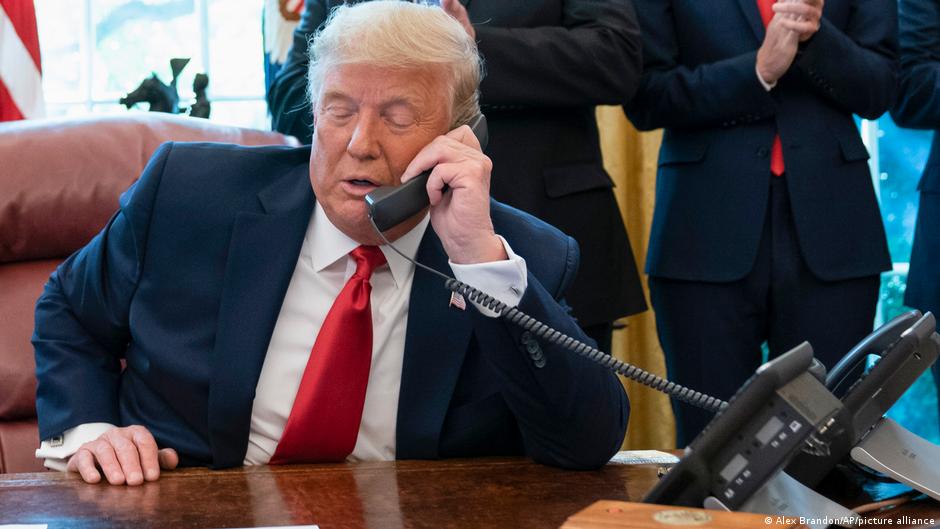
US President Donald Trump announced that American officials will no longer be flying to Pakistan to negotiate with Iran on ending the conflict, marking a strategic shift in US diplomacy that has implications for British and European markets, particularly in London.
US Redefines Diplomatic Engagement with Iran
In a Sunday interview on Fox News, Trump emphasized that the United States holds the upper hand in the conflict with Iran and that there is no need for American delegates to make lengthy trips to Pakistan for face-to-face talks. "If they want to talk, they can come to us or call," Trump said, highlighting the availability of secure communication channels, though he expressed some skepticism about complete security of any phone line.
Trump criticized the inefficiency involved in sending envoys overseas: "We’re not going to send people on an 18-hour journey to meet. Too much time is wasted on travel, too much work!" He also underscored internal disarray among Iranian negotiators as a complicating factor, stating, "No one knows who’s in charge, including themselves. Plus, we hold all the cards, and they have none!"
Just one day prior, Trump canceled the scheduled trip of US negotiators Stephen Witkoff and Jared Kushner to Islamabad, where a new round of talks was planned for late April.
Implications for UK and European Business Interests
"We hold all the cards, and they have none." — President Donald Trump on US leverage over Iran
The suspension of direct US diplomatic engagement in Pakistan comes amid ongoing regional tensions that have significant ramifications for global energy markets and financial centers, including London. The UK and EU remain closely linked to developments in the Middle East due to trading relationships and the use of sterling in commodity transactions.
The continued pause in hostilities in the Middle East, initially set for two weeks, has been extended at Iran's request, according to Trump. This extension offers a fragile window of stability for British and European businesses with exposure to oil supply routes through the Strait of Hormuz, a critical chokepoint affecting global energy prices and market volatility.
London-based investors and traders are monitoring Washington’s diplomatic posture carefully, as any escalation or breakdown in talks could lead to disruptions impacting sterling and European markets. The US blockade of Iranian ports, announced shortly after the initial ceasefire, and Iran’s insistence on lifting these sanctions before further progress can be made, continue to complicate the geopolitical landscape.
Next Steps and Outlook
Iranian Foreign Minister Abbas Araghchi, who represented Iran in the negotiations, recently left Pakistan after presenting Tehran's realistic framework for ending hostilities. He remarked, "It remains to be seen how seriously the US is committed to diplomacy." This uncertainty adds to market concerns as European stakeholders weigh the prospects for a negotiated peace.
Meanwhile, Trump maintains that Iran must abandon its nuclear ambitions, which he cites as the root cause of the conflict involving the US and Israel. This hardline stance might affect future negotiations and market confidence.
For British and European business interests, the evolving diplomatic strategy of the US signals the need for vigilance and adaptation as transatlantic relations and Middle Eastern stability intersect with financial markets and energy security.