Hungarian PM Madyar to Discuss EU Funds Unblocking with European Commission Amid New Government
New Hungarian government seeks EU budget funds previously blocked under Orbán’s administration, signaling potential shifts for UK and EU markets.
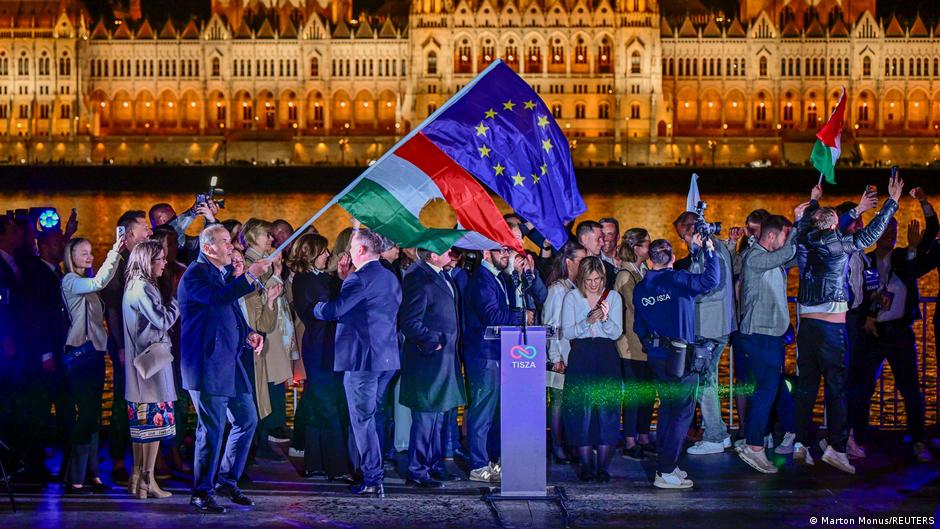
Hungary’s incoming Prime Minister, Péter Madyar, is set to meet with European Commission President Ursula von der Leyen this week to negotiate the release of billions of euros in EU funds that were frozen during Viktor Orbán’s tenure. This move could have implications for European economic dynamics, including the UK and London financial markets.
Background: EU Funds Blocked Under Orbán
Under Viktor Orbán’s government, the European Commission blocked tens of billions of euros in funding to Hungary, citing concerns about the country’s adherence to EU democratic standards and core values. These funds include subsidies aimed at supporting Hungary’s poorer regions, post-pandemic economic aid, and defense credits.
According to European Commission sources, the total frozen amount reaches approximately €35 billion, including over €17 billion in defense credits frozen as recently as March 2026.
"Time is of the essence," Madyar emphasized in a social media post announcing his upcoming Brussels visit.
Following Orbán’s replacement by Madyar’s party, "Tisa," the European Commission promptly opened dialogues to consider unfreezing the funds, contingent upon Hungary meeting several conditions. These include domestic reforms to align with democratic norms and renewed efforts to engage constructively with neighbouring Ukraine.
Implications for UK and European Markets
The unblocking of these EU funds is closely watched by UK and European businesses, as Hungary represents a significant market within the EU. The release of financial aid could stimulate Hungarian economic growth, benefiting regional trade and investment flows.
For London, the development underscores the evolving post-Brexit relationship with the EU, especially in financial services and cross-border investment. Stability and reform within Hungary could encourage more robust investment opportunities for UK-based firms operating in Central Europe.
Moreover, the negotiations may impact the euro-sterling exchange rate, as positive signals about EU cohesion and economic stability often influence currency markets. Analysts predict that progress in unblocking funds may bolster confidence in the eurozone’s economic prospects, with knock-on effects for sterling.
While the outcome remains uncertain, the talks between Madyar and von der Leyen mark a pivotal moment for Hungary’s integration within EU economic frameworks and present potential opportunities for British and European investors seeking stability in Central Europe.