Hungarian PM Orban Resigns Parliamentary Seat Amid Fidesz Leadership Shift
Viktor Orban declines parliamentary mandate to focus on party reorganisation while new government under Peter Madiar signals policy changes.
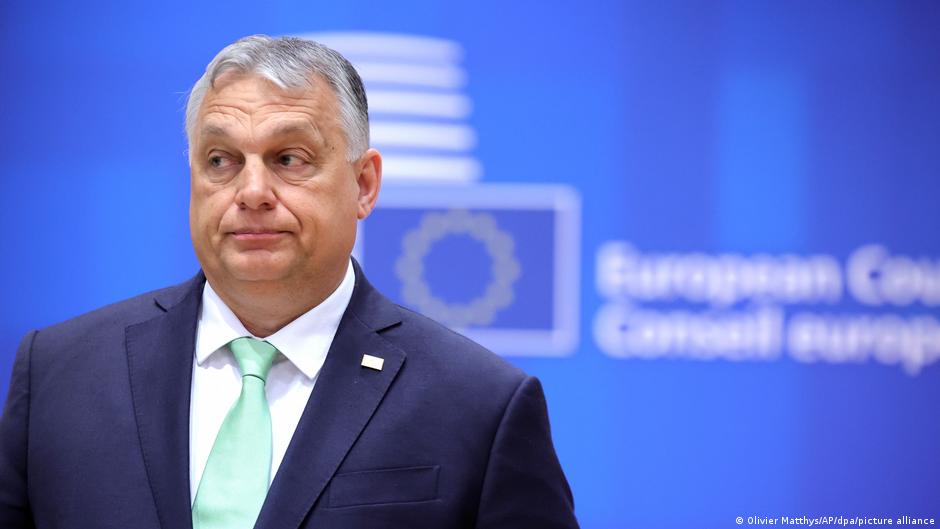
Viktor Orban, Hungary's outgoing Prime Minister following the defeat of his Fidesz–Hungarian Civic Alliance in recent parliamentary elections, has announced his decision to forgo his parliamentary mandate. The move marks a significant political transition in Hungary with potential implications for British and European Union interests, particularly in the context of EU budgets and regional stability.
Orban’s Withdrawal and Fidesz Leadership Update
In a statement released on social media on April 25, Orban explained that the parliamentary seat he won as the lead candidate on the Fidesz-Christian Democratic People's Party (KDNP) coalition list effectively belongs to the party rather than to him personally. He asserted that his current focus is not on parliamentary duties but on "reorganising the national movement".
Following Orban's decision, Gergely Gulyás, former head of the Prime Minister's Office, is slated to become the new leader of the Fidesz/KDNP parliamentary faction. Despite stepping back from parliament, Orban confirmed his intention to remain party chairman, a matter to be addressed at the Fidesz party congress in June.
Incoming Government and Policy Reversals
The victorious party in the April elections, Tisza, led by Peter Madiar, is expected to assume government leadership with Madiar formally taking office as Prime Minister on May 9. Madiar has already indicated plans to reverse several policies implemented under Orban's administration, signalling changes that could affect EU relations and the broader geopolitical landscape.
"Hungary will halt its withdrawal from the International Criminal Court and cease blocking EU credits and sanctions related to Ukraine," Madiar stated.
This includes stopping the process initiated by Orban to exit the International Criminal Court (ICC), a move prompted by Hungary's hosting of Israeli Prime Minister Benjamin Netanyahu despite an ICC arrest warrant against him. Madiar also declared an end to Hungary's obstruction of a €90 billion EU loan package to Ukraine and the imposition of sanctions against Russia.
These developments come after reports that Hungary approved the EU credit following Ukraine's resumption of Russian oil transits via the "Druzhba" pipeline to Hungary. However, Madiar clarified that Hungary would not directly participate in financing Ukraine.
Impact on UK and EU Interests
Orban’s longstanding close ties with both Russian President Vladimir Putin and Netanyahu had fostered an image of Hungary as a somewhat unpredictable partner within the EU and NATO frameworks. His departure from an active parliamentary role and the advent of a government promising greater alignment with EU policies could improve EU cohesion and stability in the region.
For the UK, closely watching post-Brexit EU developments, Hungary's policy shift may ease some trade and political uncertainties, particularly given London's interest in a stable Eastern European market. Sterling could benefit from reduced geopolitical risk perceptions if the new Hungarian government adopts a more EU-friendly posture.
Moreover, London-based investors and businesses with ties in Central Europe might see this as a positive signal, potentially fostering a more predictable investment climate. The London Stock Exchange and UK financial markets could react favorably to reduced regional tensions, especially concerning sanctions enforcement and EU funding flows.
Looking Ahead
While Orban remains influential as party leader, his retreat from parliamentary responsibilities marks a notable moment for Hungary’s political landscape. The incoming administration under Madiar appears set to recalibrate Hungary’s international alignments, with direct implications for EU cohesion and the broader European business environment.
The UK and EU will closely monitor these changes, particularly concerning energy transit routes, sanction enforcement, and judicial cooperation mechanisms, all of which bear directly on economic and political stability in the region.