German AfD Politician Expelled Over Hitler-Style Speech Amidst Party Turmoil
Alexander Eichwald's expulsion from Germany's right-wing AfD highlights internal conflicts with implications for European political stability and UK market confidence.
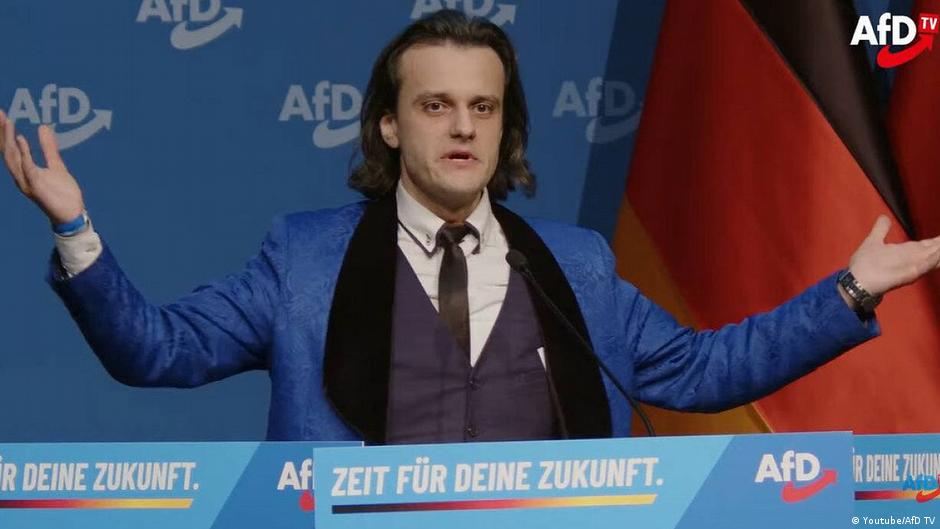
The Alternative for Germany (AfD) party’s disciplinary court has expelled 30-year-old Alexander Eichwald, a Russia-born German politician, following controversy over his speech that mimicked Adolf Hitler’s manner of speaking. The decision, announced on April 25, 2026, underscores ongoing tensions within the right-wing populist party, which has faced criticism across Europe for its nationalist rhetoric.
Controversy Surrounding Eichwald’s Speech and Its Wider Implications
Eichwald gained notoriety in late November 2025 after delivering a speech at the AfD's youth wing congress in North Rhine-Westphalia. His speech, characterized by exaggerated gestures and a distinctive pronunciation of the letter "r," closely resembled Adolf Hitler’s oratory style. Eichwald attributed this vocal mannerism to his Russian upbringing and a childhood spent learning German through Rammstein songs, explaining his accent.
"I did not perform a parody or satire but portrayed a persona to hold a mirror to society," Eichwald stated, defending his actions as a planned demonstration highlighting alleged neo-Nazi tendencies within the AfD leadership.
Despite this explanation, the party's disciplinary court deemed Eichwald’s behavior damaging to AfD's reputation. He retains the right to appeal at the federal arbitration court of the party and has expressed intent to do so, rejecting the expulsion.
This internal dispute occurs amid heightened scrutiny of far-right movements in Europe, with concerns about political extremism impacting not only Germany but also wider EU stability and transatlantic relations. For the UK, Germany’s largest trading partner and a key European economic player, such political instability invites caution among investors and financial markets.
London-based investors have been monitoring developments within Germany’s political landscape closely, as AfD’s growing influence has previously affected perceptions of European Union political cohesion. The controversy surrounding Eichwald adds another layer of uncertainty, with potential ripple effects on the euro and the British pound’s exchange rates.
While Eichwald claims his speech was an effort to expose extremist views within AfD, the party itself has struggled with public image issues, exacerbated by remarks from senior members, including co-chair Alice Weidel's controversial comments equating Hitler and Stalin as "spiritual brothers"—a statement Eichwald criticized sharply, highlighting the party’s internal discord.
The ongoing strife within AfD serves as a reminder of the challenges that right-wing populist parties pose to European political stability. For British and European businesses, political unpredictability in Germany—the EU's largest economy—raises concerns about regulatory consistency, market confidence, and the direction of future economic cooperation.
As Eichwald recently posted a video on YouTube reaffirming his controversial speech style and readiness to repeat it, the AfD faces continued scrutiny. Market watchers in London and Brussels remain attentive to how Germany manages this internal political crisis, given its implications for broader European integration and economic partnerships.