Russia Allows Euro-3 Gasoline Sales Until 2026, Impacting EU Fuel Standards and London Markets
Russia extends use of outdated Euro-3 fuel standard with higher sulfur limits, complicating EU-Russia fuel trade and influencing sterling market reactions.
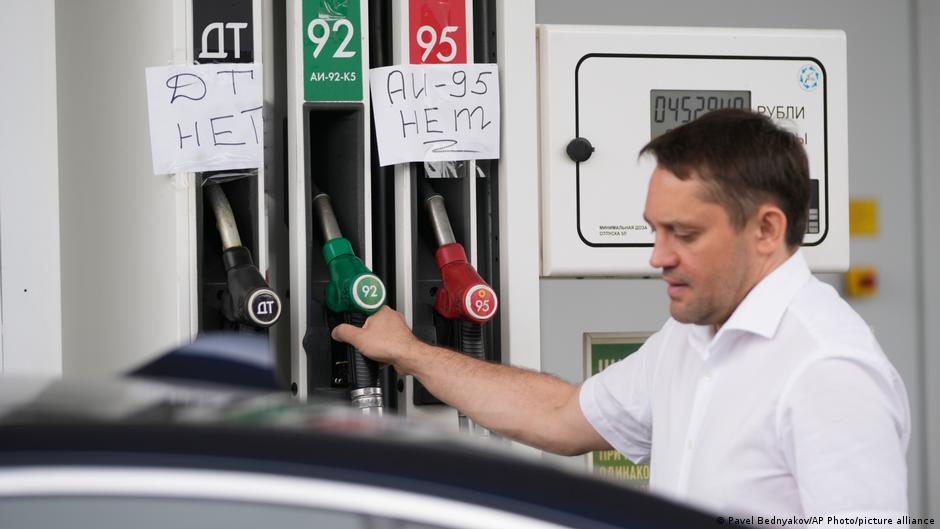
The Russian government has authorized the circulation of gasoline and diesel fuel meeting the obsolete Euro-3 environmental standard until the end of 2026. This decision marks a significant divergence from European Union (EU) fuel regulations and carries implications for British and European energy markets, as well as the sterling currency.
Relaxed Fuel Standards Amidst Energy Supply Challenges
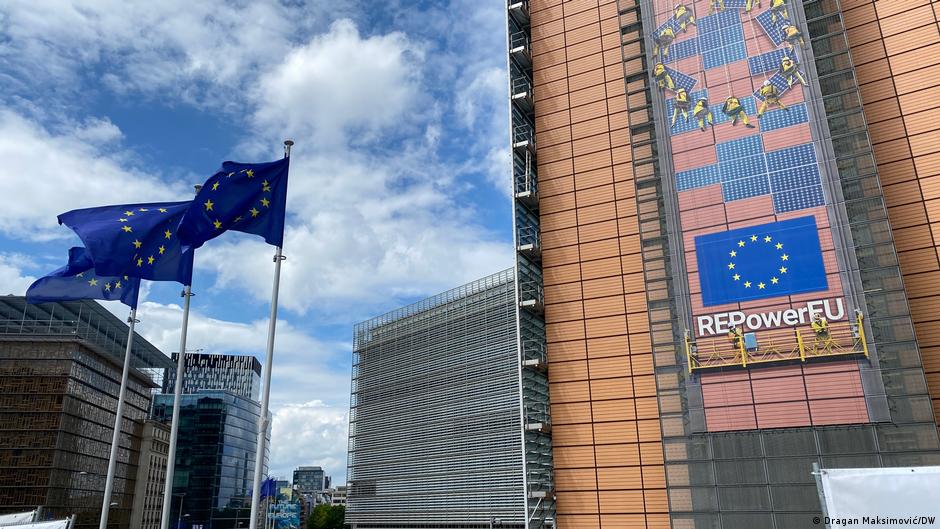
The regulation, signed by Russian Prime Minister Mikhail Mishustin and published on July 2, allows fuels with elevated sulfur content — up to 150 mg/kg in gasoline and 350 mg/kg in diesel. This stands in stark contrast to the EU's more stringent Euro-5 standards, which limit sulfur content to just 10 mg/kg, reflecting growing environmental commitments across the continent.
"This move forms part of preventive measures to avoid destabilization of Russia’s internal energy market," stated the Russian Ministry of Energy.
The decree permits certain Russian refineries to produce and distribute Euro-3 standard fuel domestically, but explicitly restricts export of such fuel to other Eurasian Economic Union (EAEU) countries. This restriction signals Russia's intent to shield neighboring markets from lower-quality fuel and avoid trade friction with nations adhering to stricter standards.
Earlier reports suggested that Russia may extend allowances for Euro-2, Euro-3, and Euro-4 fuels' production and circulation until July 2027, potentially lifting import limits on these grades as well. Euro-2 sales have been banned in Russia since 2013, highlighting the significant regulatory rollback underway.
Implications for the UK and European Markets
Russia’s decision to revert to less stringent fuel quality standards is primarily driven by a severe fuel supply crisis triggered by ongoing Ukrainian military strikes on Russian oil refineries, including the key Moscow-based "Kapotnya" refinery. Damaged facilities have forced a reduction in domestic fuel output, with Russian gasoline production reportedly down 25% year-on-year to 85,000 tonnes per day, compared to summer consumption of 110,000 tonnes daily.
For the UK and EU, this development raises concerns over the quality and reliability of fuel imports from Russia, a historical supplier to European markets. Although Russia is limiting exports of Euro-3 fuel within the EAEU, the broader geopolitical context and fuel shortages could disrupt energy supply chains that impact London’s commodity and derivatives markets.
Currency markets have also reacted cautiously. Sterling, sensitive to energy price volatility and trade disruptions, faces additional pressure amid uncertainty surrounding oil and refined products supplies from Russia. These supply challenges could influence inflation trends and monetary policy decisions in the UK, further connecting Russian energy policy to British economic outcomes.
Industry analysts note that the reintroduction of lower-grade fuels may temporarily ease production constraints for Russian refineries by allowing the use of crude oil without deep processing. However, such fuels pose environmental and safety risks, especially for modern vehicles designed for higher fuel standards.
Overall, this regulatory rollback in Russia complicates the EU’s efforts to maintain strict environmental standards and secure stable, high-quality fuel supplies. London-based energy firms and investors must monitor these developments closely, as they shape regional energy market dynamics and influence sterling exchange rates.