Russian Strikes on Ukraine Intensify, Raising Concerns for UK and EU Markets
Continued Russian attacks on Ukrainian regions cause casualties and prompt heightened vigilance in London financial sectors.
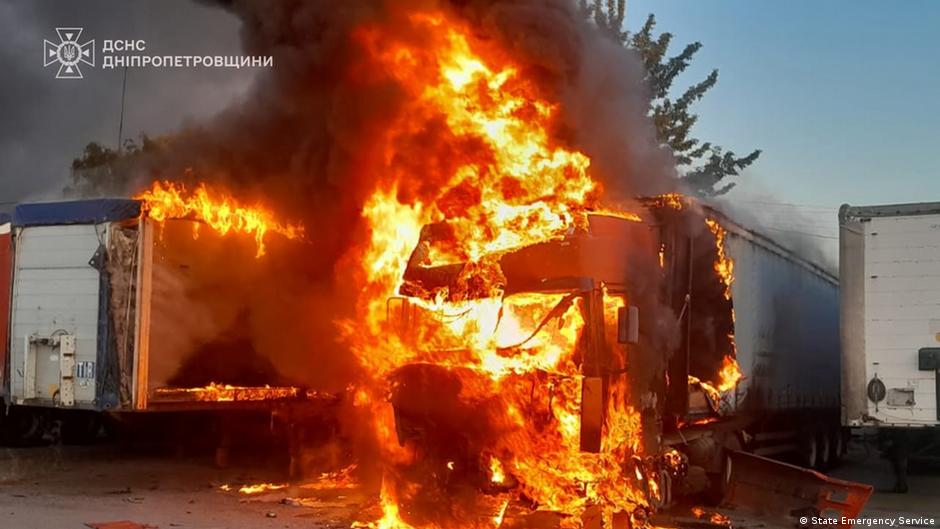
On July 2, Russia launched a series of daytime and evening strikes across multiple Ukrainian regions, following a deadly night assault on Kyiv recognized as the most lethal since the start of the conflict. These ongoing attacks have significant implications for UK and European business interests, particularly concerning market stability and sterling fluctuations.
Impact of Russian Military Actions on UK and EU Economic Interests
The strikes targeted key Ukrainian regions including Kherson, Zaporizhzhia, Dnipropetrovsk, Mykolaiv, Kharkiv, Sumy, and Kramatorsk, resulting in multiple casualties, including civilians and children. Such escalations exacerbate regional instability, which resonates in London’s financial markets and among European investors assessing risk exposure.
In Kherson, a civilian vehicle was hit resulting in the death of a 41-year-old man; a medical facility was also targeted, killing a 63-year-old doctor and injuring a nurse. Drone attacks were noted particularly near strategic infrastructure such as the Kherson oil refinery. The ongoing drone raids, some occurring as late as 22:35 local time, underscore the persistent threat to Ukrainian infrastructure.
Zaporizhzhia witnessed strikes on residential buildings, commercial warehouses, a sorting center operated by a major logistics company, and a sports facility, injuring seven people, including children aged from six to sixteen years. In Dnipropetrovsk, approximately 40 aerial and artillery attacks killed two, including a seven-year-old girl, and injured nine others.
Mykolaiv suffered drone attacks targeting gas stations and residential homes, resulting in one death and seven injuries. In Kharkiv, a multi-story residential building was struck, causing injuries to three people and damage to vehicles and a fuel station. Sumy was attacked with guided bombs damaging a school and other civilian structures, with eleven seeking medical help, including children.
These military developments have immediate economic repercussions. London’s financial markets, closely monitoring geopolitical risks, have shown increased volatility. Sterling's valuation is subject to fluctuating investor confidence due to the conflict’s potential to disrupt European supply chains and energy markets, which are intrinsically linked to UK economic stability.
"Heightened conflict in Ukraine continues to cast a shadow over UK and European market confidence, impacting sterling and investment flows," noted a market analyst.
Investors and businesses across the UK and EU remain vigilant, balancing humanitarian concerns with economic interests. The sustained attacks on Ukraine’s infrastructure threaten to prolong uncertainty in commodity prices and trade routes, challenging the resilience of European markets. Policymakers in London and Brussels are likely to monitor these developments closely, preparing contingency measures to mitigate financial risks.
As the conflict persists, the interplay between military actions and economic stability underscores the importance of coordinated UK and EU responses, both in terms of humanitarian aid and safeguarding market integrity.