Russian Ballistic Missile Strikes on Kyiv Escalate Security Concerns Amid UK and EU Economic Interests
Russian missile attacks on Kyiv and surrounding regions raise urgent security issues impacting British and European markets and defense strategies.
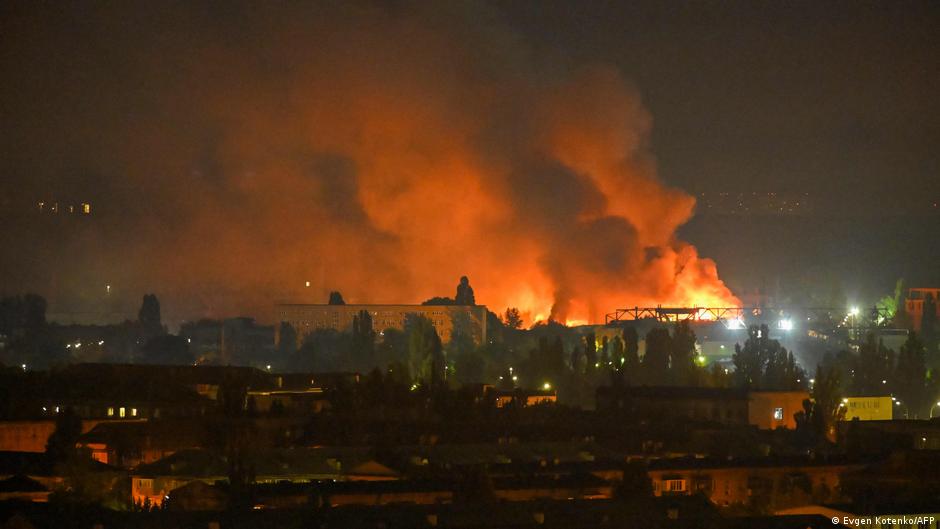
In the early hours of August 5, Russian forces launched a significant missile strike against Kyiv and its surrounding oblast, resulting in casualties and widespread damage. The attack highlights increasing security challenges for Ukraine, with potential repercussions for British and European economic and defense interests, particularly in London’s financial markets.
Details of the Attack and Casualties
The Russian military targeted Kyiv with ballistic missiles that caused fires and damaged non-residential buildings across several districts including Obolonsky, Desnyansky, and Holosiivskyi, as well as in a nearby suburb. Kyiv’s mayor, Vitali Klitschko, confirmed that a private residence was destroyed in the Holosiivskyi district, with possible casualties trapped under the rubble.
Preliminary reports from the Kyiv City Military Administration indicate one fatality and at least 12 injured within the city limits. Ukraine’s State Emergency Service reported a total of 15 wounded in Kyiv following the attack.
In the Kyiv oblast, the strike affected Bucha, Brovary, and Fastiv districts, with one confirmed death in Bucha and dozens of civilians wounded—21 across the oblast, including 13 in Brovary, 3 in Fastiv, and 5 more in Bucha.
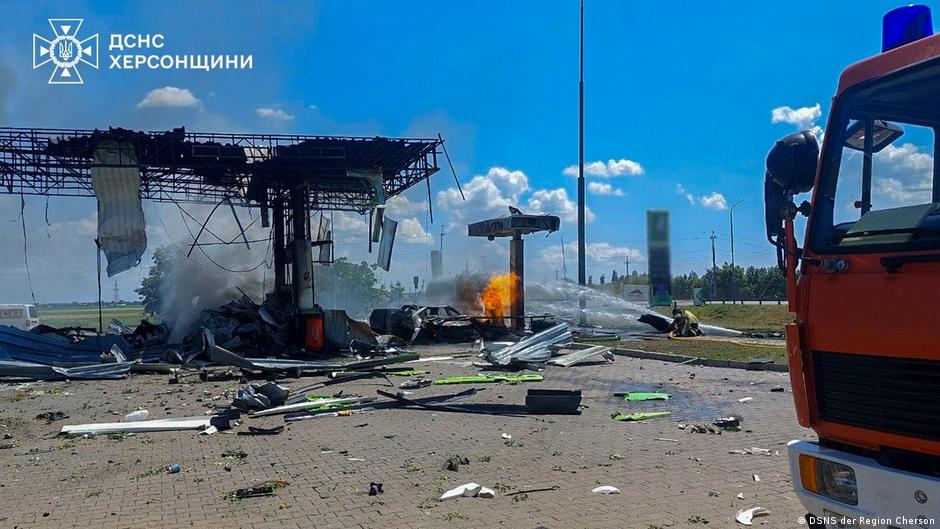
Emergency services noted fires at logistic and warehouse complexes, manufacturing facilities, and commercial sites notably in Brovary and Bucha, while Fastiv experienced fire outbreaks at an industrial enterprise.
Wider Military Context and Implications for British and European Markets
Ukraine's Air Force reported additional missile and drone strikes in the same timeframe hitting regions such as Odesa, Zaporizhzhia, Dnipropetrovsk, Kharkiv, and Mykolaiv. The Russian military continues to employ both unmanned aerial vehicles and ballistic missiles extensively since the onset of the full-scale invasion.
Notably, on August 4, the Ukrainian Air Force confirmed a ballistic missile launch from Russia’s Rostov region, specifically an "Iskander-M" missile, alongside an assault involving 136 kamikaze drones—a missile that Ukrainian defenses failed to intercept.
"Ukraine faces growing challenges in repelling missile attacks due to shortages of American Patriot missiles," Ukrainian President Volodymyr Zelensky recently stated, underscoring the critical need for enhanced Western military support.
This shortage of Patriot missile inventory complicates Ukraine’s ability to defend against the Russian ballistic missile threat, which has significant implications for the UK and EU. London’s financial markets are closely monitoring geopolitical stability, as escalating conflict risks induce volatility in sterling and European equities, while policymakers assess the security of energy and supply chains linked to the region.
For British and European business interests, the intensification of missile attacks highlights vulnerabilities in regional security that could affect trade, investment, and defense cooperation. The UK’s continued support for Ukraine’s air defense capabilities is pivotal in safeguarding broader European stability and protecting critical economic links.