Russian Petroleum Product Output Drops Nearly 22% in June, Impacting UK and EU Energy Markets
Russian fuel production declines sharply amid ongoing conflict, prompting concerns for British and European energy supply stability.
In June 2026, Russia experienced a significant contraction in its petroleum product production, with output declining by nearly 22% compared to the same period last year, according to official Russian statistics. This downturn has raised concerns across the British and European energy sectors, given Russia's pivotal role in regional energy supplies and the potential impact on sterling and London markets.
Production Decline Amid Conflict and Market Strains
Data released by the Russian Federal State Statistics Service (Rosstat) on 22 July revealed that the petroleum product production index fell by 21.8% year-on-year in June. This sharp decline follows a 13.5% fall recorded in May, underscoring a deepening contraction in Russia's fuel production capabilities.
Rosstat calculates monthly production indices based on the value of representative product baskets, adjusted to constant prices using 2023 as the base year. However, detailed figures on the physical volume of petroleum products produced remain undisclosed, as per government restrictions.
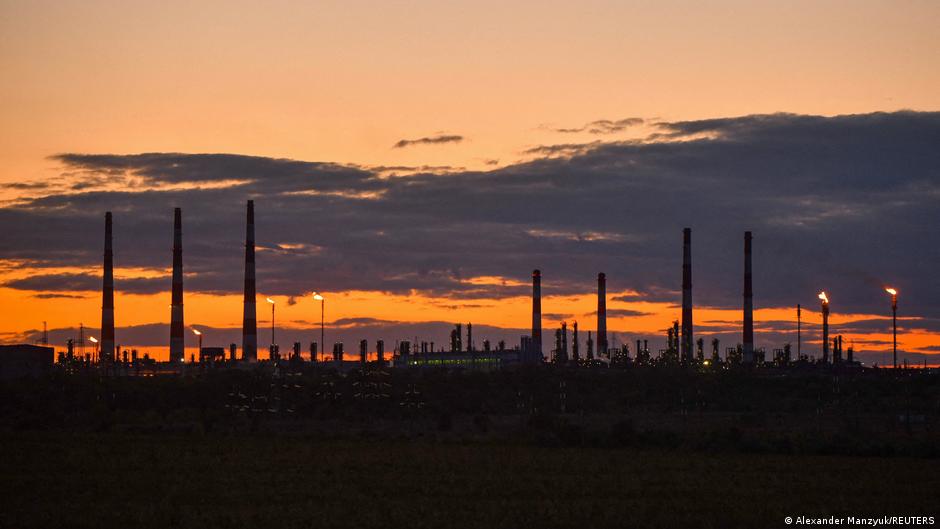
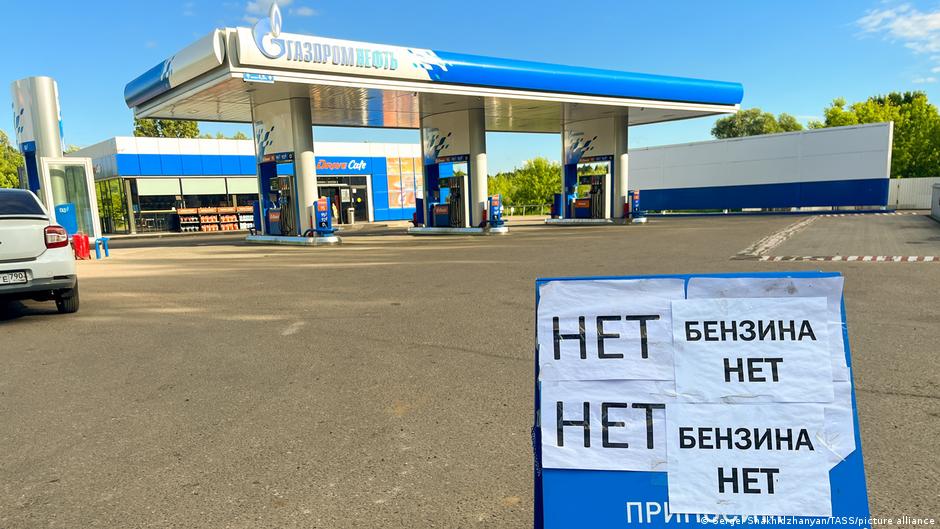
This production drop is occurring amid intensified military actions in Ukraine, which have targeted Russian oil infrastructure. A Reuters analysis estimates that approximately 25% of Russia's oil refining capacity has been disrupted due to Ukrainian drone strikes and counterattacks, exacerbating fuel shortages. Several Russian regions have reportedly imposed fuel sales restrictions as a result.
"The ongoing conflict has severely impacted Russian refining capabilities, destabilizing fuel supplies crucial to European energy markets."
Price Trends and Market Implications in the UK and EU
While fuel production has contracted, price growth in Russia has slightly decelerated. The week ending 20 July saw gasoline prices rise by 1.7%, down from a 2.3% increase the previous week. Diesel prices increased by 1.9%, a slowdown from a 3.2% jump earlier.
For the UK and European Union, this production slump signals potential volatility in energy markets. Russian petroleum products are integral to the broader European fuel supply chain, and disruptions can fuel price instability in sterling-denominated energy contracts and affect trading volumes on the London market.
Energy analysts warn that ongoing supply constraints may exert upward pressure on fuel prices across European markets, challenging efforts to stabilize inflation and energy costs. London-based trading desks and commodity brokers will be closely monitoring developments as geopolitical tensions persist.
Outlook for British and European Interests
The downturn in Russian fuel production amid the conflict introduces new complexities for British and European energy security strategies. Policymakers in London and Brussels face increased urgency to diversify energy sources, accelerate alternative fuel adoption, and reinforce market resilience against supply shocks.
Despite Russian authorities claiming partial market stabilization, the depth of production cuts and infrastructure damage suggests sustained challenges ahead. This dynamic may influence sterling's performance against other currencies, as energy market uncertainty often impacts investor sentiment and capital flows.
Overall, the significant reduction in Russian petroleum product output underscores the interconnectedness of geopolitical conflict and energy market dynamics, with direct implications for UK and European business interests.