Russia’s Crude Oil Exports Hit Highest Level Since Early 2026 Amid Global Market Shifts
Russia boosts seaborne oil shipments to record highs despite US-Iran negotiations and falling global prices.
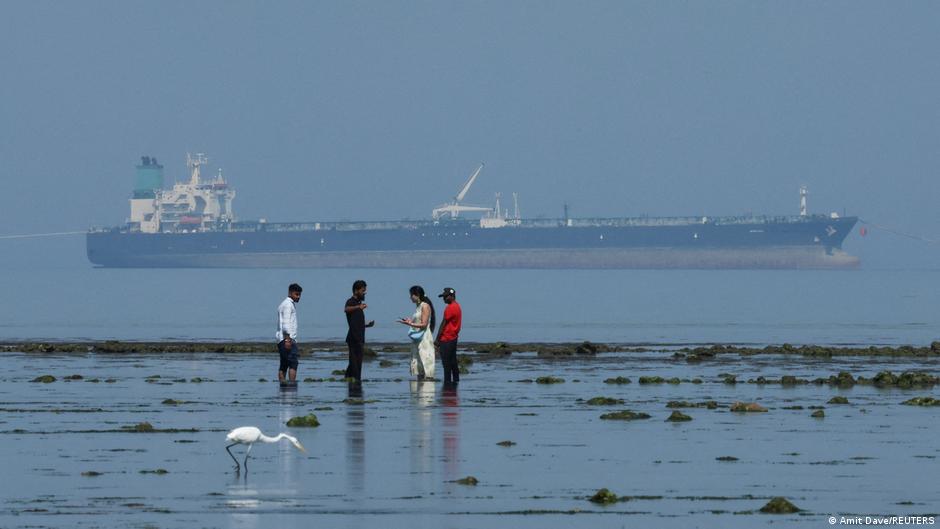
Russia's seaborne crude oil exports reached their highest weekly volume since early 2026, according to recent data analyzed by Bloomberg. This surge comes amid easing US sanctions on Russian oil shipments and renewed competition from Iranian oil entering global markets following diplomatic progress between the US and Iran.
Record Russian Oil Exports Amid Market Realignments
Between June 15 and June 21, 38 tankers loaded a total of 28.79 million barrels of Russian crude, averaging 4.11 million barrels per day—the largest weekly volume since the start of 2026. This volume exceeds the average annual export levels Russia has maintained since the full-scale invasion of Ukraine began, signaling a significant rebound in Moscow’s oil trade.
Crucially, these shipments are actively en route to international markets rather than idling at sea, highlighting Russia's intent to maintain its market presence despite geopolitical challenges.
The recent increase in Russian oil exports was facilitated by a temporary US suspension of sanctions on Russian crude already at sea. This measure, effective until June 17, was aimed at mitigating global fuel supply disruptions caused by the blockage of the Strait of Hormuz amid tensions involving Iran. While the US has not announced an extension of this waiver, it temporarily allowed Russia to capitalize on existing shipments without penalty.
"The temporary lifting of sanctions has enabled Russia to sustain and even increase its crude oil shipments during a period of intensified competition and falling prices," market analysts noted.
However, this record export volume coincides with a marked decline in global oil prices. Following a memorandum of understanding between the US and Iran that reopened the Strait of Hormuz and lifted port blockades affecting Iran, the influx of Iranian crude has driven down international oil prices by approximately 16%.
Price tracking by Argus Media reveals that Russian oil grades, particularly Urals and ESPO, have depreciated by around 20% over the past week. Bloomberg further highlights recent attacks by Ukrainian forces on Russian refineries, potentially forcing Russia to export more raw crude rather than refining domestically, which could further depress prices.
Iran’s renewed oil presence also threatens to displace Russian Urals crude in key markets such as India. To retain its customer base, Russia may need to increase export discounts, intensifying competition on pricing and impacting revenues.
Implications for the UK and European Markets
For the UK and European business sectors, these developments carry multifaceted consequences. London’s oil trading hubs and financial markets are closely monitoring the evolving supply dynamics and price volatility resulting from these geopolitical shifts.
The temporary suspension of US sanctions on Russian oil shipments underscores the complex interplay between energy security concerns and geopolitical strategy. European refiners and traders may find opportunities to source competitively priced Russian crude, yet they must also navigate regulatory uncertainties and potential reputational risks linked to sanctions compliance.
Moreover, the downward pressure on global oil prices benefits European consumers and businesses through reduced energy costs, although it poses challenges for oil producers and investors in the sector.
Given the fluidity of sanction policies and regional security developments, stakeholders in the UK and EU energy markets will need to maintain vigilant risk assessments and adaptive strategies to manage supply chain and pricing risks.