US Senate Votes to End Military Action Against Iran Amid Partial Ceasefire
Senate backs resolution urging Trump to withdraw troops as diplomatic talks with Iran advance, impacting UK and EU markets.
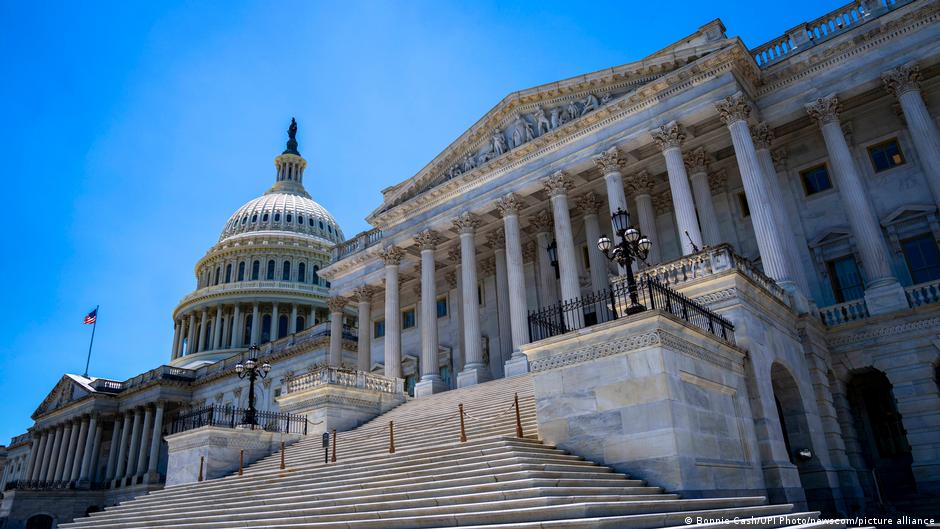
The United States Senate has voted in favour of a resolution calling for an end to military actions against Iran, signaling growing congressional concern over ongoing hostilities. The resolution, passed by a narrow margin of 50 to 48 votes, urges President Donald Trump to withdraw American forces from conflict zones involving Iran.
Although the resolution holds symbolic weight rather than binding legal authority, its passage highlights increasing unease among US lawmakers—including Republicans—about the protracted conflict that began in February 2026. The House of Representatives had previously approved the measure, reinforcing Congressional intent to assert more control over military engagement decisions.
Implications for UK and European Markets
For the UK and European Union, this development comes at a critical juncture. The prospect of a potential de-escalation in Middle East tensions could ease volatility in energy markets, easing pressure on sterling and euro exchange rates. London’s financial markets are sensitive to geopolitical risk in the Gulf, given Europe's reliance on oil and gas imports from the region.
"The resolution reflects a shift in US policy approach that could stabilise oil prices and benefit European economies dependent on energy imports," analysts note.
Despite the White House downplaying the resolution’s impact, the vote nevertheless signals Congressional impatience with the conflict’s duration. The Trump administration has dismissed the resolution’s significance, citing the absence of active combat operations following the ceasefire on 17 April 2026.
However, intermittent strikes have continued between US and Iranian forces. Mid-June 2026 saw Washington and Tehran sign a two-month memorandum of understanding aimed at halting hostilities across all fronts, including Lebanon, lifting sanctions on Iran, and establishing a fund for Iran's reconstruction.
Ongoing negotiations between the US and Iran remain fluid. President Trump recently indicated that agreements have been reached on key issues such as nuclear oversight, sanctions relief, and secure shipping through the strategic Strait of Hormuz. Notably, Tehran has consented to international inspections of its nuclear sites, a development that could pave the way for broader diplomatic progress.
For London and European capitals, a durable US-Iran détente would reduce geopolitical risk premiums embedded in energy prices and financial markets. This could provide respite for sterling against the dollar and support more stable investment conditions across European exchanges, which have been rattled by Middle East tensions.
Looking ahead, market participants are closely monitoring Congressional dynamics in Washington and diplomatic moves in the Gulf. The Senate resolution, while non-binding, marks an important political statement that may influence US foreign policy and ultimately European economic stability.