Trump Team Weighs Lifting Sanctions on Russian Investment Fund
A potential US sanctions shift could reopen Russian diesel flows, with implications for European energy costs, sterling and London markets.
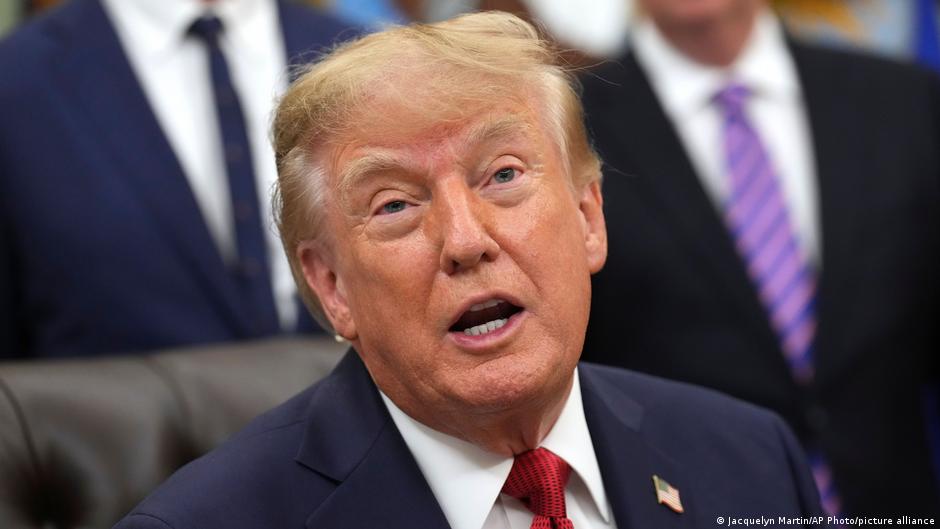
The Trump administration is considering lifting sanctions on the Russian Direct Investment Fund, according to The New York Times, as Moscow presses for the state-backed fund to participate in Russian diesel supplies to the United States.
The reported review gives the issue direct relevance for Britain and the European Union. Any substantial return of Russian diesel to world markets could influence wholesale fuel prices, European refining margins and transport costs, although the report provided no specific evidence of an immediate move in sterling or London-listed shares.
For UK investors, the central question is whether Washington is contemplating a narrow measure intended to facilitate fuel shipments or a broader change in its approach to Russian sanctions. Either outcome could affect expectations for energy prices and inflation, two factors closely watched by the Bank of England and currency markets.
US Treasury reviewing Russian fund's application
The New York Times reported on Tuesday, October 27, citing people familiar with US-Russian negotiations, that the US Treasury is examining the fund's request under its ordinary procedures. Under that process, the Russian Direct Investment Fund would have to demonstrate that the grounds on which sanctions were imposed no longer apply.
Moscow is seeking the removal of restrictions so the fund can take part in supplying Russian diesel to the United States, the newspaper said. During Joe Biden's presidency, US authorities described the fund as a financial vehicle closely associated with Russian President Vladimir Putin.
According to the newspaper, the previously unreported sanctions discussion shows how the Kremlin is using diplomacy surrounding the war in Ukraine to advance an agenda that appears to have little connection with securing peace.
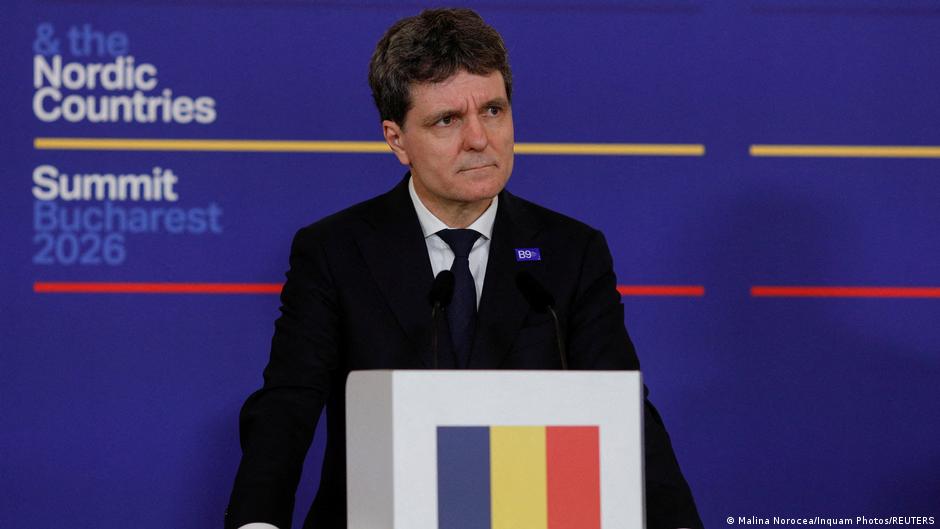
The fund is led by Kirill Dmitriev, a central participant in Russian-US talks, including discussions concerning the war in Ukraine. Dmitriev has promoted Kremlin proposals for possible joint business projects between Russia and the United States and has met repeatedly with representatives of the current US administration.
The Russian Direct Investment Fund was established in 2011 to attract foreign investment into Russia. Its projects included Russia's Sputnik V vaccine during the COVID-19 pandemic.
The Biden administration imposed sanctions on the fund four days after Russia launched its full-scale invasion of Ukraine. At the time, the US Treasury said that although the organisation was formally a sovereign investment fund, it was widely regarded as Putin's slush fund and as a prominent example of the kleptocracy associated with Russia's system of government.
Diesel volumes could matter for Europe
President Donald Trump said in an October 9 post on Truth Social that he had held “very successful” talks with Putin and reached an agreement covering supplies of Russian diesel to the United States and the wider world market.
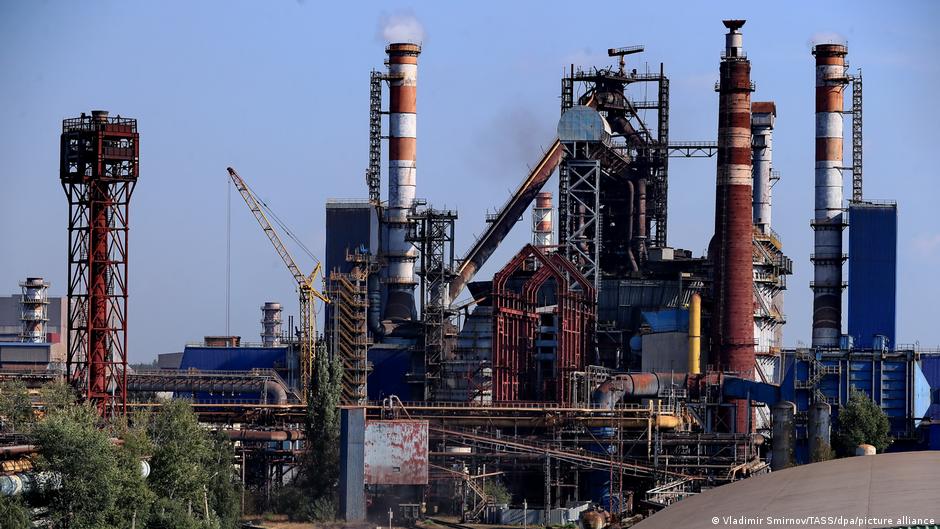
Trump said Russia would immediately deliver more than 300,000 tonnes of diesel to US and global markets, followed by another 500,000 tonnes during November and 1 million tonnes after that. Depending on the condition of Russian oil refineries, Moscow would then provide an additional 3 million tonnes within a short period, he said.
The proposed volumes are potentially important for European fuel markets because diesel prices feed directly into road freight, industrial distribution and consumer costs. Britain is particularly exposed to changes in internationally traded energy prices, while European businesses continue to contend with the economic consequences of the war and the sanctions imposed on Russia.
Trump argued that Russian energy supplies, together with what he called full US control of the Strait of Hormuz, would cause diesel prices to fall rapidly and substantially for Americans and the rest of the world.
On the same day, the US Treasury announced that its Office of Foreign Assets Control, acting on the president's instructions, was immediately issuing a temporary general licence allowing Russian diesel to be supplied to the global market. Putin later formally confirmed both the telephone conversation with Trump and the agreements concerning Russian petroleum-product deliveries to world markets.
London watches sanctions policy and inflation risks
For London markets, any sustained decline in diesel prices could ease cost pressures on airlines, logistics companies, retailers and manufacturers. Lower imported energy costs could also reduce UK inflationary pressure, a development that would ordinarily be relevant to interest-rate expectations and sterling. Conversely, a wider relaxation of restrictions on Russian entities could raise new questions for banks, commodity traders and insurers responsible for sanctions compliance.
The report did not detail a reaction in the pound, UK equities or European markets, and it remains unclear whether the Treasury review will result in sanctions being removed. The distinction between a temporary licence for diesel trading and the removal of restrictions on a Russian sovereign investment fund will therefore be critical for British and EU companies assessing their legal and commercial exposure.
European governments will also be watching whether Washington's approach remains aligned with their own sanctions frameworks. A unilateral US decision would not automatically remove UK or EU restrictions, leaving businesses to navigate potentially divergent rules while assessing whether additional Russian fuel can materially lower prices.