Ukraine Rules Out NATO Membership, Eyes New Security Alliances Including UK-Led JEF
Ukraine's former military chief signals shift away from NATO accession, emphasizing British-led Joint Expeditionary Force and emerging European defence blocs.
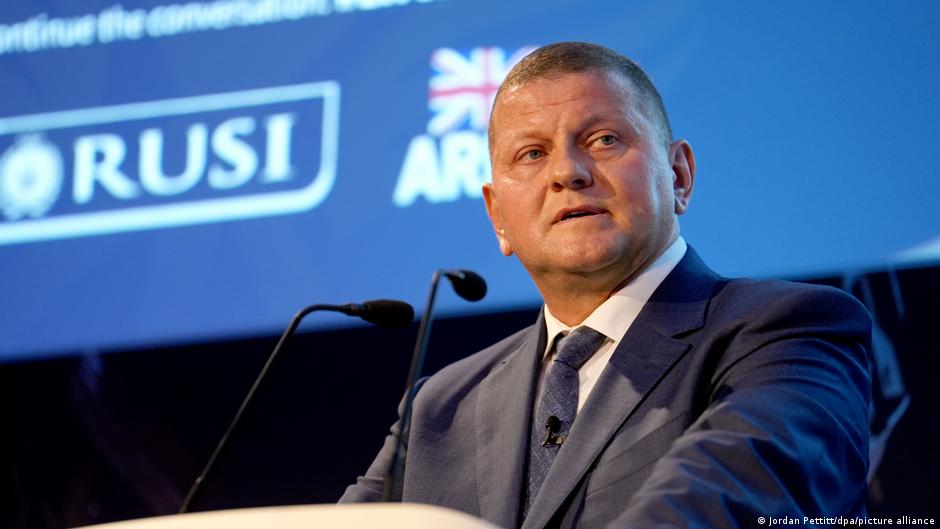
Ukraine will never join NATO due to fundamental doctrinal mismatches between the alliance and the Ukrainian Armed Forces (UAF), stated Valeriy Zaluzhnyi, Ukraine's ambassador to the UK and former commander of the UAF. However, he stressed that Kyiv still requires access to NATO technologies, particularly in missile defence.
UK-Led Security Cooperation Gains New Relevance for Ukraine
Speaking at a gathering of Ukrainian ambassadors in Kyiv on August 3, Zaluzhnyi expressed skepticism about Ukraine's NATO membership prospects and highlighted the importance of alternative defence partnerships. When asked about Ukraine’s cooperation with the Joint Expeditionary Force (JEF)—a UK-led security coalition of ten Northern European states—Zaluzhnyi acknowledged JEF's potential while critiquing NATO's current strategic framework.
"I have known NATO well, having worked for over a decade to align our forces with NATO standards. But the promise of impending membership has always been just a story. Unfortunately, we will never join NATO," Zaluzhnyi remarked.
He explained that Ukraine's present military development level cannot meet NATO’s standards, which he described as rooted in outdated doctrines dating back to World War II. Zaluzhnyi predicted that NATO would likely maintain its structure for the foreseeable future and that Ukraine would need at least 12 years to reach even half the military capability of Russia.
Despite these challenges, the ambassador emphasized Ukraine’s ongoing need for advanced technologies from NATO countries, particularly in anti-missile defence systems like the US Patriot batteries. These systems are critical for countering Russia's sustained missile attacks amid the ongoing conflict.
As an alternative, Zaluzhnyi advocated for Ukraine's integration into emerging defence blocks such as the JEF. Established in 2015 and led by the UK, the JEF comprises Denmark, Finland, Estonia, Iceland, Latvia, Lithuania, the Netherlands, Sweden, and Norway. Its mission is regional security in Northern Europe, including the Baltic and Arctic zones.
Ukraine was granted enhanced partner status with the JEF in December 2025, reflecting closer ties with the coalition. The JEF works alongside NATO to contain Russian maritime activities and has signalled readiness to counter Russia’s "shadow fleet"—a reference to covert Russian naval operations.
However, Zaluzhnyi lamented Ukraine’s limited engagement with the JEF, attributing it to the coalition's currently weak command structures and insufficient organisation to meet Ukraine’s needs. The JEF presently lacks a formal collective defence obligation, which complicates Ukraine's full integration.
For London and the broader EU, these developments underline the strategic importance of British-led security structures post-Brexit. The UK's role at the forefront of the JEF offers London a continued influence on European defence matters, while providing Kyiv with vital security ties that complement but do not replace NATO cooperation.
As the war in Ukraine persists, sterling markets and defence sectors in London may see increased engagement due to growing demand for advanced military technology and security partnerships. The UK’s leadership in the JEF positions London as a key hub for coordinating European security responses outside of NATO’s traditional framework, benefiting British defence manufacturers and strategic interests.