US Imposes New Sanctions on Cuban State Firms Impacting Global Trade and Sterling Markets
Washington targets five Cuban state-owned companies controlling 40% of the island’s GDP amid escalating tensions, affecting UK and EU business interests.
The US government has escalated its economic pressure on Cuba by imposing new sanctions on five key state-owned enterprises that account for approximately 40% of the country’s GDP. These measures have significant implications for British and European businesses engaged in trade and investment in the Caribbean, as well as for the London financial markets sensitive to geopolitical risk.
Sanctions Target Cuba’s Economic Powerhouses Linked to Military-Controlled Conglomerate
On June 23, the US Treasury announced targeted restrictions against five Cuban firms, three of which are affiliated with Grupo de Administración Empresarial S.A. (GAESA), a conglomerate controlled by Cuba’s Revolutionary Armed Forces. GAESA is estimated to manage around $14.5 billion in liquid assets and plays a central role in the island’s export, import, investment, and steel production sectors.
These sanctions limit the companies’ ability to engage in foreign financial operations, directly affecting international business transactions. British exporters and EU investors with ties to Cuba’s commodity and manufacturing sectors could face increased compliance risks and potential disruption in supply chains.
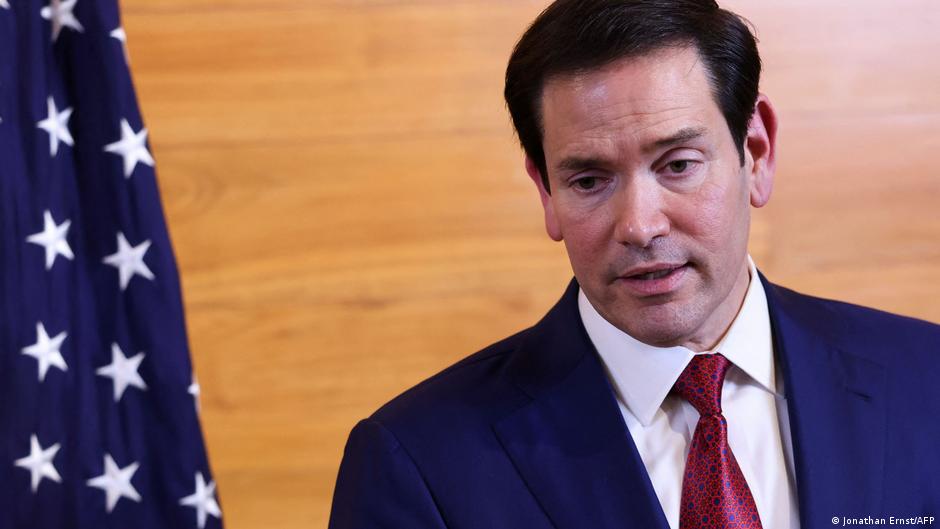
"The Cuban regime uses GAESA not only for enriching itself but also to fund repression, espionage, and anti-American activities," stated US Secretary of State Marco Rubio.
Rubio emphasized that these sanctions aim to cut off sources of revenue that support Cuba’s authoritarian government. The restrictions also extend to the spouse of Alejandro Castro, head of Cuba’s National Security Council and son of former President Raúl Castro, underscoring the US focus on Cuba’s ruling elite.
Reactions from Cuba and Market Implications
Cuba’s Foreign Minister Bruno Rodríguez condemned the US measures as "relentless aggression and collective punishment," criticizing Rubio as "dishonest and deceitful." The heightened political discord adds pressure on Cuba’s fragile economy, which has attracted some British and European interest in recent years, particularly in sectors like tourism and natural resources.
Further complicating the situation, the US Supreme Court recently upheld the ability of American companies to seek compensation for properties nationalized by Cuba decades ago. This ruling opens the door for lawsuits from firms such as ExxonMobil, which lost assets including refineries and gas stations in the 1960s. The potential billion-dollar claims could exacerbate tensions and introduce uncertainty in transatlantic commercial relations.
From the perspective of UK and EU financial markets, these developments contribute to a riskier geopolitical environment. Sterling and European currencies could encounter volatility as investors reassess exposure to Latin American and Caribbean markets influenced by US foreign policy. London-based funds with emerging market portfolios may also adjust their strategies in response to the sanctions and legal rulings.
Overall, the US actions against Cuba underscore the challenges for European businesses striving to balance commercial opportunities with compliance and reputational concerns amid shifting international sanctions regimes.