US Strikes on Iran Continue for 11th Night Amid Rising Middle East Tensions
Sustained US military actions in Iran disrupt regional stability, impacting global oil routes and prompting cautious London market responses.
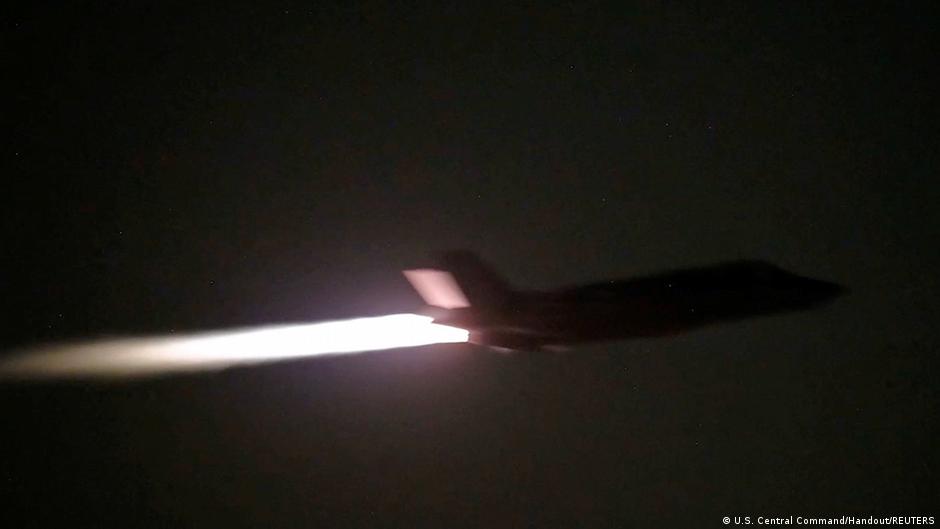
The United States Central Command (CENTCOM) has announced a new wave of airstrikes targeting multiple sites across Iran, marking the 11th consecutive night of military operations. These strikes, lasting approximately 75 minutes, commenced on the evening of July 21 Eastern Time (early hours of July 22 Central European Time).
Ongoing Military Operations and Regional Implications
CENTCOM reported successful completion of the latest round of attacks directed at Iranian military operations centers, naval assets, aviation hangars, drone storage facilities, and logistical infrastructure. The aim is to degrade Iran's ability to threaten commercial shipping in the strategically crucial Strait of Hormuz.
"Despite Iranian aggression, the Strait of Hormuz remains open to commercial vessels, with CENTCOM facilitating passage for approximately 900 commercial ships and the transport of 450 million barrels of crude oil since May," the US military statement noted.
However, London Stock Exchange data shows a significant reduction in traffic through the strait on July 18 and 19, with only eight and four vessels passing respectively, raising concerns over supply chain consistency in global oil markets.
The escalation follows Iranian missile and drone strikes on Camp Arifjan, a US military base in Kuwait, where Kuwait's air defenses reportedly intercepted several incoming projectiles. The Islamic Revolutionary Guard Corps (IRGC) declared the "sixth wave" of its Nasr 2 military operation, targeting US forces in Kuwait and Bahrain, though independent verification of attack outcomes remains unavailable.
These hostilities follow Iran's annulment of a June ceasefire framework with the US, announced on July 18, which had aimed to pave the way for a comprehensive peace agreement within 60 days. The subsequent cycle of retaliatory strikes and counterattacks has resulted in 17 US military fatalities since late February, including three during the current escalation.
Impacts on British and European Interests
Given London's role as a global financial hub and the UK’s vested interest in Middle East security, these developments carry potential ramifications for sterling and the broader European energy market. The Strait of Hormuz facilitates a significant portion of the world's oil exports, and any disruption could inflate energy costs and fuel market volatility.
The London markets have so far responded with caution, reflecting the uncertainty around supply routes and geopolitical risk. Investors and policymakers in the UK and EU are closely monitoring CENTCOM and regional developments, assessing the possible economic fallout, particularly regarding crude oil price fluctuations and their impact on inflation and trade balances.
Analysts highlight that while the US operations aim to secure safe passage for vessels, the persistent tensions underscore the fragility of global energy security. European energy diversification efforts and strategic reserves might face renewed scrutiny as policymakers prepare for potential disruptions.
London’s financial institutions, many of which have significant stakes in global shipping and energy sectors, are expected to factor these risks into their market strategies, potentially influencing sterling performance amidst broader geopolitical uncertainty.
As the conflict unfolds, UK and EU stakeholders continue to advocate for diplomatic solutions to stabilize the region and secure vital trade routes, emphasizing the importance of international cooperation to mitigate economic shocks stemming from military escalations in the Middle East.