Armenia’s Vote Recount Reflects Political Uncertainty Amid British and EU Market Watch
Armenia’s election vote recount affects key pro-Russian and pro-Western blocs, with implications for UK and EU interests and sterling market responses.
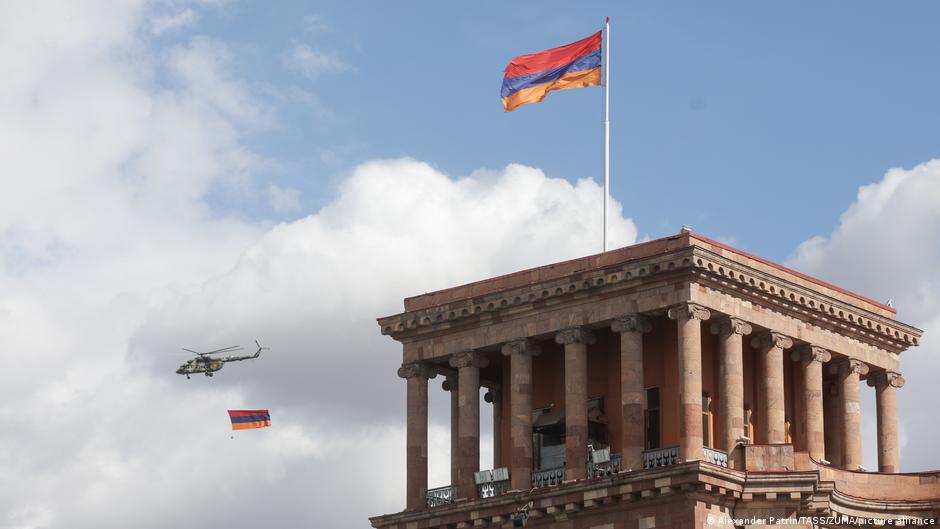
Following a request from the pro-Russian bloc “Strong Armenia,” Armenia’s Central Electoral Commission has completed a partial recount of votes cast in the June 7 parliamentary elections. The review covered 637 of the 2,005 polling stations nationwide, resulting in a modest increase in votes for several major parties.
Details of the Recount and Political Context
The Commission reported that the pro-Russian "Strong Armenia" bloc, led by Russian-Armenian billionaire Samvel Karapetyan, gained an additional 508 votes, bringing their total to 340,088. Meanwhile, the party "Prosperous Armenia," backed by businessman Gagik Tsarukyan, increased its tally by 147 votes to 58,378. The ruling "Civil Contract" party, headed by pro-Western Prime Minister Nikol Pashinyan, saw an increase of 1,148 votes, totaling 727,820. The opposition bloc "Armenia," led by former president Robert Kocharyan, added 217 votes, reaching 145,113.
The electoral commission also noted a rise in the number of overall discrepancies by 230, totaling 1,279, while invalid ballots decreased by 859 to 17,097. Results from three polling stations were invalidated on June 12. Final election results are expected to be confirmed by June 14.
“The Central Electoral Commission has finalized the recount, which confirms the initial vote distribution with minor changes,” the commission stated, underscoring the procedural response to allegations of irregularities.
The recount was initiated after the defeat of the pro-Russian "Strong Armenia" bloc, which contested the results alleging election violations. Its leader, Karapetyan, whose political activity has been restricted under home arrest on allegations of plotting a coup, dismissed the elections as "shameful." Authorities have also been investigating 59 cases of alleged electoral misconduct, including multiple voting incidents, resulting in at least nine detentions.
Implications for UK, EU and Sterling Markets
Armenia’s political developments are closely monitored by UK and European stakeholders due to the country’s strategic position at the crossroads of East and West. The election outcome, reaffirming Prime Minister Pashinyan’s pro-Western government, aligns with UK and EU interests that favour democratic stability and reform in the region.
Market observers in London have noted that while the recount reinforces Pashinyan’s mandate, the persistent tensions and challenges faced by pro-Russian factions could contribute to ongoing geopolitical uncertainty, which may influence regional investment climates and sterling’s position in emerging market portfolios.
The increased voter turnout of 58.97%, surpassing previous elections, signals heightened political engagement, which the UK and EU interpret as positive for democratic consolidation. However, the potential for political unrest connected to the opposition’s dissatisfaction remains a factor for risk assessment among European investors.
With Armenia balancing relations between Russia and the West, the UK’s diplomatic and economic engagement is likely to continue supporting reforms while monitoring electoral integrity. The recount process itself, conducted transparently despite challenges, offers reassurance that democratic mechanisms remain operational, a key consideration for business confidence in the region.
In summary, the vote recount in Armenia, while confirming the ruling party’s victory, reflects ongoing political tension with wider implications for British and European economic interests, regional stability, and sterling-linked investment strategies.