Austria Plans to Extend Mandatory Military Service Amid Rising Security Concerns
Vienna aims to increase conscription duration to nine months, reflecting heightened European security challenges affecting EU and UK interests.
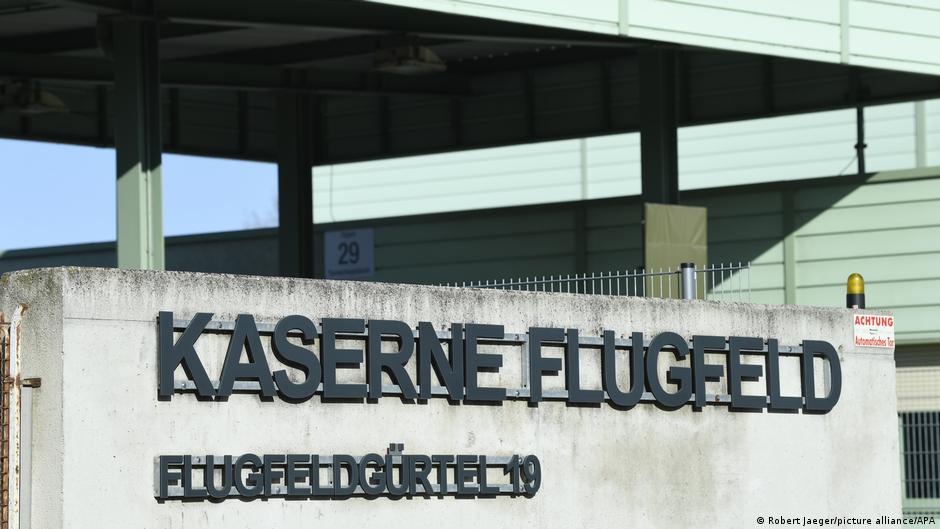
Austria has announced plans to extend its mandatory military service from six to nine months, a move driven by evolving security threats in Europe. The reform, agreed upon by the country's ruling coalition, introduces compulsory field exercises following the base training period and aims to enhance the readiness of Austrian forces amid geopolitical tensions.
Security Shifts Prompt Military Reform
The decision by Austria’s government comes as a direct response to the ongoing conflict in Ukraine, alongside growing concerns over cyberattacks, hybrid warfare, and risks to critical infrastructure. These challenges have underscored the need for more robust defence capabilities within Europe, which have implications for both the EU and the UK’s security landscape.
Austria, while maintaining its long-standing status as a militarily neutral country outside NATO, recognises the importance of bolstering its defensive posture. Chancellor Christian Strache remarked on the collapse of hopes for lasting peace in Europe following Russia’s aggression, stating that Vienna must strengthen its ability to defend itself effectively.
“It is insufficient to merely acquire new equipment if our soldiers lack sufficient practical experience using it in emergencies.”
The proposed amendments include a phased system where conscripts can complete compulsory field exercises at any time within ten years. To improve the attractiveness of military service, the government plans to introduce paid leave days and increase monthly compensation to €1,000.
Political Process and Implications for London Markets
The legislative package is currently awaiting parliamentary approval, requiring a two-thirds majority. Austria’s ruling coalition, comprising the Austrian People’s Party (ÖVP), the Social Democratic Party (SPÖ), and the liberal Neos party, is engaged in negotiations with the Freedom Party (FPÖ) and the Greens to secure this support. If passed, the reforms would take effect from January 1, 2027.
From a UK and European business perspective, Austria’s military reform illustrates a broader trend towards increased defence investment and preparedness across the continent. This shift is expected to drive demand for defence-related goods and services, potentially influencing markets in London and major EU financial centres.
Sterling and European equity markets may react to such geopolitical developments by factoring in increased government spending on security, which could affect investor sentiment and risk assessments. Companies involved in defence manufacturing, cyber security, and infrastructure protection stand to gain from this expansion in military commitments.
Furthermore, Austria’s approach to balancing neutrality with enhanced defence readiness highlights the complex security dynamics facing European states outside NATO, an aspect closely monitored by UK policymakers and businesses given the intertwined nature of continental and British security interests post-Brexit.
While the reform does not currently affect the nine-month civilian service, plans to allow voluntary extensions starting in 2027 and mandatory extensions from 2028 may also influence the labour market and public sector resource planning in Austria, indirectly impacting economic relations within the EU.