BBC Plans to Cut Nearly 10% of Staff Amid Industry Crisis and Revenue Challenges
The British broadcaster aims to reduce operating costs by £500 million over two years as it adapts to evolving media consumption and competition.
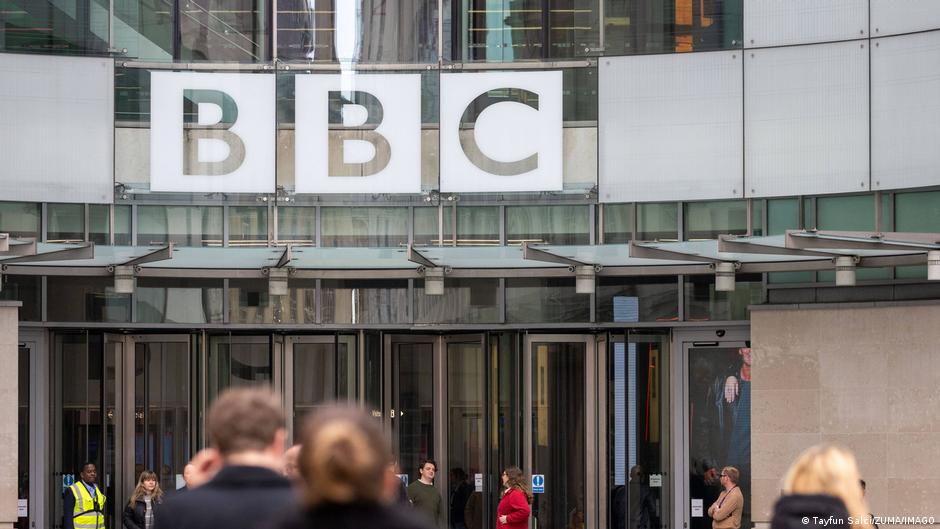
The British Broadcasting Corporation (BBC) is preparing to reduce its workforce by approximately 10% within the next two years, reflecting the significant pressures facing traditional media in the United Kingdom and Europe. According to reports from AFP dated April 15, the broadcaster intends to cut between 1,800 and 2,000 jobs as part of a strategic restructuring effort.
Financial Pressures and Industry Transformation
Roddy Talfan Davies, the BBC's Director-General, highlighted that the corporation is under "substantial financial pressure" and must cut operating expenses by around £500 million (€575 million). Most of these savings are expected to be realized during 2027-2028. The decision comes amid an industry-wide crisis driven by several factors, including a decline in revenue from the UK’s television licence fee and intensifying competition from global streaming services.
“BBC needs to accelerate its digital transformation and reallocate resources towards online platforms and new content formats,” said Davies in an AFP interview.
Since 2017, licence fee income—a primary funding source for the BBC—has dropped by 24%, reflecting changing viewer habits and demographic trends. This decline poses challenges not only for the BBC but also for the broader British media landscape, which is increasingly influenced by disruptive technologies such as artificial intelligence and on-demand content consumption.
Implications for British and European Business Interests
The BBC’s restructuring will have ripple effects across the UK’s media employment sector and may influence London's status as a global media hub. The broadcaster’s shift from traditional television and radio channels toward digital services—including its news apps and the streaming platform iPlayer—is a strategic response to the evolving market dynamics. This digital pivot aims to enhance the BBC’s competitiveness but also signals significant changes for content creators, suppliers, and related businesses within the capital and across Europe.
From a financial perspective, the planned cuts and operational shifts could affect investor sentiment towards media companies listed in London and the broader European market. As the BBC reallocates resources to online platforms, there may be increased opportunities for tech firms and digital service providers. However, the reduction in workforce might dampen consumer spending in media-related sectors, with potential knock-on effects on sterling if the sector’s contraction signals deeper economic vulnerabilities.
Moreover, the BBC’s challenges highlight the broader pressures facing publicly funded broadcasters across Europe, many of which are grappling with similar declines in traditional funding mechanisms amid competition from subscription-based streaming giants. The UK government and regulators may need to reconsider support frameworks to ensure the sustainability of public-interest media amid rapid digital transformation.
Looking Ahead
As the BBC moves forward with its cost-cutting and restructuring plans, stakeholders in the UK and European media industries will be closely watching the impact on content quality, innovation, and employment. The broadcaster’s ability to successfully navigate this transition will be critical to maintaining its role as a leading global media organization and to supporting the wider ecosystem of British and European content production.