Belgorod Reservoir Dries Up After Ukrainian Attacks, Impacting Regional Water Security
Following drone and missile strikes on the Belgorod reservoir dam, uncontrolled water discharge has significantly lowered water levels, raising concerns for UK and EU energy and trade interests.
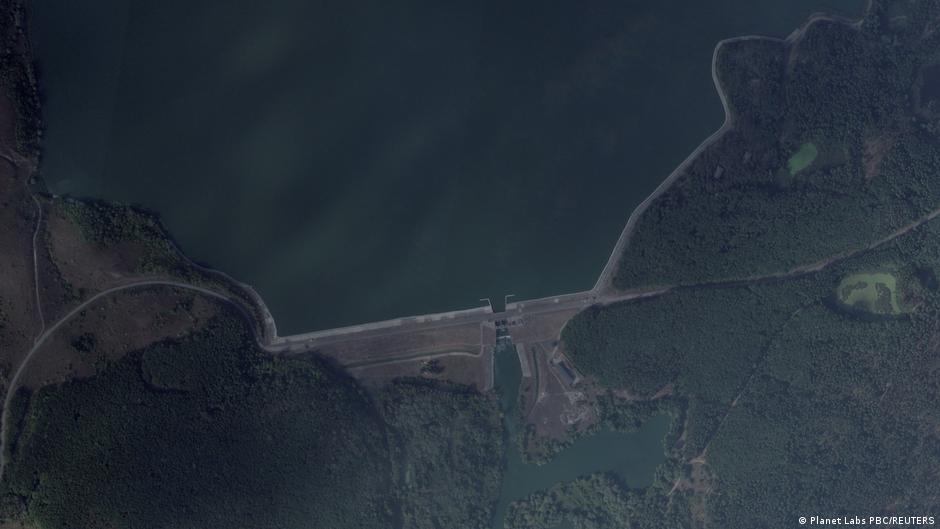
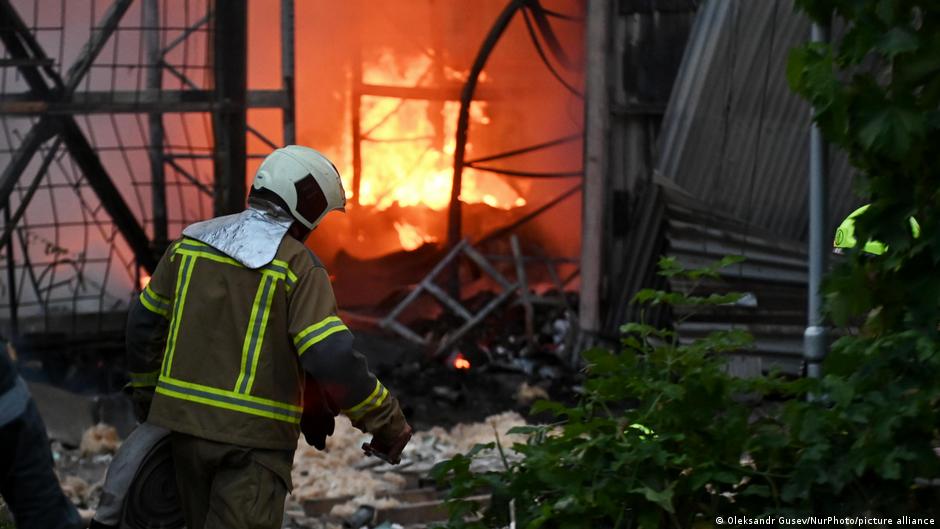
In July 2026, the Belgorod reservoir in Russia experienced a dramatic reduction in water levels after multiple missile and drone strikes by Ukrainian forces targeted its dam. The ensuing uncontrolled discharge caused water depths to fall drastically, with eyewitness reports indicating levels between 10 and 40 centimetres, far below normal.
Local sources confirmed that the uncontrolled water release was eventually halted by Belgorod regional authorities, preventing further depletion. However, the reservoir's water level has receded to the historic bed of the Seversky Donets River, a key waterway in the region.
Strategic Implications for UK and European Markets
While the immediate effects of the damage are local, the incident carries broader significance for UK and European business sectors. The Belgorod reservoir plays a role in regional water management that supports industrial activities, including energy production and agriculture, which are interconnected with supply chains extending into Europe.
Disruptions to water resources in this border area exacerbate energy and commodity volatility at a time when the UK and EU are monitoring geopolitical risks closely. The situation adds pressure to sterling and London financial markets, which are sensitive to fluctuations in commodity prices tied to energy and food production.
"The drying of the Belgorod reservoir underscores the fragility of cross-border infrastructure in conflict zones, highlighting risks that ripple into European economic stability," said an analyst specialising in Eastern European affairs.
Previous attacks on the Belgorod reservoir’s dam infrastructure date back to October 2025, when Ukrainian forces targeted hydro-technical facilities, causing initial damage and water release. The July 2026 strikes intensified the situation, sparking concerns over potential long-term environmental and economic damage.
UK and EU policymakers are closely watching the developments as they assess the impact on regional security and the resilience of critical infrastructure that affects trade routes and energy supplies.