French Protests Draw 320,000 as Arrests Reach 565 Nationwide
The third consecutive Saturday of unrest raises fresh concerns for businesses across France and its closely linked UK and EU markets.
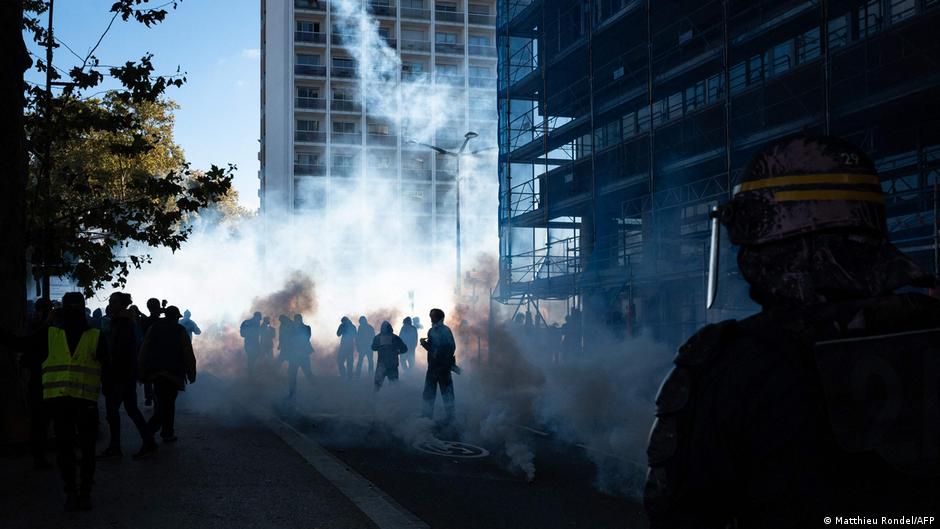
French authorities detained 565 people during a third consecutive Saturday of nationwide protests, as demonstrations over the cost of living, education and wider social problems again descended into clashes in several major cities.
The Interior Ministry said 320,000 people participated across France on Saturday, October 31, including 70,000 in Paris. Organisers put the nationwide turnout at almost 500,000. Although the official figure remained substantial, it marked a decline from the two previous Saturdays: authorities estimated that 550,000 people demonstrated on October 17 and 410,000 on October 24.
Interior Minister Laurent Nuñez said the demonstrations were largely peaceful but accused members of far-left groups of using what he described as “monstrous violence” against law enforcement officers. The government deployed 70,000 police officers across the country to maintain security.
Disruption adds to European business concerns
The unrest has a direct domestic focus, but its scale also matters to businesses in Britain and across the European Union. France is a major commercial partner for the UK and a central market within the EU, meaning repeated disruption in Paris and other regional centres is closely watched by companies exposed to French consumers, transport networks and urban retail activity.
The protests are rooted partly in dissatisfaction with the rising cost of living, an issue with implications for household spending and business confidence. For UK companies operating in France or trading with French partners, the falling attendance reported by authorities may offer some reassurance. However, continued arrests, security deployments and violent incidents underline the risk that disruption could persist even as headline participation declines.
The source material did not provide figures for sterling, the euro or London-listed shares, and therefore did not establish a specific market reaction. Nevertheless, investors in London would be likely to monitor whether the demonstrations remain episodic or begin to affect consumer activity, logistics and cross-border commerce more broadly. Any sustained deterioration in French business conditions could become relevant to companies with significant continental European revenues, while currency traders would assess the wider implications for confidence in the euro-area economy.
Clashes reported in Paris, Toulouse, Marseille and Lyon
In Paris, five police officers were injured during clashes with several hundred protesters, according to the authorities. Three were hurt by Molotov cocktails. One officer’s clothing caught fire, and he was diagnosed with a burn to his leg.
Protesters in the capital also threw paving stones and rocks at police, who responded with tear gas and batons. The violence contrasted with the Interior Ministry’s assessment that most demonstrations had passed peacefully.
Authorities said the protests were mostly peaceful, while blaming far-left groups for severe violence against police.
Police in Toulouse used water cannon and tear gas against participants in an unauthorised demonstration. In Marseille, an unauthorised march involving approximately 10,000 people later developed into confrontations with law enforcement officers. Clashes also occurred in Lyon, where police used tear gas against people involved in the disorder, according to France24.
Student movement broadens into wider discontent
The nationwide demonstrations began with protests by school pupils and university students in late September. Their initial complaints included teacher shortages, overcrowded classrooms, excessively long school days, ageing school buildings and a lack of modern equipment.
Young demonstrators also expressed anxiety about their futures, including difficulties gaining admission to universities. The movement subsequently attracted people angered by other social problems, broadening its agenda beyond education and increasing the potential impact on public life and commercial activity.
As the protests expanded, they increasingly developed into disorder. Previous incidents included burning rubbish containers and vehicles, serious confrontations with police, vandalism and looting. Such scenes can impose immediate costs on affected communities and businesses, even when the demonstrations do not produce a measurable nationwide economic effect.
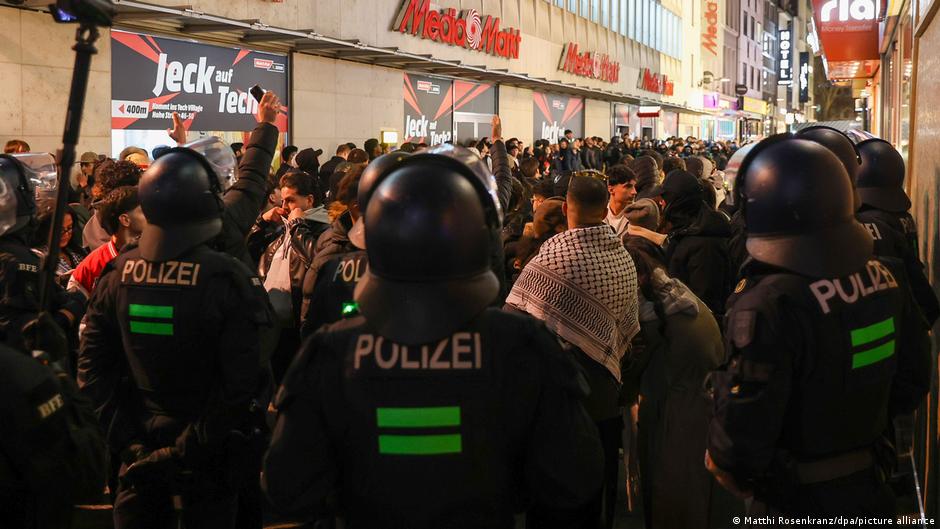
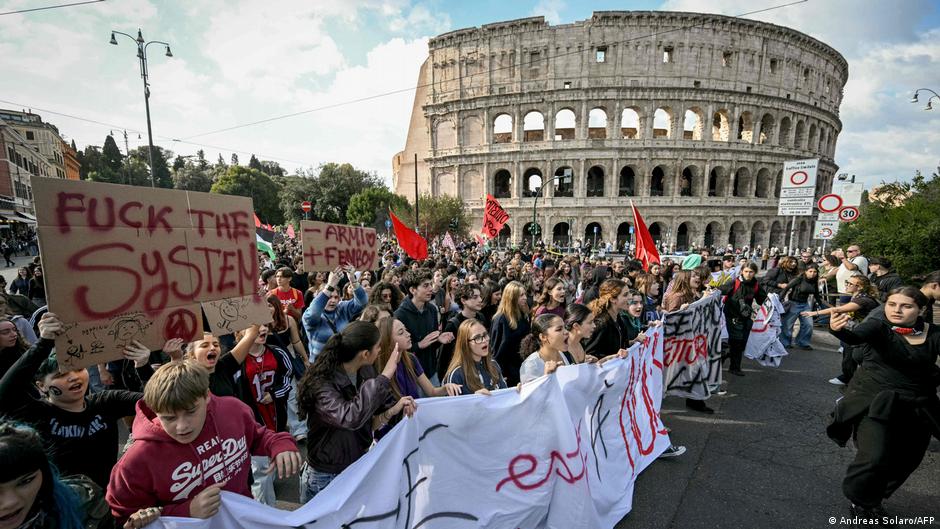
The French protests have also inspired young people elsewhere in Europe. Demonstrations have taken place in Italy, Germany and Belgium, showing how grievances concerning education, living standards and prospects for younger generations can cross national borders. Protests in major German cities on October 31 ended in disorder.
For European policymakers and companies, the regional spread is an important part of the story. France’s declining turnout suggests the movement may be losing momentum, but the continuing clashes and expansion of similar protests into other countries leave uncertainty over its duration. British businesses and London investors will be watching for evidence that the unrest is beginning to disrupt trade, travel or consumer demand beyond the cities where confrontations have occurred.