Trump Questions FBI Claim North Korea Stole $6.3bn From Binance
The dispute over attribution leaves British and European crypto firms assessing sanctions exposure, liquidity risks and potential market fallout.
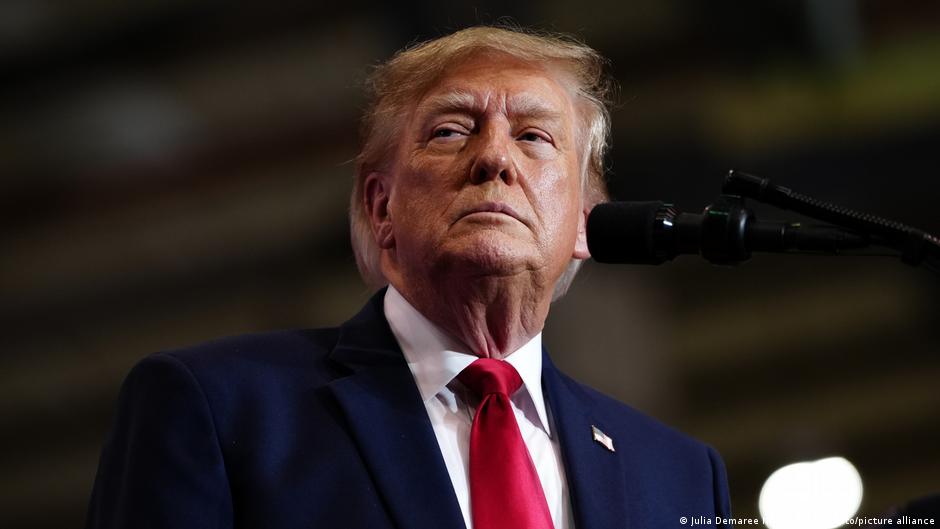
US President Donald Trump has questioned an FBI assessment that North Korean hackers were responsible for a cyberattack on Binance, the world’s largest cryptocurrency exchange, and the theft of about $6.3 billion in client assets.
The loss, equivalent to more than €5.6 billion, would rank as the largest theft of cryptoassets, according to the Russian-language source account. The scale of the incident is likely to command attention from British and European regulators, financial institutions and digital-asset businesses because Binance has more than 300 million registered users worldwide by various estimates.
“We do not know whether this is connected to North Korea,” Trump said.
Speaking to reporters at his Mar-a-Lago estate in Florida on November 1, Trump said US authorities were still examining the case. “We are finding that out now. We do not know whether this is connected to North Korea, but if it is, we will discuss this issue with North Korea,” the president said.
His remarks placed the White House at odds with the FBI’s public position a day earlier. On Saturday, October 31, the bureau said the October 29 theft had been carried out by North Korean hackers belonging to the TraderTraitor group.
European firms face sanctions and compliance questions
The FBI said members of TraderTraitor typically convert stolen funds into Ethereum, or ETH, before laundering the assets, including through instant cryptocurrency exchange services. It urged companies involved in cryptoasset transactions to block transfers connected to wallets associated with the group and published a list of those wallets in its press release.
For businesses operating in Britain and the European Union, the alert creates an immediate compliance issue even as Trump casts doubt on the attribution. Exchanges, custodians and other service providers must assess whether transactions touch wallets identified by US law enforcement, while also considering their own sanctions, anti-money-laundering and customer-protection obligations.
The potential exposure extends beyond specialist crypto companies. Banks and payment providers that supply sterling or euro access to digital-asset platforms may face closer scrutiny of transfers linked to instant-exchange services or Ethereum wallets. The source article did not report a direct move in sterling or provide a specific reaction from London-listed markets, so any immediate effect on the pound or UK equities remains unquantified.
Even without a reported sterling move, a theft of this size could affect British market sentiment by renewing concerns about operational security, platform reserves and the ability of exchanges to compensate customers after a major breach. For London investors, the central issue is whether the incident remains contained within Binance or prompts wider withdrawals, tighter banking controls or renewed regulatory pressure across the digital-asset sector.
Binance says 90% of stolen funds reimbursed
Binance said on October 31 that it had reimbursed customers for 90% of the funds stolen during the recent attack. According to the company’s statement, the exchange fully covered losses involving BTC, ETH, USDT, BNB, SOL, USDC, XRP, USD1, RLUSD and ZEC.
The remaining 10% consists of tokens outside the 10 largest assets, Binance said. Because those tokens have lower liquidity, purchasing enough of them to compensate customers in full will take more time, the platform explained.
That distinction is particularly relevant for European clients holding smaller tokens. Lower liquidity can make replacement purchases slower and potentially more disruptive than compensation involving heavily traded assets such as Bitcoin, Ethereum or major stablecoins. Binance did not provide a timetable in the source account for completing reimbursement of the remaining losses.
The company’s capacity to absorb the immediate impact will also be closely examined. Binance said in 2024 that it had more than $160 billion in assets under management. The reported $6.3 billion theft is substantial even against that figure, while the company’s claim that 90% has already been repaid may help limit concerns about near-term customer losses.
For UK and EU policymakers, however, reimbursement does not settle the wider questions raised by the breach. The conflicting statements from the FBI and Trump leave the attack’s state attribution politically contested, while the movement and laundering of the stolen assets could test cooperation among exchanges, banks and law-enforcement agencies across several jurisdictions.
London and European market participants will now be watching for evidence of transactions involving the listed TraderTraitor wallets, progress on the outstanding customer repayments and any additional findings from US authorities. Confirmation of North Korean involvement could bring a sharper sanctions dimension; a revised attribution would raise separate questions about the speed and certainty of the FBI’s initial announcement.