German Youth Protests Turn Violent, Raising Risks for European Business
Disorder across Germany’s largest cities underscores mounting pressure over living costs, public services and social spending in Europe.
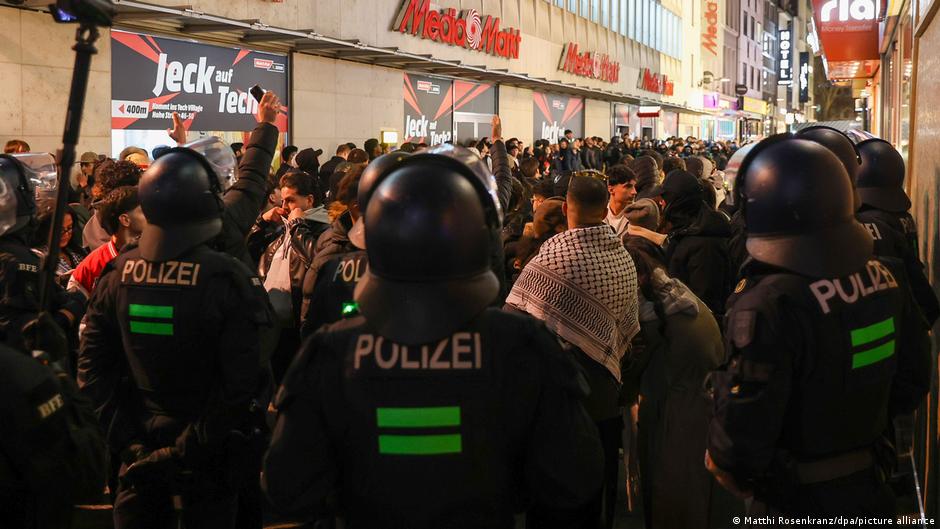
Youth-led demonstrations across Germany descended into disorder on Saturday, October 31, as violence in Frankfurt, Berlin, Cologne and other major cities raised fresh concerns about political stability and the business climate in Europe’s largest economy.
The protests were organised by Gen-Z regelt, or “Generation Z Decides,” and took place in more than 30 German cities. Organisers said more than 100,000 people participated nationwide. Their demands included better education, action against the rising cost of living, stronger climate protection and easier access to psychotherapy and addiction treatment. The movement also opposes compulsory military service and cuts to social spending.
For British and European businesses, the unrest places renewed attention on the economic pressures affecting younger consumers and workers across the continent. Germany is a crucial market for UK exporters and a central part of European supply chains, making sustained disruption there relevant to companies operating from London and throughout the EU.
The source reported no specific reaction in London equities, European shares or sterling following Saturday’s events. Any financial impact will therefore depend on whether the protests remain episodic or develop into a broader challenge involving transport, retail activity, public spending or investor confidence.
Frankfurt violence disrupts commercial centre
In Frankfurt, an initially peaceful demonstration involving between 8,000 and 9,000 people deteriorated into looting and attacks on police. Some participants smashed shop windows and threw Molotov cocktails at officers.
A group of aggressive protesters entered a gun shop as well as a branch of clothing and footwear retailer Snipes. Police confiscated two weapons from those who attacked the gun shop.
Hesse Interior Minister Roman Poseck said approximately 100 violence-prone left-wing extremists had been present among the demonstrators and were responsible for the disorder. Police checked the identities of roughly the same number of people, while more than 30 were detained.
Authorities brought the unrest under control closer to nightfall, deploying water cannon, armoured police vehicles, a helicopter and drones. Parts of Frankfurt city centre were closed during the operation, disrupting an important commercial and financial district.
“Those who behave like the offenders in central Frankfurt place themselves outside our society,” Hesse Premier Boris Rhein said.
Rhein said the authorities would carefully analyse the attackers’ actions, the composition of the offending groups and the sequence of events before drawing conclusions.
Arrests in Berlin and restrictions in Cologne
One of two large demonstrations in Berlin also turned violent. The event drew about 3,500 people, predominantly members of radical left-wing groups. Some protesters threw firecrackers and bottles towards police and launched fireworks. Authorities also reported property damage and violations of weapons legislation.
Police detained 56 people in the German capital, while 27 officers suffered minor injuries.
In Cologne, police prohibited demonstrators from holding a march but allowed a stationary gathering to proceed. The decision followed breaches involving face coverings and pyrotechnics, some of which were thrown at officers. Police used water cannon at the end of the event.
Disorder was also reported in Hamburg, where some protesters built and set fire to barricades before throwing bottles and stones at police. Demonstrations ended in similar circumstances in Stuttgart and Bremen.
European wave adds to corporate uncertainty
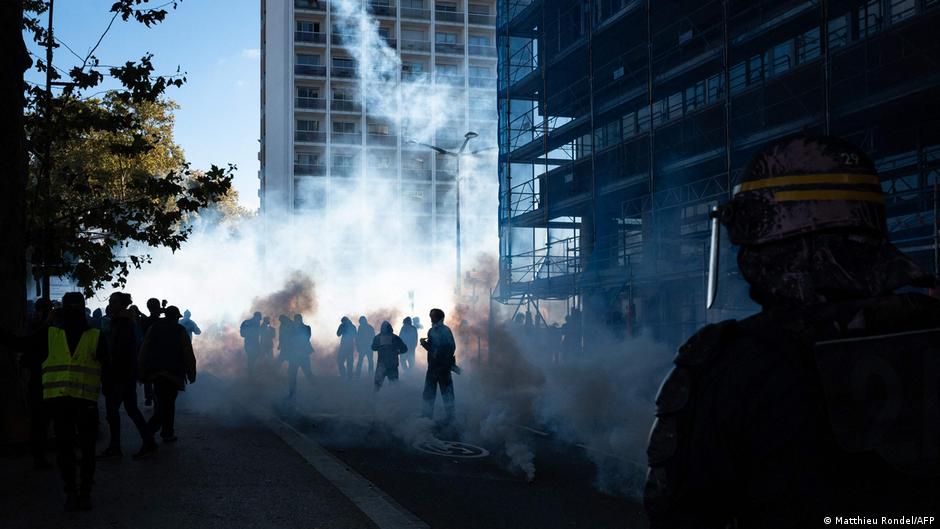
The German protests formed part of a wider wave of youth demonstrations that has spread across Europe in recent weeks. In France, protests in several cities developed into riots and confrontations with police, while Belgium has also experienced demonstrations.
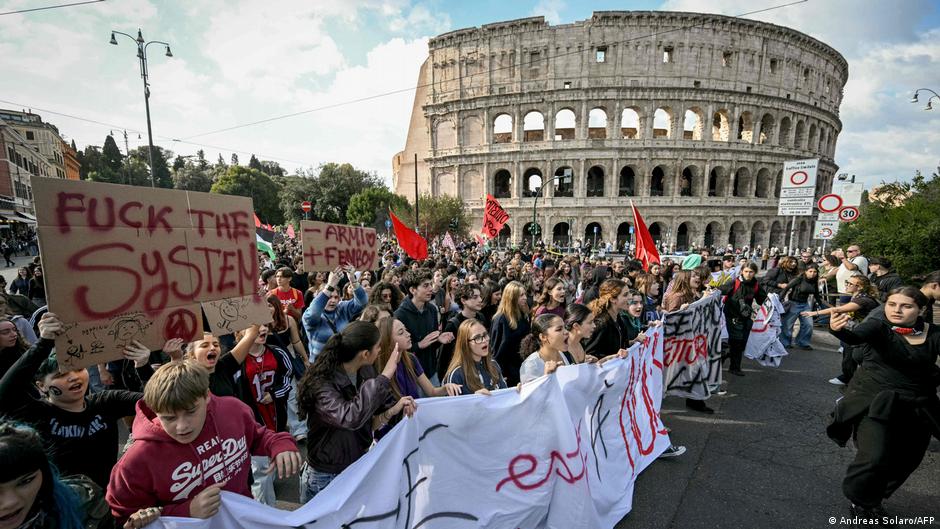
Italy faced particularly large protests on October 30, when organisers said more than one million people took to the streets. Following serious rioting in Milan, Italian authorities had previously ordered the deployment of 500 military personnel to help maintain order.
The movement’s focus on living costs, education, healthcare, climate policy and welfare budgets reflects issues with direct implications for European employers and governments. Measures addressing those demands could affect public finances, labour policy and consumer spending, while prolonged disorder could disrupt city-centre retailers and other businesses dependent on footfall.
British companies will be watching whether the unrest prompts policy changes in Germany or spreads further across the EU. London investors and currency traders are also likely to assess whether the protests remain chiefly a policing issue or begin to influence fiscal policy and the wider European growth outlook. With no confirmed sterling or London market move attributed to the demonstrations, the immediate significance lies in the risk of escalation across closely connected European economies.