Berlin Denies Plans to Replace Chancellor Merz Amid Political Speculation
Sources close to Germany’s Chancellor Friedrich Merz dismiss reports of early leadership change as baseless, stabilising EU political outlook.
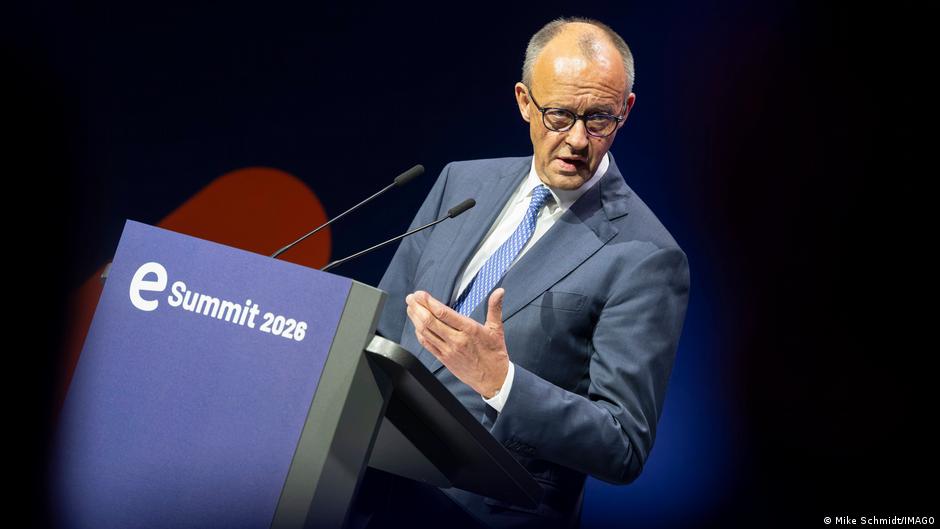
Amid swirling media reports suggesting internal discussions within Germany’s Christian Democratic Union (CDU) over Chancellor Friedrich Merz’s potential early replacement, sources close to the Chancellor have categorically denied such claims. These insiders labelled the rumours as "absurd speculations" and warned that they reflect a "dangerous tendency towards incitement" and a "striking ignorance of constitutional and political realities."
Implications for UK and European Markets
The denial of leadership instability in Berlin provides reassurance for the UK and European business communities, particularly in London, which closely monitors political developments in the EU’s largest economy. Chancellor Merz, a strong proponent of robust economic policies and transnational cooperation, plays a pivotal role in shaping Germany’s approach to inflation, energy security, and trade — key issues affecting sterling and European markets.
“Political stability in Berlin remains critical for sustained confidence across the European financial hubs, including London’s markets.”
Reports from German publications Stern and Bild had suggested that within the CDU, figures including North Rhine-Westphalia’s Prime Minister Hendrik Wüst, Bavaria’s Markus Söder, and parliamentary leader Jens Spahn were potential contenders for the chancellorship. However, such a transition would be constitutionally complex and politically fraught, requiring either an expedited election or a coalition-backed vote in the Bundestag — processes that could unsettle markets and investor sentiment.
The CDU’s rejection of these claims underscores a commitment to continuity, even as Chancellor Merz's government faces challenges. A recent May Deutschlandtrend poll showed a sharp decline in public approval, with 86% of Germans expressing dissatisfaction with the cabinet and Merz’s personal approval rating dropping to 16%, the lowest since he assumed office.
For British investors and policymakers, the stability of Germany’s leadership is particularly significant. Germany’s economic health directly impacts the UK’s exports, supply chains, and the broader European economic environment. Any political upheaval could introduce volatility to sterling and dampen cross-border investments.
As the UK navigates post-Brexit economic relationships, maintaining strong ties with a stable German government remains a strategic priority. London’s financial markets, sensitive to geopolitical shifts in the EU, will likely welcome the CDU’s firm stance against premature leadership changes.
In summary, while political dissent and public dissatisfaction pose challenges, the German chancellorship under Friedrich Merz is set to maintain its course, thereby supporting a steadier outlook for UK-European business engagements and market stability.


