Berlin Urges Turkey to Exclude Russian Gas in EU Energy Deals Amid Market Shifts
Germany insists EU-Turkey gas contracts should avoid Russian supplies as Ankara seeks to balance regional energy roles.
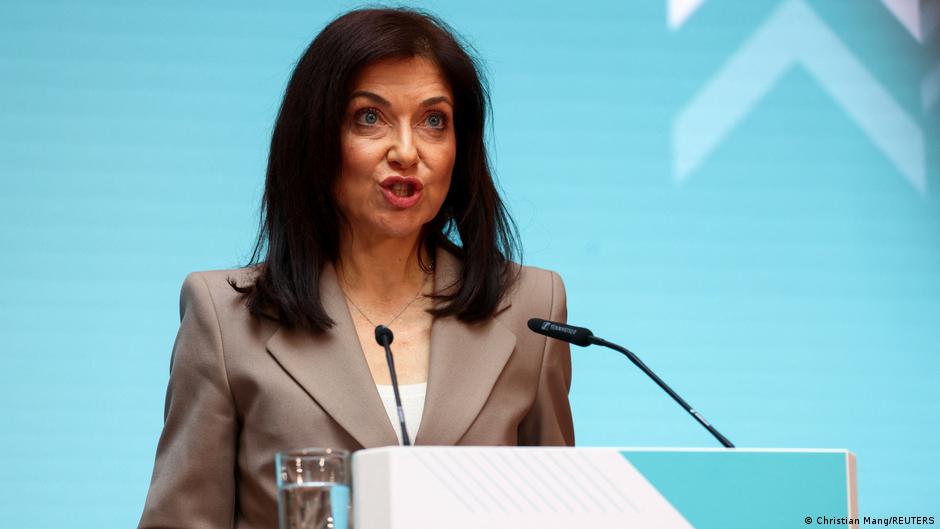
Germany’s Economy Minister Katherina Reiche emphasized during a visit to Ankara that the European Union will push for natural gas supplies to Turkey sourced outside Russia in any future energy agreements. This stance reflects broader EU efforts to curb dependence on Russian energy amid ongoing geopolitical tensions.
Reiche’s visit, accompanied by a German business delegation, underlined Berlin’s intention to align Turkey’s energy imports with EU policy priorities. “Brussels will insist on gas deliveries not coming from Russia within any future energy deals involving Turkey,” she stated on June 19, highlighting the EU’s firm position during talks with Turkish officials.
Turkey’s Strategic Role and EU Interests
Turkey holds a critical position as the EU’s fifth-largest trading partner. Reiche noted the importance of Turkey as a reliable commercial link and partner in advancing shared political goals, especially given the complex geopolitical landscape shaped by Russia’s war in Ukraine and conflicts involving the US, Israel, and Iran.
“We need Turkey as a reliable trading partner and for the achievement of common political objectives,” Reiche said, emphasizing the balanced nature of EU-Turkey trade relations.
As the second-largest importer of Russian gas, Turkey finds itself navigating delicate negotiations with Moscow to renew expiring supply contracts. Concurrently, Ankara aims to establish itself as a regional gas hub, a move that could influence energy flows across Europe and impact pricing and supply dynamics in the London market and beyond.
Reiche acknowledged Turkey’s understanding of the EU’s resolve to end reliance on Russian raw materials but also recognized the practical challenges Turkey faces. Turkish officials indicated that immediate substitution of Russian gas is not feasible from both economic and resource standpoints, reflecting the complex transition Turkey must manage.
Additionally, Turkey’s refineries have increased crude oil purchases from Iraq and Kazakhstan, a strategic shift following sanctions imposed by the US, EU, and UK against Russia’s oil sector. This diversification effort aligns with Western efforts to isolate Russia economically while maintaining stable energy supplies.
Implications for UK and European Energy Markets
The EU’s insistence on excluding Russian gas in partnerships with Turkey has direct relevance for British and European energy markets. London’s trading hubs, including the National Balancing Point (NBP), monitor such developments closely as shifts in supply sources can influence natural gas prices and contract negotiations across Europe.
For the UK, which seeks to strengthen energy security post-Brexit, fostering alternative supply routes and reinforcing connections with key partners like Turkey are critical components of long-term strategy. The EU’s policy stance further signals potential adjustments in pipeline usage and LNG imports, factors that will affect sterling’s sensitivity to energy market fluctuations.
As the EU and Turkey deepen dialogue on energy cooperation under these new parameters, market participants in London and across the continent will assess how these changes influence supply stability, pricing volatility, and broader geopolitical risk assessments.
Overall, Berlin’s message to Ankara encapsulates a significant pivot in European energy diplomacy, with reverberations for trade flows, currency markets, and the strategic calculus surrounding Russia’s role in regional energy supply chains.