Over 8.4 Million Ukrainians Living Abroad Highlights Migration Impact on UK and EU Markets
Ukraine’s population displacement figures reveal significant implications for British sterling and European economic stability.
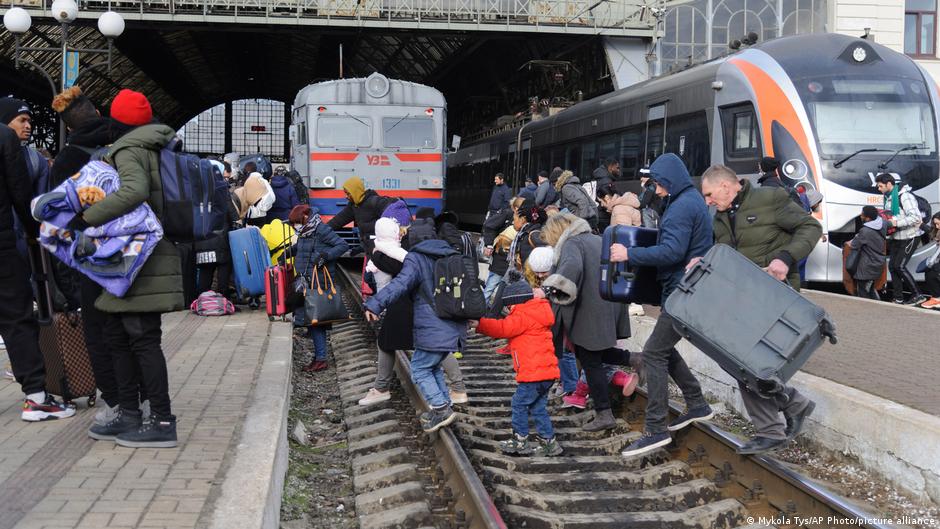
More than 8.4 million Ukrainian citizens currently reside outside their home country, according to Ukrainian Human Rights Ombudsman Dmytro Lubinets. This massive migration figure underscores ongoing demographic shifts with notable economic and social impacts across Europe, including the UK.
Recent data from the National Academy of Sciences of Ukraine estimates the population within Kyiv-controlled territories at 27 to 28 million, reflecting a substantial decrease from pre-war levels. Before Russia’s full-scale invasion, Ukraine’s population was over 41 million, not counting annexed and occupied regions.
Implications for British and European Interests
The displacement of millions of Ukrainians carries direct consequences for the UK and European Union. The British economy, financial markets, and sterling exchange rates remain sensitive to geopolitical stability in Eastern Europe. London’s role as a financial hub and as an asylum destination intersects with this population shift, influencing labor markets and public services.
"Our duty is to ensure every Ukrainian abroad knows their rights are protected and that Ukraine remembers them," emphasized Ombudsman Lubinets.
The European Commission’s statistics agency, Eurostat, reported that as of July 2026, approximately 4.38 million Ukrainians are under temporary protection across the EU. Germany hosts the largest number at 1.283 million, followed by Poland with 967,500 and Spain with 267,400.
These migration flows have pressured EU member states to adapt immigration, social welfare, and labor policies, while creating ripple effects for trade and investment. The UK, although no longer an EU member, remains closely linked to European markets and financial systems, with sterling fluctuating in response to developments in the Ukraine crisis.
The UK government and financial institutions monitor these demographic changes, as remittance flows, labor supply, and consumer demand from Ukrainian communities influence sectors ranging from real estate to retail banking.
Ukrainian official data publication has become irregular since the conflict escalated. State Statistics Head Arsen Makarchuk noted in March 2026 that accurate population counts would only be feasible 1.5 to 2 years after the war’s end. Meanwhile, humanitarian concerns persist: thousands of Ukrainians remain detained in Russia, and over 20,000 Ukrainian children have reportedly been forcibly relocated.
The ongoing war-driven displacement continues to shape regional demographics, economic forecasts, and financial market sentiment in ways that the UK and EU must navigate carefully to maintain stability and foster recovery.