Cyberattacks Disrupt Public Alert Apps in Ukraine and Russia
False nuclear and radiation warnings highlight infrastructure risks for European businesses, while sterling and London markets show no cited reaction.
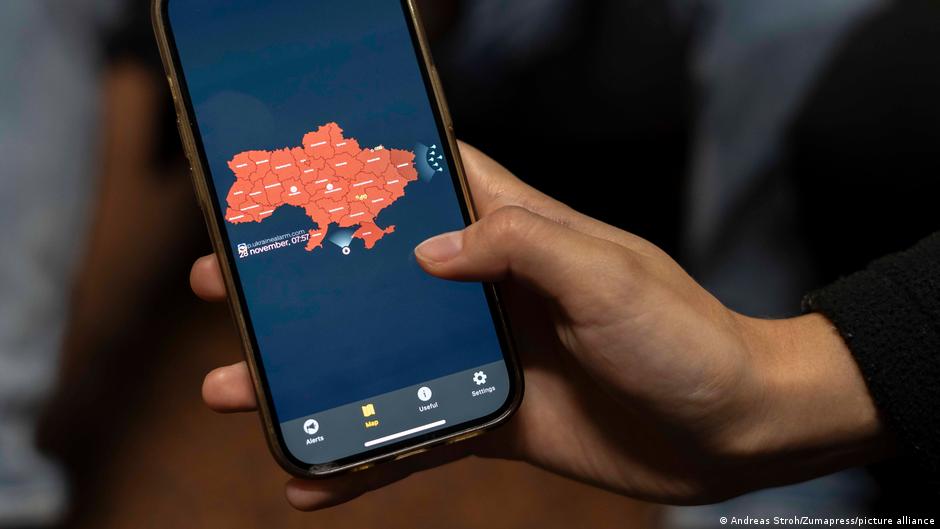
Government-linked public warning applications in Ukraine and Russia were disrupted by cyberattacks that sent users false alerts about radiation, chemical hazards and nuclear weapons, according to officials and developers in both countries.
The incidents underline the continuing cyber risks facing essential digital infrastructure on Europe’s eastern flank. For British and European companies operating in the region, the breaches also highlight the need to verify emergency information through multiple official channels and to maintain contingency plans for communications failures.
No impact on sterling or specific reaction in London or other European financial markets was reported in connection with the attacks. Nevertheless, false warnings involving nuclear or radiological threats have the potential to unsettle employees, interrupt business operations and create short-lived volatility if they are mistaken for genuine emergencies.
Ukraine app suspended after false alerts
Ukraine’s official Air Alert application, which is used to warn the public about threats, came under cyberattack on the evening of Sunday, November 1. Users began receiving false messages about radiation and chemical dangers, as well as notifications warning of possible street fighting in Kyiv.
The Ukrainian Air Force was among the first official bodies to respond. It said the application had probably been subjected to “hostile interference” and stressed that there was “no radiation threat.”
Ukraine’s emergency authorities said the nationwide public warning system continued to operate normally despite the compromise of the mobile application.
The State Emergency Service of Ukraine said all genuine threat signals were still being transmitted to regional administrations and street-based warning systems. That distinction is important for companies and residents relying on a combination of mobile notifications, local sirens and official government communications.
The application’s developers later confirmed that the service had been breached. They said unauthorised individuals had interfered with its operation, prompting the team to disable push notifications and temporarily suspend the application. Users were urged not to follow links contained in suspicious notifications.
During the night of November 2, the development team reported that the service was being restored gradually following the cyberattack. Users began receiving air-raid notifications again, although some functions remained temporarily unavailable.
The developers also said the application does not store users’ personal data and that additional cybersecurity measures were being introduced. The absence of stored personal information may limit one area of concern, but the attack demonstrated how the integrity of alerts themselves can become a target even when an application is not designed as a repository of sensitive user records.
Russian ministry reports parallel attack
Russia’s Emergency Situations Ministry reported a hacker attack at almost the same time. The ministry said its mobile application had been subjected to a “massive cyberattack” that allowed attackers to distribute false information claiming that nuclear warheads had been launched towards Russia.
The ministry said specialists were working to address the vulnerability and restore the service to normal operation. The Russian statement did not provide further technical details about the breach or identify those responsible.
The near-simultaneous disruption of official alert services in the two countries adds to concerns about the resilience of public communications during periods of heightened security risk. The reported incidents involved separate applications, and the statements described attacks in both jurisdictions, but no evidence was presented establishing a common perpetrator or a direct technical link between them.
Operational implications for UK and EU companies
For UK and European businesses with staff, suppliers or logistics networks in Ukraine or Russia, the immediate lesson is operational rather than financial. Emergency applications can provide critical information, but the incidents show that individual digital channels may be compromised or temporarily disabled.
Companies may therefore need to ensure that local teams can cross-check mobile alerts against national emergency agencies, regional administrations and physical warning systems. Suspicious links in emergency notifications also represent a potential route for further compromise, reinforcing the developers’ warning that users should avoid opening links from questionable messages.
The attacks did not produce any reported disruption to the nationwide Ukrainian warning system, and Ukraine’s authorities said established regional and street-level channels remained functional. The Ukrainian application also began a gradual recovery within hours, while Russian specialists worked to repair their ministry’s service.
With no market figures or currency movements cited, it would be premature to attribute any change in sterling or London-listed securities to the incidents. Their significance for British and EU investors lies instead in the broader exposure of businesses to cyber-enabled misinformation, employee safety concerns and communications outages in markets affected by geopolitical tension.