US Pushes Russian Gas Transit Plan as Europe Weighs Energy Risks
Washington’s proposal could lower European energy costs but conflicts with EU plans to end Russian gas imports and raises new risks for Britain.
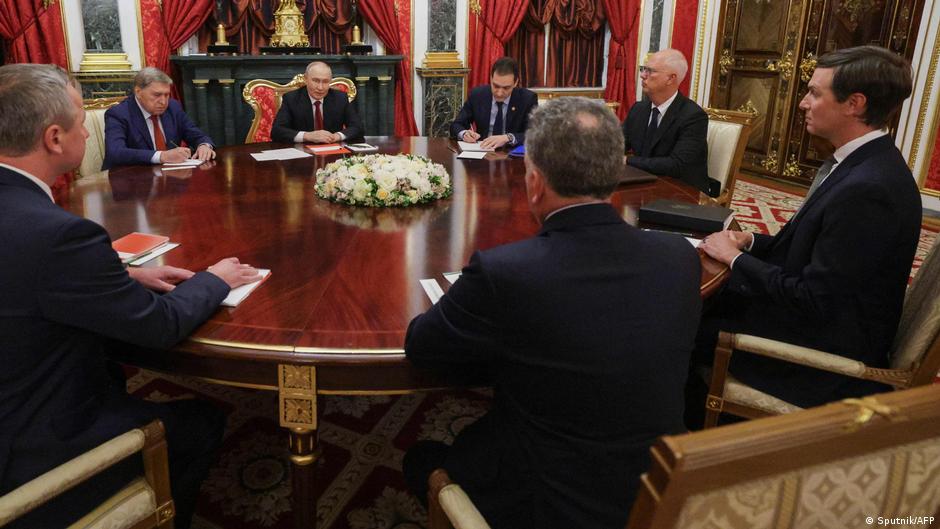
The United States is pressing for a rapid resumption of Russian natural gas supplies to Europe through Ukraine as part of negotiations on an energy truce between Moscow and Kyiv, according to the Wall Street Journal, citing US, European and Ukrainian officials.
The proposal could have significant consequences for European energy prices, industrial costs and investor sentiment. For Britain, which is outside the European Union but remains closely connected to continental gas markets, any sustained shift in wholesale prices could feed into inflation expectations, the outlook for sterling and valuations across London-listed energy and manufacturing companies.
US negotiators Jared Kushner and Steve Witkoff discussed the idea during visits to Moscow and Kyiv in September, the newspaper reported. The plan envisages Russian gas being sold through an American intermediary, a structure expected to circumvent European sanctions while creating potentially profitable opportunities for US investors.
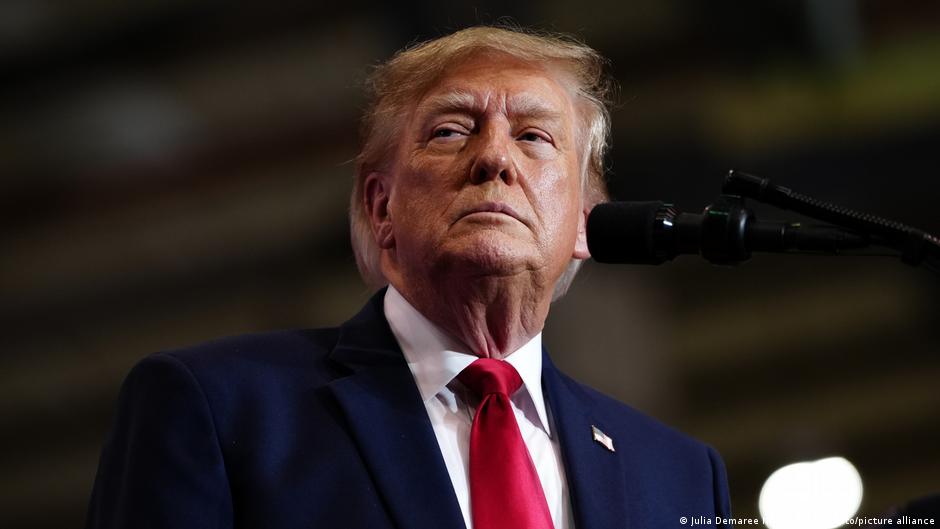
Washington is seeking a comprehensive agreement to halt attacks on energy infrastructure before three-way talks involving the United States, Russia and Ukraine, scheduled to take place in Abu Dhabi in November. The administration of President Donald Trump expects European resistance to the initiative may ultimately prove less severe than governments have suggested publicly, according to the officials cited.
European policy faces a direct challenge
The initiative would test the EU’s commitment to reducing its exposure to Russian energy. Current European legislation provides for a phased end to Russian gas imports by the close of 2027, while leaders of the bloc’s largest economies have repeatedly said they do not want to restore their former dependence on Russian supplies.
Russian gas now accounts for about 11% of European consumption, compared with 45% immediately before Russia’s full-scale invasion of Ukraine. At the same time, liquefied natural gas supplied by the United States provides roughly 30% of Europe’s current gas consumption.
That shift has become central to Europe’s energy-security strategy. A return of pipeline gas through Ukraine could offer additional supply and potentially ease pressure on prices, but it could also weaken the commercial case for alternative infrastructure and complicate the EU’s attempt to maintain a unified policy towards Moscow.
The central trade-off for Europe is between possible relief from elevated energy costs and the strategic risk of rebuilding dependence on Russian supplies.
Some European officials have sharply criticised the proposal in private conversations, according to the report. The US administration nevertheless believes that high energy prices and concerns about security of supply could make European governments more receptive to such an arrangement.
Implications for Britain and London markets
The UK would not be directly bound by an EU decision on the proposal, but British gas and electricity prices are linked to conditions across north-western Europe through trading and pipeline connections. Any increase in continental supply could therefore affect UK wholesale markets, although the report did not identify a specific price move or immediate reaction among London-listed shares.
Lower and more stable energy costs would generally ease pressure on energy-intensive British businesses and household bills. They could also reduce one source of inflation risk, an outcome that would matter for expectations around Bank of England policy and sterling. Conversely, renewed political tension over sanctions or an unreliable transit arrangement could add another risk premium to European energy markets and weigh on confidence.
London investors would also have to assess the uneven sector effects. Businesses exposed to industrial demand could benefit from cheaper energy, while gas producers, LNG suppliers and infrastructure operators might face a changed pricing environment if substantial Russian pipeline volumes returned. The scale of any impact would depend on the terms, duration and actual volumes of a future agreement, none of which were specified.
Revenue mechanism intended to restrict military use
US officials view Russia’s return to the European gas market as a possible additional incentive for Russian President Vladimir Putin to support an energy truce. Ukraine, meanwhile, could receive renewed transit revenue from gas transported across its territory.
One US official said the White House had also proposed placing proceeds from Russian gas sales to Europe into a special account in a third jurisdiction. The mechanism would be intended to limit the use of that money for military purposes.
The structure would still face difficult legal and political questions. European governments would need to reconcile any transaction with sanctions, the bloc’s 2027 timetable and commitments to diversify supply. Ukraine would also have to weigh transit income against the broader security implications of restoring a major Russian export route.
For UK and European markets, the proposal introduces a fresh source of uncertainty rather than an immediate change in supply. Its financial significance will depend on whether Washington can overcome European resistance and convert the energy-truce talks into an enforceable arrangement acceptable to Kyiv, Moscow and the countries expected to purchase the gas.