Drone and Missile Attacks in Ukraine Impact Residential Areas Amid Rising Tensions
Russian drone strikes damage homes in Odessa and missile attacks hit Dnipro, causing injuries and fires amid ongoing conflict.
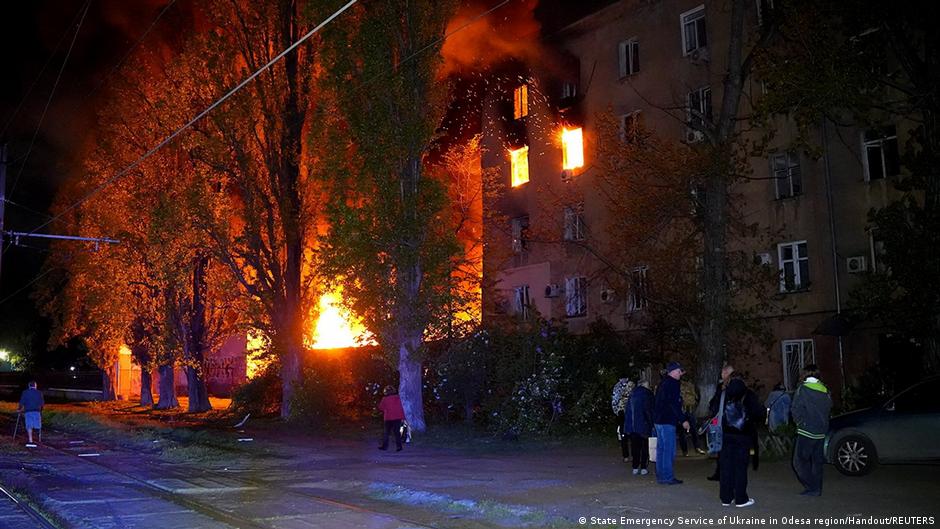
Recent attacks involving Russian unmanned aerial vehicles (UAVs) and missile strikes have caused damage to residential buildings and injuries to civilians in the Ukrainian cities of Odessa and Dnipro. The incidents come as tensions in the region continue to affect security and stability, with implications for European energy markets and international business confidence.
Impact on Ukrainian Cities and Civilian Populations
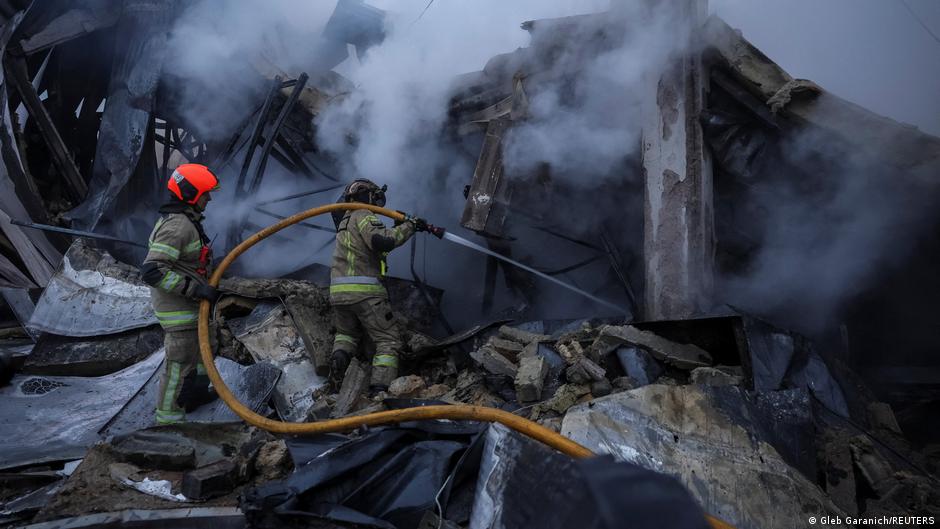
In Odessa, drone strikes by Russian forces on the night of May 18 resulted in damage to residential properties, including a lyceum and a kindergarten, with two civilians injured—a 11-year-old boy and a 59-year-old man. Emergency response teams and municipal services have been deployed to assist and mitigate the damage.
"Emergency and communal services are actively working to address the consequences of the drone attacks," stated the head of the Odessa city military administration.
Simultaneously, missile attacks targeted the city of Dnipro, leading to injuries of nine people and multiple fires, including a blaze on the roof of a 24-story residential building. Among the injured are four individuals hospitalized with moderate injuries and five others, including a 10-year-old boy, receiving outpatient care.
Local authorities reported that rockets struck a residential area, resulting in blocked access to some buildings, complicating rescue efforts. The attacks underscore the ongoing humanitarian risks civilians face amid the conflict.
Implications for UK and European Business and Markets
The escalation of military activities in Ukraine continues to create uncertainty for European markets, with potential ripple effects on supply chains, energy prices, and investor sentiment. London, as a major financial hub, closely monitors developments in the region, given the UK's strategic interests in European stability and energy security.
Heightened conflict risks may contribute to volatility in the sterling exchange rate and European equities, particularly in sectors linked to energy and defense. Businesses with exposure to Ukraine or reliant on stable energy supplies are likely to reassess risk and operational strategies.
Moreover, the ongoing hostilities emphasize the importance of continued diplomatic engagement and support for Ukraine from the UK and European Union, both to mitigate humanitarian crises and to safeguard economic interests.