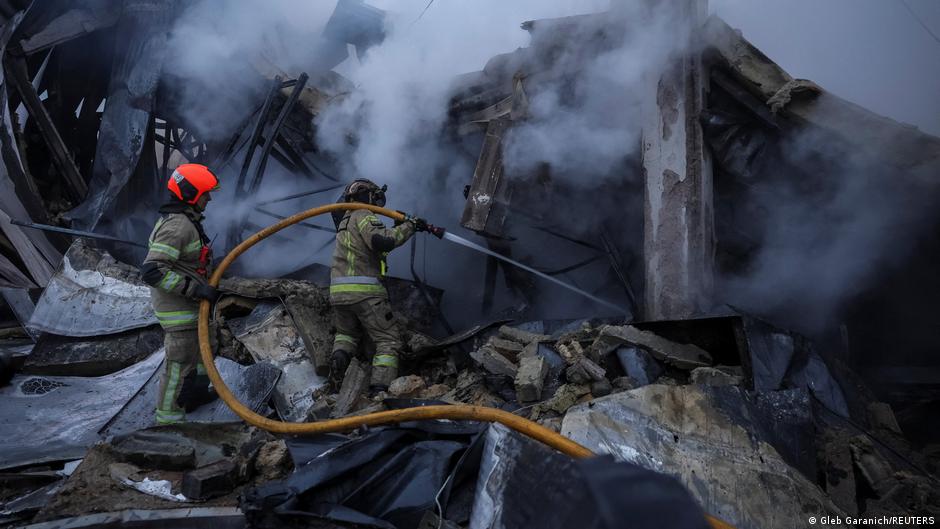
Drone Attacks Ignite Fires at Russian Oil Facilities Amid Rising Regional Tensions
Recent drone strikes in Russia’s Rostov and Saratov regions have sparked fires at key oil storage and refining sites, raising concerns over supply chain disruptions impacting energy markets.
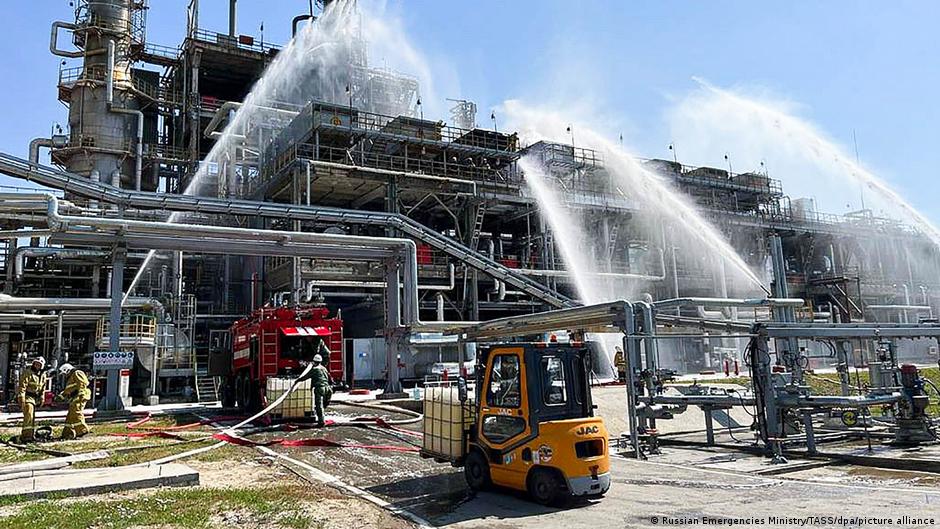
In the early hours of Sunday, May 31, a drone strike ignited a fire at an oil storage facility in Russia's Rostov region, local authorities confirmed. The incident comes amid escalating regional tensions and has sparked concerns about the stability of energy supplies that could indirectly influence European markets.
Impact on Russian Oil Infrastructure and Market Reactions
The governor of the Rostov region, Yuri Slyusar, reported via his Telegram channel that the fire broke out in the Matveyev-Kurgan district at a private fuel storage facility servicing agricultural producers. Emergency services responded promptly, deploying a firefighting train and evacuating residents from nearby homes to ensure safety. Fortunately, no casualties have been reported.
"Residents of nearby private homes have been evacuated for safety. There is no threat to human life. Emergency services are actively working at the scene," Slyusar stated.
Additional damage was reported in the town, including harm to a pharmacy, two shops, and a vehicle due to falling drone debris. Meanwhile, Ukrainian OSINT channels have indicated that the strike targeted a local oil depot, sharing video footage purportedly showing the subsequent fire and an unusual ‘oil rain’ phenomenon reported by eyewitnesses.
Further complicating the situation, the Saratov region also sustained damage from a separate drone attack targeting the Saratov Oil Refinery, a crucial node in Russia's energy infrastructure. Governor Roman Busargin confirmed damage to civilian infrastructure but noted no injuries. OSINT reports and local footage suggest the refinery experienced significant fire damage, with this site having been targeted multiple times in prior incidents.
These assaults on oil infrastructure come at a time when European energy markets remain highly sensitive to supply interruptions stemming from geopolitical conflicts. The British pound and London-based commodity markets have shown cautious responses, reflecting concerns over potential ripple effects in energy pricing and supply chains.
Given the UK's ongoing energy security strategies and its interconnectedness with European energy networks, developments in Russian oil facilities bear watching closely. While direct impacts to UK fuel supplies remain indirect, disruptions in Russian oil output can influence global crude prices and subsequently affect European energy costs, including those in the UK.
Market analysts emphasize the importance of tracking such regional conflicts as they underscore vulnerabilities in critical energy infrastructure and the broader geopolitical risks that may sway sterling and London market performance.